Choosing better golf equipment is not about buying the most expensive clubs. It is about finding tools that suit your swing, body, and usual course conditions. The National Golf Foundation reported that 26.6 million Americans played on-course golf in 2023. With so many players, equipment choices can feel crowded. A club that works for one golfer may feel awkward in another’s hands.
That is why how to improve your golf game with the right equipment starts with an honest look at your own game. The USGA and The R&A’s 2023 Distance Report tracks changes in hitting distance and examines the forces behind them. Distance matters, but it is only one part of performance. Shaft flex, clubhead design, grip size, ball choice, and a proper fitting can all affect feel and consistency. A launch-monitor session can reveal useful details, such as a slice caused by an open clubface or a driver that launches too low. Still, numbers do not explain everything. Comfort matters too.
Legendary instructor Harvey Penick’s advice, “Take dead aim,” offers a useful test for every purchase: does this piece of equipment help you make the shot you intend? The quote is not a promise that new gear will fix your swing. It is a reminder to choose with purpose. Start with the clubs you use most, then seek advice from a qualified fitter or PGA professional. Keep what helps. Question what does not. Even a well-fitted club cannot replace practice, and that is easy to forget.
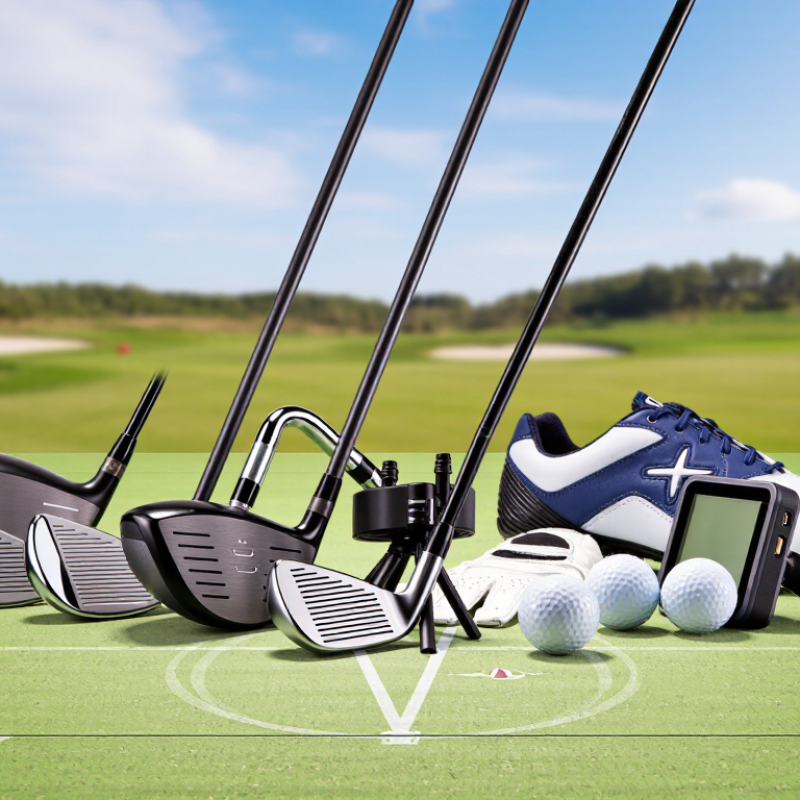
Core golf equipment affects how consistently a player can turn a swing into distance, direction, and control. The USGA and R&A’s 2020 Distance Insights Report found that PGA Tour average driving distance rose by about 1.2 yards per year from 2003 to 2018. The report also cautioned that equipment was only one factor; athletic ability and course conditions mattered. Better gear helps, but it cannot repair every swing.
A driver with a suitable shaft and loft can make launch and contact more predictable. Irons should match a player’s speed and strike pattern; otherwise, even a clean-looking set may leave long gaps between clubs. Wedges help control short shots, while a putter’s length and grip can influence setup on a slick green. A properly fitted ball also matters: its flight and feel should suit the player’s swing, not just look impressive on a package. Small details matter. Feel counts, too.
Tips: Test clubs using your usual swing, not a forced “perfect” one. Check carry distances with each club, and note where shots miss. A fitting session can reveal useful patterns, though numbers alone do not always capture comfort. If a club fits the chart but feels awkward at address, reconsider it.
| Equipment | Primary Role | How It Can Support Performance | What to Consider When Choosing | Care and Use Tip |
|---|---|---|---|---|
| Driver | Used mainly for long tee shots, particularly on par-4 and par-5 holes. | A suitable head design, shaft, and loft can help a golfer launch the ball effectively and find a more consistent tee-shot pattern. | Consider loft, shaft flex, club length, and how the club performs during a fitting. A higher loft can help some golfers launch the ball more easily. | Clean the clubface after play and use a tee height that lets the ball sit slightly above the crown at address. |
| Fairway Woods and Hybrids | Provide options for long shots from the tee, fairway, or light rough. | These clubs can fill distance gaps between a driver and shorter clubs. Hybrids often offer a more forgiving alternative to long irons. | Choose club lofts that create useful distance gaps in your set, and test the clubs from the lies where you expect to use them. | Keep grooves and the clubface clean, especially after shots from grass or sand. |
| Irons | Used for approach shots and other controlled shots from the fairway or rough. | Consistent iron distances and directional control can help golfers reach greens and choose safer targets. | Compare carry distances, feel, sole design, and forgiveness. A club fitting can help match shaft and lie specifications to your swing. | Record carry distances for each iron rather than relying only on total distance, which can vary with ground conditions. |
| Wedges | Designed for shorter approach shots, pitches, chips, and bunker play. | Different lofts and sole designs provide options for controlling trajectory and handling varied lies around the green. | Check loft spacing within your set and consider the turf and bunker conditions you commonly play. Bounce and sole shape affect how the club interacts with the ground. | Clean the grooves regularly; grass, dirt, and debris can interfere with consistent contact. |
| Putter | Used for rolling the ball on the putting green. | A comfortable setup and consistent stroke can help with both distance control and starting the ball on the intended line. | Try different head shapes, lengths, and alignment features. Choose a putter that allows a balanced posture and repeatable contact. | Practice pace control from several distances and keep the face free of dirt and moisture. |
| Golf Balls | Designed to be struck with every club, from tee shots to putts. | Ball construction and cover characteristics influence feel, launch, spin, and durability; the effects depend on the player and the shot. | Consider feel around the greens, performance with full shots, and durability. Use one model consistently when comparing results. | Replace balls that are cut or visibly damaged, and identify your ball clearly before play. |
| Golf Shoes | Provide footing and comfort while walking and swinging. | Secure, comfortable footwear can support balance and stability during the swing, particularly on uneven or wet ground. | Look for a comfortable fit, suitable traction for course conditions, and support for walking the full round. | Clean the outsole after rounds and allow shoes to dry naturally before storing them. |
| Golf Glove | Helps maintain a comfortable grip, usually on the lead hand. | A properly fitted glove can reduce slipping and help the golfer hold the club with a relaxed, consistent grip. | Choose a snug fit without excess material at the fingertips or palm, and select a material suited to the weather and feel you prefer. | Let the glove dry flat after use and replace it when the palm becomes smooth, stretched, or worn. |
| Golf Tees | Support the ball for tee shots when the rules allow a tee. | Consistent tee height can make setup and ball position more repeatable, particularly with a driver. | Use a length that suits the club and allows a consistent ball height; shorter tees are commonly used with irons. | Carry a few spare tees and follow local course guidance on tee materials and use. |
| Rangefinder or GPS Device | Provides distance information to help with club and target selection. | Reliable yardage information can support more informed decisions about layups, hazards, and approach shots. | Choose a device that is easy to read and use. Check course mapping and follow the Rules of Golf and local rules regarding permitted features. | Charge the device before a round and confirm distance units and target settings. |
Suitable equipment can make launch, contact, distance, and direction more predictable. It cannot repair every swing.
Match the shaft and loft to your swing. Test with your usual motion, not a forced “perfect” swing.
Irons should suit your speed and strike pattern. A poor match can leave large distance gaps between clubs.
Wedges help with short shots, while putter length and grip can influence setup. Choose a ball for its flight and feel.
Consider height, wrist-to-floor measurement, grip size, and typical ball flight. Check strike location and comfort, not distance alone.
Look for slick patches or cracks. Worn grips may make you squeeze harder than needed.
Wipe clubfaces after each round and dry grips before storage. Check for loose parts or visible damage, and keep clubs dry.
Test one change at a time and note ball flight and contact. It is easy to chase distance and overlook comfort. I would check that again.
The right golf equipment can make each part of your game feel more reliable, from the first tee shot to the final putt. Clubs should suit the shot you need to play and your current skill level: a balanced set can help beginners build confidence, while experienced golfers may choose clubs that offer greater precision. Golf balls also affect performance. Consider how distance, spin, and control fit your playing style and the conditions you commonly face.
Comfort and consistency matter too. Useful accessories, such as a glove, suitable footwear, and a towel, can help you stay comfortable and focused throughout a round. For how to improve your golf game with the right equipment, start with a proper fit rather than simply adding more gear. Check that your clubs feel manageable, keep equipment clean and in good condition, and reassess your choices as your swing and needs change.

 Clyde Golf