2026 How to Choose Between Beginner and Professional Golf Equipment?

Time:2026-06-22 Author:Oliver
0%

Choosing the right golf equipment can significantly impact your game. Understanding "what is the difference between beginner and professional golf equipment" is crucial for players at all levels. According to the National Golf Foundation, over 24 million Americans play golf, but many struggle to find suitable gear. This gap often leads to frustration and suboptimal performance.

Industry expert Mark Wilson, a renowned golf instructor, emphasizes, "The right equipment can make all the difference in a player's development." Beginners often require clubs that offer more forgiveness and help them build confidence. In contrast, professionals need precision and control, making advanced materials and specifications essential.

Many beginners might gravitate toward flashy, professional-grade clubs without realizing the importance of fitting and skill level. High-end equipment may push the boundaries of performance, but improper use can lead to setbacks. Reflecting on your needs can transform your experience on the course. Choosing wisely sets the foundation for growth and improvement in your game.
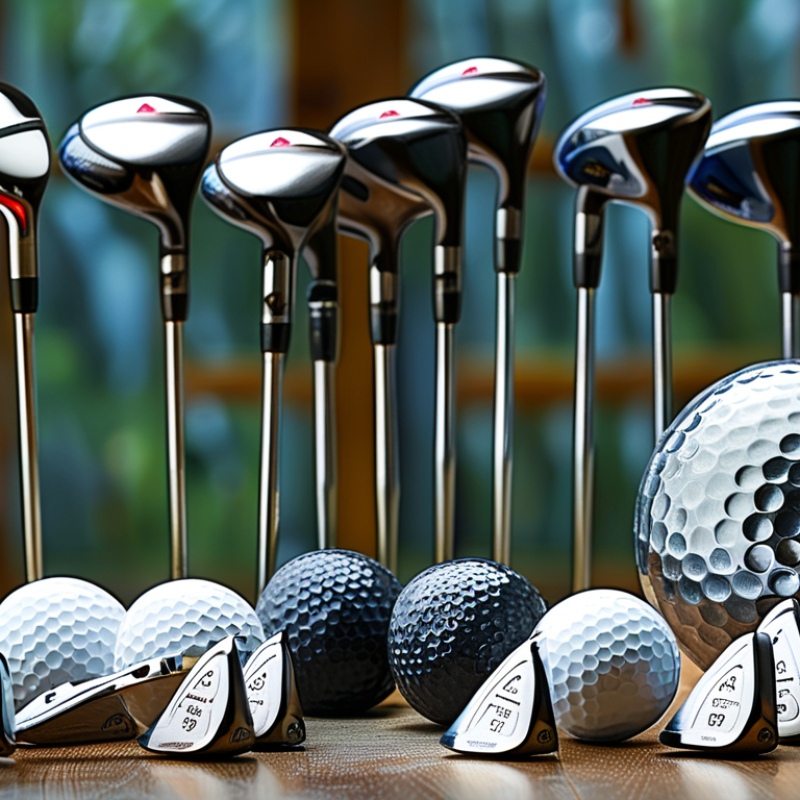
2026 How to Choose Between Beginner and Professional Golf Equipment?

Understanding the Differences Between Beginner and Professional Golf Equipment

Choosing between beginner and professional golf equipment can be daunting. Understanding the key differences is crucial. Beginner equipment is typically designed with user-friendliness in mind. Clubs often have larger heads and more forgiving designs. This facilitates easier ball striking, which is essential for those just starting. According to a report from the National Golf Foundation, nearly 30% of new golfers give up after the first year. Proper equipment can help mitigate this drop-off.

Professional gear, on the other hand, is crafted for precision and performance. It features advanced materials and technologies that enhance control. A study by the USGA reveals that 75% of professional players optimize their equipment to fit their unique swing styles. This level of customization can lead to improved outcomes on the course. However, the complexity of professional equipment may overwhelm beginners.

Many novice players believe they can jump straight into high-end gear. This often leads to frustration as they grapple with the increased difficulty of play. Reflection is key; understanding one’s skill level is vital for both enjoyment and improvement. The right choice fosters growth, making the game more accessible and enjoyable for everyone, regardless of their experience.

Key Factors to Consider When Choosing Golf Clubs for Your Skill Level

Choosing golf equipment can be tricky. One key factor is understanding your skill level. Research from the National Golf Foundation shows that over 70% of golfers self-identify as beginners. For these players, lighter clubs with larger sweet spots can enhance their experience. These clubs are typically more forgiving on mis-hits.

Professional golfers, on the other hand, benefit from clubs tailored to their unique swings. A report by the PGA reveals that professionals often switch clubs based on performance data and precision. Such equipment allows experienced players to shape their shots with greater accuracy. Not every beginner needs to aim for professional-grade gear. The risk of using overly advanced clubs is a common concern. This often leads to frustration and hinders skill development.

It's essential to assess your goals honestly. Are you looking to improve your swing or simply enjoy the game? Remember, club selection significantly impacts performance. A mismatched set can create poor habits. That said, even advanced players make mistakes. Reflect on your choices. Are your clubs truly enhancing your experience?

Choosing the Right Golf Equipment: Beginner vs Professional

This chart compares the average price of golf equipment tailored for different skill levels. Beginners typically spend around $300, while intermediate players may invest around $800. Professionals often purchase gear that costs about $1500, reflecting the higher performance and advanced technology in their equipment.

The Role of Budget in Selecting Golf Equipment for Beginners vs. Pros

When choosing golf equipment, budget plays a crucial role. Beginners often have limited funds. They need to prioritize essential gear. A basic set of clubs, balls, and tees can suffice. It is wise to invest in used equipment. This helps to save costs while learning. However, as skills improve, upgrading gear becomes essential.

Professional golfers typically have a higher budget. Their equipment must meet specific performance standards. Investing in high-quality clubs and accessories can enhance their game. Yet, spending excessively does not guarantee better performance. Each golfer must consider their unique needs. Finding the right balance between quality and cost is vital.

Tips: Focus on the features that suit your style. Research alternative brands that may offer quality without a premium price. Also, consider the resale value. Some equipment retains value better than others. This can help offset future upgrades. Remember, it’s not just about the price. Effectiveness and comfort are key factors to success on the green.

Essential Accessories and Gear: What Does Each Skill Level Require?

When selecting golf equipment, consider your skill level. Beginners typically need more basic gear. Essential items include a set of clubs, golf balls, and tees. A durable bag is also crucial to carry everything. Focus on lightweight options. They are easier to manage.

Professional golfers require more specialized gear. Their equipment needs to enhance performance. High-quality clubs, often custom-fitted, are vital. Advanced players may also invest in tech-driven accessories. Rangefinders and swing analyzers can provide valuable insights. However, these tools can overwhelm newcomers.

It's essential to reflect on your needs. Beginners might find advanced equipment confusing. Learning the basics first is crucial. Over time, as your skills improve, you will better understand your requirements. The right gear should support your growth in the game.

How to Test and Evaluate Golf Equipment for Optimal Performance and Comfort

When selecting golf equipment, performance and comfort are crucial. To test clubs, visit a local driving range. Take note of how each club feels in your hands. A well-balanced club should feel natural and stable. Observe your swing and ball flight. These will offer insights into the club's effectiveness for your level.

Comfort is about fitting the equipment to your body and swing style. Grip size matters; a too-thick or thin grip can affect your control. Pay attention to the shaft flex. Beginners often benefit from more flexible shafts, while advanced players may prefer stiffer ones. Trying out different options will help refine your choice.

Evaluate the feel of balls, too. Soft balls may offer more control but less distance. Harder balls typically provide more distance but can feel harsh. Test various types and see which combination enhances your play. Remember, finding the right equipment is a process. Let your experiences guide you toward better performance on the course.

2026 How to Choose Between Beginner and Professional Golf Equipment

Equipment Type Skill Level Test Criteria Performance Rating Comfort Rating
Golf Clubs Beginner Distance & Accuracy 7/10 6/10
Golf Clubs Professional Spin Control & Feel 9/10 8/10
Golf Balls Beginner Distance & Durability 6/10 7/10
Golf Balls Professional Control & Feel 9/10 9/10
Golf Shoes Beginner Traction & Stability 7/10 7/10
Golf Shoes Professional Comfort & Support 8/10 9/10

FAQS

: Why is budget important for beginners selecting golf equipment?

: Beginners often have limited funds. They should focus on essential gear to balance cost and quality.

What basic golf gear do beginners need?

A set of clubs, golf balls, tees, and a durable bag are essential for beginners.

How can beginners save money on golf equipment?

Investing in used equipment can help reduce costs while learning the game.

What should professional golfers prioritize when choosing equipment?

Professionals need high-quality gear that meets performance standards. Comfort and effectiveness are also crucial.

How can golfers test equipment for optimal performance?

Try clubs at a driving range to assess feel and effectiveness. Observe swing and ball flight for insights.

Why is grip size important in golf equipment?

The right grip size affects control. A poor fit can hinder performance, so testing different sizes is crucial.

Can advanced players benefit from technical accessories?

Yes, tech-driven tools like rangefinders can provide insights, but they may overwhelm beginners.

How do different golf balls affect performance?

Soft balls offer more control, while harder ones provide distance. Testing various types helps find the best fit.

What should golfers reflect on when choosing equipment?

Reflecting on personal needs is vital. Beginners should not rush into advanced equipment options.

How can golfers maintain balance between quality and cost?

Research alternative brands that offer quality at a lower price. Consider resale value to offset upgrades too.

Conclusion

In the exploration of "what is the difference between beginner and professional golf equipment," it's essential to grasp the distinct characteristics that cater to varied skill levels. Beginner golf equipment generally focuses on forgiveness, lighter weight, and ease of use, enabling newcomers to develop their skills without undue frustration. In contrast, professional gear is designed for precision, control, and advanced performance, catering to players who have honed their skills and can handle more sophisticated technologies.

When selecting golf clubs, key factors such as personal budget, comfort, and the type of play should be taken into account. Beginners may prioritize affordability and essential accessories, while advanced players often invest in high-quality gear that offers customization and superior performance. Lastly, taking the time to test and evaluate different equipment can significantly enhance the golfer’s experience, regardless of their level, ensuring both comfort and optimal performance on the course.

Oliver

Oliver

Oliver is a seasoned marketing professional with a wealth of expertise in driving brand awareness and engagement. With a deep understanding of our company's product offerings, he consistently delivers high-quality content that enriches our professional blog. His insights not only shed light on......