7 Tips for Choosing Golf Training Equipment for Practice Facilities

Time:2026-09-29 Author:Sophia
0%

Choosing golf training equipment for a practice facility is not simply a matter of buying the newest devices. The right choices depend on who uses the space, how often they practice, and which skills the facility aims to support. A teaching studio may need launch monitors and alignment aids, while a busy driving range may benefit more from durable mats, target greens, and clear distance markers. Fit comes first. Equipment should suit the available space, withstand repeated use, and remain easy for staff to inspect and maintain.

This guide explains how to select golf training equipment for practice facilities with practical criteria rather than broad promises. It considers durability, safety, training value, ease of use, storage, and cost over time. For example, a mat that shifts during a swing can disrupt practice, while worn hitting surfaces may produce inconsistent feedback. Small details matter. Buyers should also check product specifications, warranty terms, and manufacturer guidance before committing to larger purchases. Where possible, staff can test equipment with golfers of different abilities and record what gets used. Not every tool helps. Some facilities invest in sophisticated technology before confirming that golfers or instructors will use it regularly. That is an easy mistake to make, and one worth revisiting. The seven tips ahead can help owners, coaches, and facility managers make informed choices, compare options fairly, and build a practice area that supports useful, repeatable sessions.
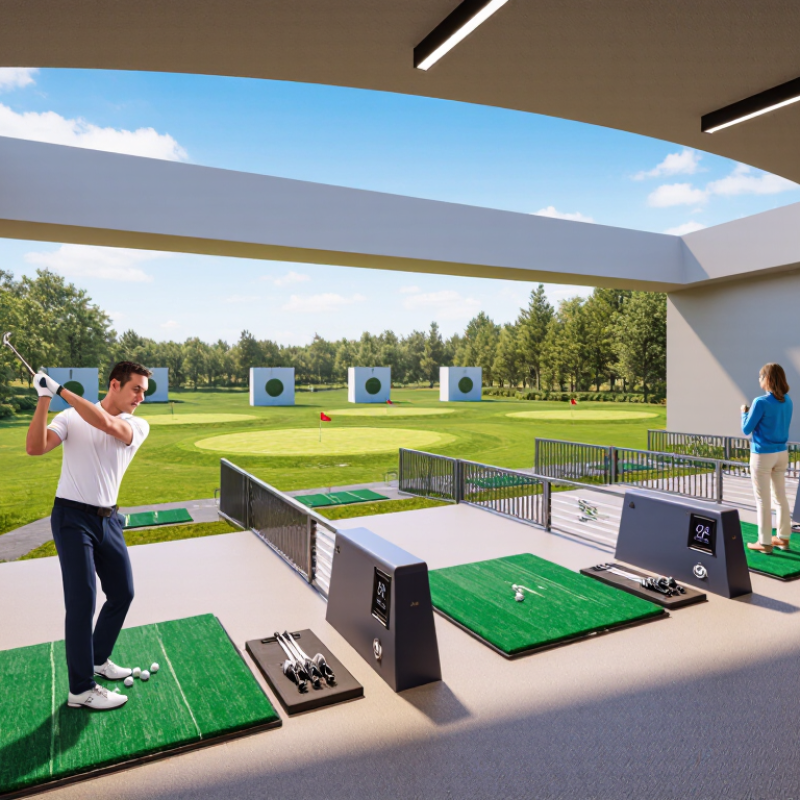
7 Tips for Choosing Golf Training Equipment for Practice Facilities

Define Practice Goals and Facility Requirements

Tip 1: Define what golfers need to improve before buying equipment. A facility serving beginners may prioritize reliable contact and basic alignment. Experienced players may need tools for distance gaps, shot shape, or launch conditions. Write down two or three practice goals, not a long wish list. Goals can change, and that is worth admitting.

Tip 2: Measure the space and observe how people move through it. Check bay width, ceiling height, lighting, storage, and access to power before comparing equipment. A tall training net may seem useful until it blocks a walkway. Count how many golfers practice at peak times. One station may create a queue. Three may take space away from coaching.

Tip 3: Match equipment to staff capacity and daily routines. Ask who will set it up, explain it, clean it, and check for wear. Simple tools often get used more consistently. That matters. Digital systems can offer detailed feedback, but only when staff have time to guide golfers through the numbers. A brief trial session can reveal awkward setup steps. It may also expose assumptions that looked sensible on paper.

Evaluate Equipment Types for Different Skill Levels

Practice facilities serve beginners, returning players, and low-handicap golfers, so one training tool rarely suits everyone. Match equipment to the skill being developed.

New players often benefit from large targets, alignment sticks, and stable putting aids. These make setup and basic contact easier to observe.

Keep the task simple. A coach can watch whether the player’s feet, clubface, and ball position stay consistent across several attempts.

Intermediate golfers need feedback that reveals patterns, not just isolated good shots. Impact tape, marked practice balls, and launch monitors can help connect strike location with ball flight.

Use measured sessions. For example, record ten shots with one club, then compare launch and dispersion rather than celebrating the longest result.

Advanced players may prefer adjustable targets, varied lies, and tools that test shot shaping or distance control. But more data is not always better. A busy screen can distract from feel, and a precise reading still depends on correct setup and calibration.

Consider age, mobility, and confidence, too. A balance aid may help one golfer notice weight shift, while another needs room to swing freely.

Ask players what feels unclear before adding equipment. That question is easy to skip.

Review tools during actual lessons: if players wait in line, misuse an aid, or cannot explain its purpose, the setup may need changing. Even experienced staff can misjudge what beginners find confusing.

Compare Quality, Durability, and Maintenance Needs

A practice facility needs equipment that holds up to repeated swings, hurried setup, and changing weather. Inspect joints, seams, and adjustment points before buying. A net with reinforced corners may last longer than one with thick-looking mesh but weak stitching. Check whether frames stay stable on turf and hard flooring. Small details matter. Ask staff to test equipment during a busy session, not just in a showroom. A stand that wobbles after several users can interrupt practice and create extra work.

Durability should match the facility’s use, not simply its price. For high-traffic stations, choose surfaces that resist scuffing and parts that can be replaced individually. Confirm how often items need cleaning, tightening, or calibration, and whether those tasks require special tools. Keep a simple maintenance log; recurring loose bolts or frayed straps can reveal a problem early. I have seen usable equipment discarded because no one knew a small part was replaceable. That is wasteful, though easy to overlook. Consider storage, too: damp mats and crowded racks shorten service life. A realistic trial period can expose these issues before the equipment becomes part of every lesson.

7 Tips for Choosing Golf Training Equipment for Practice Facilities

Compare equipment types across three practical criteria. Scores are indicative planning ratings—not standardized test results. For maintenance needs, a higher score means less routine upkeep.

Use these ratings as a starting point: inspect construction, check warranty and replacement-part availability, and estimate cleaning, inspection, and repair needs for your facility’s usage.

Check Space, Safety, and Technology Compatibility

7 Tips for Choosing Golf Training Equipment for Practice Facilities

Choosing golf training equipment starts with an honest space assessment. Measure ceiling height, floor area, lighting, and access routes before ordering anything. A full swing needs more room than a short-game station. Leave clear walking lanes around every hitting position. Mark swing zones with floor tape during a trial setup. This reveals awkward traffic patterns quickly. I once underestimated storage space, and loose training aids became a trip hazard. That mistake was expensive.

Safety should guide every equipment decision. Select stable frames, secure netting, non-slip flooring, and impact-resistant surfaces. Check that protective barriers cover nearby walls, windows, and observation areas. Inspect cables, anchors, and fasteners on a regular schedule. Keep emergency exits visible and unobstructed. Staff should explain safe distances and equipment use before practice begins. Small details matter. Even quiet equipment can create dangerous distractions in a busy facility.

Technology compatibility deserves careful testing. Confirm electrical requirements, sensor placement, network access, and software support before installation. Measure whether screens and projectors work under the facility’s lighting conditions. Test tracking accuracy with different swing speeds and club types. Ask whether data can be exported for coaching records. A system that looks impressive may still be difficult to maintain. I still miss small technical details sometimes. Create a written checklist, involve coaches and maintenance staff, and test the complete setup during normal operating hours.

Set a Practical Budget and Plan Future Upgrades

A practical equipment budget should begin with actual facility use, not an impressive wish list. The R&A’s Golf Around the World 2023 report recorded 66.6 million golfers across 206 countries, showing the broad demand for accessible practice. However, local traffic matters more than global growth. Track peak-hour attendance, lesson bookings, ball consumption, and winter usage for at least eight weeks.

Create three budget levels: essential, performance, and future upgrade. Essential items may include durable mats, targets, baskets, lighting, and safety barriers. Performance equipment can add launch measurement, video feedback, and adjustable practice stations. Keep 15% to 20% unspent for installation changes, repairs, and unexpected electrical work. Small details become expensive.

I once underestimated storage space. That mistake blocked a service corridor and delayed daily setup. Measure every cabinet, cable route, and equipment trolley before purchasing. The National Golf Foundation reported 41.1 million on-course golfers in the United States during 2023, with additional participation in off-course formats. That mix supports flexible practice areas, but not unlimited spending. Choose systems with open data access, replaceable parts, and software that can be upgraded without replacing the entire station. Review performance after 90 days. If users ignore a feature, question its value. Do not protect a weak purchase merely because it was expensive.

FAQS

What equipment works best for beginners?

Beginners often benefit from large targets, alignment sticks, and stable putting aids. These make setup easier to observe. Keep the task simple.

How can intermediate golfers track improvement?

Use impact tape, marked balls, or a launch monitor to spot patterns. Record ten shots with one club. Compare launch and dispersion, not just the longest shot.

What should advanced players look for?

Adjustable targets, varied lies, and distance-control tools can test shot shaping. More data is not always better. A crowded screen can distract from feel.

How should a facility choose equipment for different players?

Consider skill, age, mobility, and confidence. Ask what feels unclear before adding a tool. I sometimes skip that question; it can reveal a better setup.

How can staff judge equipment durability?

Inspect seams, joints, and adjustment points. Test frames on turf and hard flooring. A wobbly stand can disrupt a busy practice session.

What maintenance should facilities plan for?

Check cleaning, tightening, and calibration needs before purchase. Keep a simple log of loose bolts and frayed straps. Small problems add up.

How much budget should be reserved for unexpected costs?

Keep 15% to 20% unspent for repairs, installation changes, and electrical work. Measure cabinets, cable routes, and trolley spaces before ordering.

How can a facility tell whether new equipment is useful?

Review use after 90 days. If players ignore a feature, question its value. I once underestimated storage space; a trolley blocked a service corridor. That was my mistake.

Conclusion

Choosing the right equipment is essential for creating an effective and sustainable golf practice facility. This guide explains how to select golf training equipment for practice facilities by first defining clear practice goals, such as improving swing technique, ball striking, short-game control, or player consistency. It also considers the needs of different skill levels, ensuring that beginners, intermediate players, and advanced athletes can all benefit from suitable training tools.

The article also highlights the importance of comparing equipment quality, durability, and maintenance requirements before making a purchase. Facility managers should evaluate available space, user safety, storage needs, and compatibility with tracking or digital training technology. Finally, setting a realistic budget helps balance performance and long-term value, while planning for future upgrades allows the facility to adapt as player expectations and training methods evolve.

Sophia

Sophia

Sophia is a dedicated marketing professional with an exceptional depth of knowledge about her company's products and services. With a keen understanding of market trends and customer needs, she crafts insightful blog posts that not only inform but also engage readers, enriching the company’s online......