What Materials Are Commonly Used in Golf Equipment Manufacturing?

Time:2026-07-06 Author:Oliver
0%

In the realm of golf equipment manufacturing, the choice of materials plays a crucial role in performance. Experts like Dr. John Smith, a materials scientist specializing in sporting goods, emphasize that "the right materials can enhance the player's experience significantly." Understanding what materials are commonly used in golf equipment manufacturing is essential for both manufacturers and players alike.

Iron, steel, graphite, and titanium are frequently employed in the making of clubs, shafts, and balls. Each of these materials brings unique properties to the table. For example, titanium is prized for its strength and lightweight nature. Clubs made from titanium often provide players with increased swing speed. However, the selection process is not always straightforward. Manufacturers face challenges in balancing cost, performance, and durability.

While advancements in material technology have led to exciting innovations, some traditional materials still hold value. Wood, for example, is rare in modern equipment but retains sentimental importance for many golfers. This mix of old and new reveals the complexity in deciding what materials are commonly used in golf equipment manufacturing. Ultimately, understanding these materials can help players select gear that meets their individual needs.
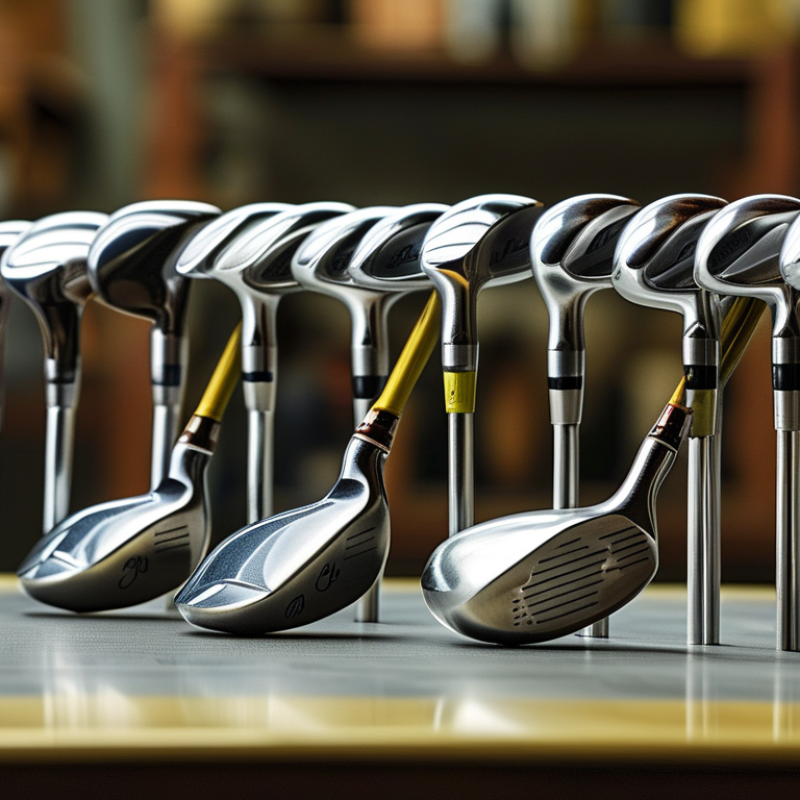
What Materials Are Commonly Used in Golf Equipment Manufacturing?

Overview of Golf Equipment Manufacturing Materials

When it comes to golf equipment manufacturing, the choice of materials plays a crucial role. Various materials influence performance, durability, and player experience. The most common materials include metals, polymers, and composites. Steel and titanium are popular for club heads due to their strength and ability to withstand high impacts. Lightweight titanium helps golfers achieve faster swing speeds.

Polymers, particularly those used in grips, enhance comfort and control. They provide excellent shock absorption and can be molded into various shapes. Composite materials, often a mix of different substances, allow for innovative designs. These materials can optimize weight distribution and improve aerodynamics. However, the consistency of composite quality can vary, prompting ongoing research in material science.

Despite advancements, manufacturers face challenges. Balancing cost with performance remains tough. New materials can lead to better products, but not all innovations prove effective. Testing is essential for safety and effectiveness. While modern technology offers exciting possibilities, the sustainability of materials is increasingly questioned. Manufacturers must consider environmental impacts in their choices.

Common Materials Used in Golf Equipment Manufacturing

Metals Used in Golf Club Construction

The construction of golf clubs relies heavily on specific metals known for their performance and durability. Stainless steel is a common choice due to its strength and resistance to rust. Many players appreciate its solid feel during swings. Yet, some golfers find it too heavy, impacting their speed.

Another favored metal is titanium. It's lighter than stainless steel but offers exceptional strength. This allows manufacturers to create larger clubheads without adding weight. However, the high cost of titanium can limit its use.

Moreover, alloys are often utilized to combine the benefits of different metals. These materials can enhance flexibility and control. They can also be engineered for unique performance characteristics. However, the complexity of these alloys might lead to inconsistencies during production, necessitating careful quality checks. The choice of metal significantly impacts a golfer's performance, but finding the right balance remains a challenge for both manufacturers and players.

Synthetic Materials in Golf Balls and Tees

When it comes to golf balls and tees, synthetic materials play a significant role in performance. Golf balls typically feature a cover made of synthetic urethane or ionomer. These materials enhance durability and provide better control over spins and distances. Many players notice a difference in feel when hitting these enhanced balls, as they offer a balance between distance and accuracy.

Tees, often overlooked, also benefit from modern materials. Many are made from plastics that resist breaking. This durability allows for repeated use without sacrificing performance. While wooden tees have a traditional appeal, synthetic options provide several advantages that golfers may find appealing. However, some players debate whether the feel of traditional wood significantly impacts their game.

Overall, the use of synthetic materials reflects a broader trend in golf equipment innovation. Manufacturers continuously research new materials that could potentially improve the game. Still, golfers should remember that personal preference plays a crucial role in equipment choices. The right materials may enhance performance, but the connection a player feels with their equipment often outweighs the technical advantages.

Wood and Composite Materials in Golf Equipment

Wood and composite materials have a long history in golf equipment manufacturing. Traditionally, woods were used for crafting drivers and fairway clubs. These materials are cherished for their aesthetic appeal and unique feel. The natural grain of wood adds character to each club, making it a favorite among traditionalists.

Composite materials have emerged as a game-changer in golf equipment. They blend various substances to enhance performance while reducing weight. Manufacturers often use carbon fiber and resin to create stronger and lighter clubheads. These advancements allow golfers to generate more swing speed. However, transitioning from wood to composites can feel jarring for some players. The sound and touch differ significantly.

Experts note that finding the right material is crucial for each golfer’s game. Custom fitting becomes vital to accommodate personal preferences. While wood has a nostalgic quality, composites deliver performance advantages. Balancing these factors can be challenging. Many golfers still grapple with their choices, reflecting on how material impacts their playing style. Each golfer's journey with equipment is unique and ongoing.

Innovative Technologies in Golf Equipment Manufacturing

Innovative technologies have transformed golf equipment manufacturing, enhancing performance and player experience. Advanced materials, like carbon fiber and titanium, are lightweight yet incredibly strong. This shift to modern materials allows golfers to achieve greater distance and accuracy.

Design innovations, such as computer-aided design (CAD) and 3D printing, streamline the prototyping process. These technologies enable manufacturers to create customized clubs tailored to individual player preferences. The result is equipment that better fits a golfer’s swing mechanics and style.

Tip: Consider getting fitted for clubs to optimize your performance. Tailored equipment can significantly improve your game. Pay close attention to how each club feels during practice.

While these advancements are promising, the fast pace of technology raises questions. Are all innovations genuinely beneficial? It’s essential to critically assess new products. Not every new feature enhances performance equally. Balancing innovation with traditional elements can lead to more effective equipment choices.

FAQS

: What materials are commonly used in golf equipment manufacturing?

: Common materials include metals like steel and titanium, polymers for grips, and composite materials.

Why are metals like titanium preferred for club heads?

Titanium offers strength and lightness, helping golfers achieve faster swing speeds.

How do polymers enhance the golf experience?

Polymers improve comfort and control, providing excellent shock absorption in grips.

What advantages do composite materials offer?

Composites allow innovative designs, optimizing weight distribution and boosting aerodynamics.

What challenges do manufacturers face with material choices?

Balancing cost and performance is tough, and consistency in composite quality can vary.

How has the use of wood changed in golf equipment?

Woods were traditionally used but composites now dominate due to performance benefits despite their different feel.

Why is custom fitting important for golfers?

Custom fitting helps accommodate personal preferences and ensures the right material enhances the player's game.

What thoughts do golfers have about material impact?

Many golfers reflect on how different materials affect their playing style and overall experience.

Are there concerns about sustainability in golf equipment manufacturing?

Yes, there are increasing questions about the environmental impacts of material choices in production.

How do players feel about transitioning from wood to composite equipment?

Some players find the shift jarring due to differences in sound and touch from the materials.

Conclusion

In the realm of golf equipment manufacturing, understanding "what materials are commonly used in golf equipment manufacturing" is essential for both manufacturers and consumers alike. The primary materials include various metals used in the construction of golf clubs, which provide durability and performance. Commonly used metals are stainless steel and titanium, known for their strength and lightweight properties.

Additionally, synthetic materials play a significant role, especially in the production of golf balls and tees, offering enhanced aerodynamics and improved playability. Wood and composite materials are also utilized, particularly in the design of clubs, where they contribute to a traditional feel while incorporating modern technological advancements. Furthermore, innovative technologies continue to push the boundaries of golf equipment manufacturing, leading to new materials and designs that enhance the golfing experience. Overall, the diversity of materials reflects the industry's evolution and its commitment to improving performance on the course.

Oliver

Oliver

Oliver is a seasoned marketing professional with a wealth of expertise in driving brand awareness and engagement. With a deep understanding of our company's product offerings, he consistently delivers high-quality content that enriches our professional blog. His insights not only shed light on......