Choosing your first golf equipment can feel like standing beside a wall of shining clubs. The labels promise distance, forgiveness, and confidence. Yet beginners rarely need a full fourteen-club set on day one. They need suitable basics, sensible prices, and equipment that supports regular practice.
So, what golf equipment do beginners need? The National Golf Foundation reported approximately 3.4 million American beginners entered the game in 2023. The R&A’s Global Golf Participation Report also recorded more than 66 million golfers worldwide. These figures show a growing audience, but they do not prove that expensive equipment creates better players. That assumption deserves doubt.
Tom Wishon, a respected club designer and fitting expert, has repeatedly emphasized, “There is no such thing as a standard golf club.” His point matters. A beginner’s height, strength, swing speed, and hand position influence club choice. A seven-iron that feels balanced in one player’s hands may feel heavy and awkward in another’s. A basic starter set, golf balls, glove, tees, and a comfortable pair of shoes usually provide a practical beginning. A putter deserves special attention because beginners use it on almost every hole.
This guide examines essential clubs, carrying options, footwear, balls, and useful accessories. It also considers borrowing or buying second-hand equipment. That can be wiser than chasing the newest release. Independent fitting advice remains valuable, although no fitting session can replace patient practice. Some recommendations here may not suit every player. That is the honest limitation. Golf improves through informed choices, repeated swings, and occasional reassessment.
What Golf Equipment Do Beginners Need?
Understanding the Essential Golf Equipment for Beginners
Beginners do not need a complete set of clubs immediately. A practical starting group includes a driver, a fairway wood, a 6- or 7-iron, a pitching wedge, and a putter. These clubs cover tee shots, fairway swings, short approaches, and putting. A half set is easier to carry and helps new players learn consistent movement. Too many choices can create hesitation.
Choose clubs that feel comfortable, not merely impressive. A slightly shorter club may improve control, especially for a beginner with a slower swing. Flexible shafts can also help some players launch the ball more easily, but comfort and proper fitting matter more than general advice. A local professional can check grip size, club length, and swing speed. This small assessment may prevent months of poor habits. I would not skip it, although budget limits are real.
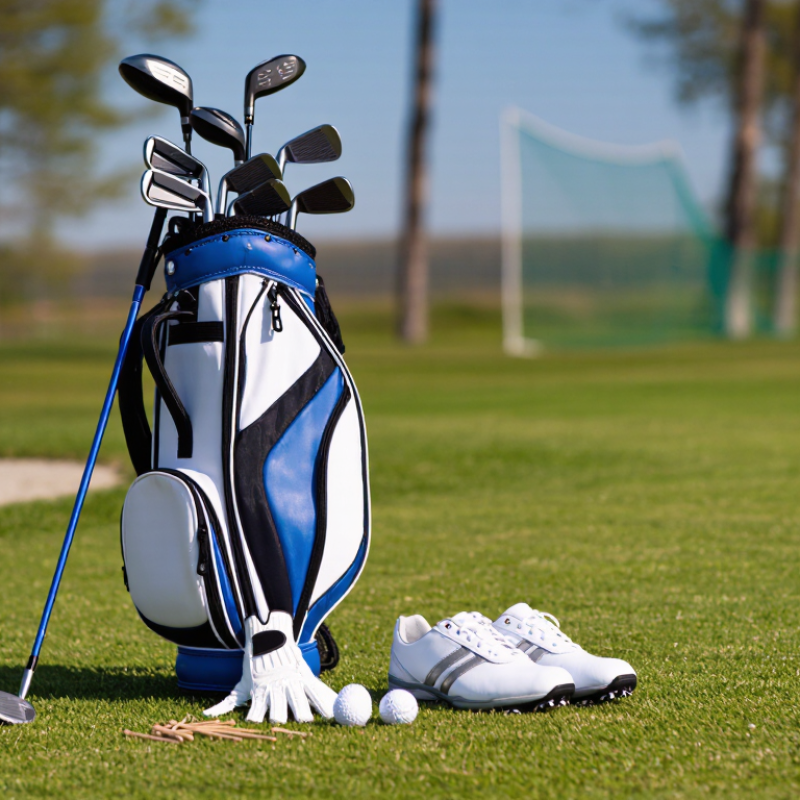
Golf balls, tees, a glove, and a lightweight bag complete the basic setup. Wear shoes with stable soles and enough space for your toes. Bring a few extra gloves if rain or heat is common. A towel is surprisingly useful for wet grips. Expensive distance tools can wait. Beginners often benefit more from lessons and practice time. I once underestimated how quickly poor grip pressure caused fatigue. That mistake still seems avoidable. Start simply. Learn what each club does. Replace equipment only when your experience shows a clear need.
| Equipment | Primary Purpose | Beginner-Friendly Recommendation | Suggested Quantity | Priority | Typical New Price Range | Beginner Buying Considerations |
|---|---|---|---|---|---|---|
| Golf Clubs | Used to hit the ball different distances and from different lies. | A basic set with a driver, fairway wood or hybrid, several irons, a wedge, and a putter. | One starter set | Essential | $250–$900 | Choose forgiving clubheads, regular-flex shafts when appropriate, and a set that is comfortable to carry. |
| Golf Stand Bag | Stores and transports clubs, balls, and accessories around the course. | A lightweight stand bag with comfortable dual shoulder straps and several pockets. | One | Essential | $80–$300 | Look for useful pocket organization, a stable stand mechanism, and a rain-resistant outer material. |
| Golf Balls | Provide the object that is struck during play. | Durable two-piece balls designed for distance and lower spin. | One dozen to start | Essential | $15–$45 per dozen | Beginners often lose balls, so affordable durable balls are usually more practical than premium tour-style balls. |
| Golf Tees | Elevate the ball for the first shot on most holes. | Standard wooden or plastic tees in multiple lengths. | 20–50 tees | Essential | $3–$12 | Use longer tees for a driver and shorter tees for irons or smaller clubheads. |
| Golf Glove | Improves grip comfort and helps reduce slipping and blisters. | A properly fitted glove worn on the lead hand. | One, plus a spare | Recommended | $10–$30 each | The glove should fit snugly without restricting finger movement. Replace it when the palm becomes smooth or torn. |
| Golf Shoes | Provide traction and stability during the golf swing. | Comfortable spikeless shoes with water-resistant uppers. | One pair | Recommended | $60–$180 | Prioritize walking comfort, grip, and weather protection. Traditional metal spikes are not needed for beginners. |
| Golf Towel | Cleans clubfaces, grips, and golf balls. | A small absorbent towel with a clip or loop for attaching to the bag. | One | Recommended | $10–$30 | A towel with a textured section can help remove dirt from club grooves without taking up much space. |
| Pitch Mark Repair Tool | Repairs ball marks on putting greens. | A compact single- or double-prong repair tool. | One | Recommended | $5–$15 | Repairing ball marks helps maintain smooth putting surfaces and is an important course etiquette habit. |
| Golf Ball Marker | Marks the ball position when the ball is lifted on the putting green. | A flat coin-style marker or small magnetic marker. | One or two | Recommended | $2–$15 | Choose a marker that is easy to see but small enough not to interfere with other players. |
| Golf Umbrella | Protects the player and equipment from rain or strong sunlight. | A large, wind-resistant umbrella that fits securely in the bag. | One | Optional | $25–$70 | It is most useful in regions with frequent rain. A strong frame and comfortable handle improve reliability. |
| Rangefinder or GPS Device | Measures distance to the green, hazards, and other targets. | A basic GPS watch, handheld GPS, or simple laser rangefinder. | One | Optional | $80–$500 | Beginners can learn course distances from markers and scorecards first; advanced distance tools can be added later. |
| Practice Mat and Net | Support at-home practice of swings and ball striking. | A durable hitting mat and a properly secured practice net. | One set, if space allows | Optional | $100–$600 | Use a safe outdoor area, inspect the net regularly, and avoid practicing full shots indoors without appropriate protection. |
Start with a driver, fairway wood, 6- or 7-iron, pitching wedge, and putter. This small group covers most basic shots. Too many clubs can create hesitation.
No. A half set is easier to carry and simpler to understand. Learn what each club does before buying more. I once assumed more options meant faster progress. It did not.
Choose clubs that feel comfortable, not merely impressive. A shorter club may improve control for slower swings. Flexible shafts can help some players launch the ball. Proper fitting still matters more.
A local professional can check grip size, club length, and swing speed. This small assessment may prevent months of poor habits. Budget limits are real, but skipping fitting can be costly.
Bring golf balls, tees, a glove, and a lightweight bag. A towel helps dry wet grips. Expensive distance tools can wait. Practice matters more.
Select shoes with stable soles, secure fit, and enough toe space. Good grip helps on damp or uneven grass. Waterproof materials help in rain but may feel warmer. Fit matters most.
Choose a snug glove that follows your fingers without restricting movement. Excess material can fold inside the palm. Try it while holding a club. Keep it dry between rounds.
Wear breathable shirts, flexible trousers, and moisture-managing socks. Avoid loose sleeves during the backswing. Carry a light outer layer when wind may change. Check course dress requirements before playing.
For beginners wondering “what golf equipment do beginners need,” the best approach is to start with the essentials rather than buying everything at once. A practical first set usually includes a driver or fairway wood, a few irons, a wedge, and a putter. Beginners should choose clubs that feel comfortable, are easy to control, and match their height and swing development. A small supply of golf balls, tees, a ball marker, and a basic golf towel will also make time on the course more convenient.
Comfort and practicality matter just as much as equipment. Supportive golf shoes can improve stability, while a glove may provide a more secure grip and help prevent blisters. Comfortable, weather-appropriate clothing allows easier movement throughout the round. By setting a realistic budget and purchasing only the items needed for practice and casual play, new golfers can build a useful equipment collection without unnecessary expense.

 Clyde Golf