Golf equipment can influence performance through fit, design, consistency, and player confidence. The right club does not replace practice, but it can make every swing more predictable. A driver’s loft, shaft flex, and center of gravity affect launch, spin, and distance. A putter’s balance can also change how smoothly the face returns to the target line.
So, how does golf equipment affect performance in real playing conditions? Consider a golfer using a shaft that is too stiff. The ball may launch low, curve unexpectedly, or lose carry distance. Another player might benefit from a lighter shaft because it supports a faster, more comfortable swing. These effects are not identical for everyone. Physical strength, swing speed, skill level, and course conditions all matter.
Small details can become visible quickly. A poorly fitted grip may create tension in the hands. Worn grooves may reduce control from wet grass. A properly fitted iron can produce a higher flight that stops sooner on a firm green. Professional club fitting uses launch monitors, impact data, and repeated shots to identify useful patterns. Personal testing still matters, though. Data can guide a decision, but it cannot fully measure comfort, confidence, or changing technique.
Equipment is helpful, not magical. Even advanced clubs cannot correct every swing flaw. Players should review their clubs regularly and compare performance under consistent conditions. This approach supports informed choices, while leaving room for honest reflection when the results do not match expectations.
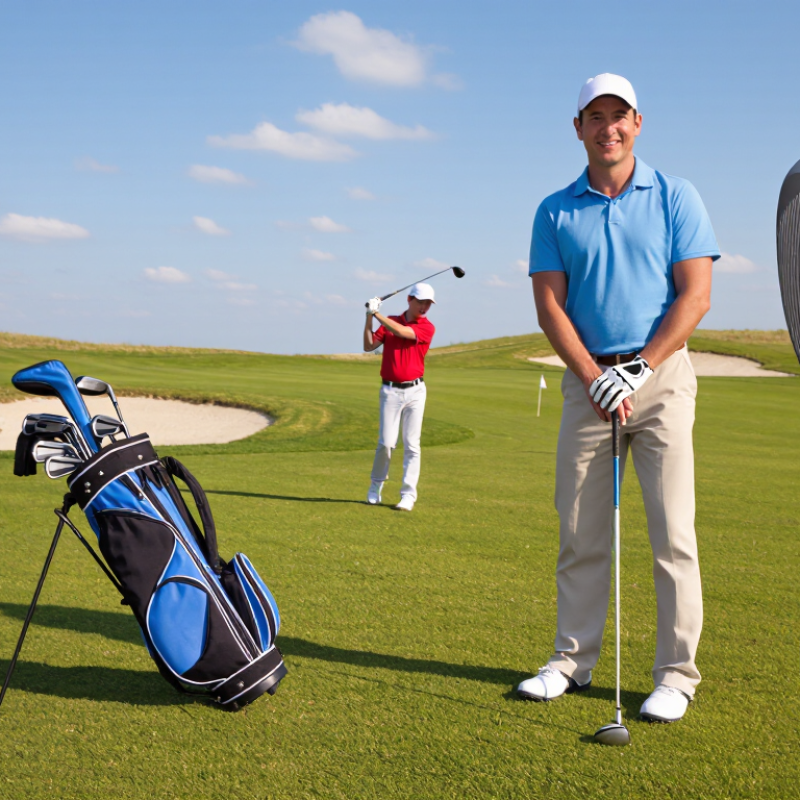
Golf equipment performance means how reliably a club turns your swing into a useful shot. It is not simply distance. A well-matched driver can produce steadier launch angles, manageable spin, and fewer shots lost offline. Irons should support predictable carry gaps. A putter should help the face return squarely under pressure. During a fitting, I would examine strike location, ball speed, launch, spin, and dispersion. Those measurements reveal more than one impressive swing.
Tips: Test equipment with your normal golf ball and realistic targets. Hit at least ten shots with each option. Note average results, not the longest shot. Check grip comfort, shaft weight, and club length. If possible, test on grass. Mats can hide poor contact.
Performance also includes confidence and repeatability. A heavier shaft may improve control for one player but tire another after fourteen holes. More loft can increase carry, although it may feel less powerful. I once blamed my irons for inconsistent direction, then noticed my setup changed under pressure. Equipment matters, but technique and decision-making still matter. A professional fitting can identify useful patterns, yet it cannot replace honest practice. Conditions complicate everything: wind, temperature, lie, and fatigue can alter results. Treat fitting data as evidence, not a promise.
| Performance Dimension | Key Equipment Variable | Relevant Metric | Representative Real-World Data | How It Affects Performance | Practical Interpretation |
|---|---|---|---|---|---|
| Ball Speed | Clubface flexibility and impact efficiency | Ball speed ÷ clubhead speed | Well-struck modern drivers commonly produce a smash factor of approximately 1.45–1.50. | Higher impact efficiency converts more clubhead speed into ball speed, increasing potential distance. | A centered strike usually provides more speed than a mishit, even when the swing speed is unchanged. |
| Carry Distance | Loft, ball speed, launch angle, and spin rate | Carry distance in yards or metres | For a driver swing around 95 mph, a well-fitted setup may produce roughly 220–240 yards of carry, depending on strike and conditions. | Equipment that improves launch and energy transfer can increase carry without requiring a faster swing. | Distance results are highly individual and should be measured with the same ball and launch-monitor settings. |
| Launch Height | Static loft, dynamic loft, and shaft delivery | Launch angle in degrees | Driver launch angles often fall within approximately 10°–16° for recreational and competitive players. | Launch angle influences how quickly the ball rises and how efficiently it remains airborne. | Too little launch can reduce carry, while excessive launch may increase height without adding useful distance. |
| Spin Control | Club loft, face angle, grooves, and ball construction | Backspin in revolutions per minute | Driver backspin is commonly measured around 1,800–3,000 rpm, while iron shots generally generate substantially more spin. | Spin affects trajectory, stopping power, and the amount of distance lost or gained in different conditions. | Lower driver spin can reduce excessive ballooning, but too little spin may make the ball difficult to keep airborne. |
| Accuracy and Dispersion | Club length, lie angle, shaft profile, and head design | Shot spread from the target line | A fitting assessment commonly compares the left-to-right spread of several shots rather than relying on one result. | Equipment that matches the golfer's delivery can reduce directional variation and improve consistency. | A slightly shorter club may produce less maximum speed but improve center contact and overall dispersion. |
| Center Contact | Clubhead size, face design, length, and swing weight | Impact location on the face | Off-center impacts can reduce ball speed and alter launch and spin through gear-effect behavior. | More centered contact generally improves energy transfer and makes ball flight more predictable. | Forgiveness helps preserve performance on imperfect strikes, but it cannot fully replace accurate contact. |
| Shot Height | Iron loft, center of gravity, and shaft characteristics | Peak height in feet or metres | Peak height varies widely by club and player; mid-irons commonly reach approximately 70–110 feet for many golfers. | Higher peak height can improve stopping ability, while lower flight may be useful in wind or firm conditions. | The ideal height depends on swing speed, landing angle, course conditions, and the intended shot. |
| Landing and Stopping Power | Spin, descent angle, club loft, and ball design | Descent angle in degrees | Approach shots with descent angles near or above 45° generally have a better chance of stopping quickly on receptive greens. | A steeper descent and sufficient spin help the ball land softly rather than release forward. | Greenside control depends on both the equipment and the quality of the strike. |
| Swing Speed and Effort | Club weight, shaft weight, balance, and length | Clubhead speed in mph or km/h | Many recreational golfers generate driver clubhead speeds below 100 mph, while individual results vary substantially. | A suitable weight and balance can help a golfer maintain rhythm and deliver the club consistently. | The lightest equipment is not automatically the fastest; control and timing are equally important. |
| Feel and Feedback | Head construction, vibration characteristics, grip size, and grip material | Perceived comfort and impact feedback | Feel is primarily subjective, but consistent feedback can help golfers identify strike quality and adjust technique. | Comfort and useful feedback may improve confidence, commitment, and repeatability. | Feel should support performance rather than be evaluated separately from launch, distance, and accuracy data. |
| Weather and Course Adaptability | Ball flight, spin profile, club loft, and equipment setup | Distance and trajectory under changing conditions | Cold air, wind, wet turf, and firm fairways can materially change carry, roll, and stopping behavior. | Equipment with predictable launch and spin gives the golfer more control when conditions change. | On-course performance should be judged across realistic playing conditions, not only in a controlled session. |
| Regulatory Performance Limit | Clubface spring-like effect and club dimensions | Coefficient of restitution and equipment rules | Governing bodies limit driver performance characteristics, including face energy transfer and club dimensions. | Within legal limits, fitting and strike quality usually have a greater practical effect than simply selecting the newest equipment. | Conforming equipment ensures that performance gains remain acceptable for regulated play. |
It means turning your swing into useful, repeatable shots. Distance matters, but launch, spin, direction, and contact matter too. One great swing proves very little. Consistency is the better test.
Use your normal golf ball and realistic targets. Hit at least ten shots with each club. Compare average results, not the longest shot. Test on grass when possible, because mats can hide poor contact.
Yes. Extra distance means little if dispersion becomes wider. A club that flies three yards farther may miss the target more often. I may overvalue distance when accuracy quietly suffers.
Loft affects launch height and carry. Face construction can influence ball speed and spin. A lower center of gravity may launch the ball higher. More distance does not automatically mean better performance.
Heel and toe strikes can curve differently, even with the same swing path. High stability can reduce twisting on poor contact. Still, it cannot remove every mistake. Strike location remains important.
Shaft weight can influence tempo, release timing, and control. A heavier shaft may steady a quick transition. A lighter shaft may help some players create speed. After fourteen holes, fatigue can change the answer.
Yes. An oversized grip may limit wrist movement and leave the face open. A narrow grip may encourage excessive hand action. Comfort matters, but comfort alone is not enough.
A fitting may measure clubhead speed, ball speed, launch, spin, attack angle, and strike location. It should also examine dispersion and contact quality. Numbers are evidence, not promises. Conditions can distort them.
No. A well-matched club can make ordinary errors less costly. It cannot replace practice, sound setup, or better decisions. I once blamed equipment before noticing my setup changed under pressure.
Golf equipment performance refers to how effectively a golfer’s clubs, balls, and accessories support distance, accuracy, consistency, and control. Understanding how does golf equipment affect performance begins with club design: factors such as loft, head shape, weight distribution, and face technology can influence launch angle, forgiveness, and shot direction. Ball construction also matters, as different layers and covers affect speed, spin, feel, and flight stability.
Shaft flexibility, length, weight, and torque can change swing timing and energy transfer, while properly selected grips may improve comfort and control. Professional fitting helps match these features to a player’s swing mechanics, strength, and skill level. Equipment should also suit different playing conditions, including wind, course firmness, temperature, and turf type. By choosing equipment that matches both personal technique and course demands, golfers can improve confidence, consistency, and overall performance.

 Clyde Golf