In the world of golf, equipment fitting plays a crucial role in achieving success on the course. According to renowned golf coach Mark Immelman, “Properly fitted clubs enhance performance and build confidence.” This highlights why equipment fitting is important in golf for both amateurs and professionals.
Many golfers underestimate how personalized equipment can improve their game. Ill-fitted clubs can lead to inconsistent swings and missed opportunities. The importance of selecting the right shaft, grip size, and club length cannot be overstated. These elements can dramatically influence a golfer’s performance.
Without the right fit, even seasoned players can struggle. Identifying individual swing characteristics and physical attributes is essential. Each golfer’s needs vary, making one-size-fits-all solutions ineffective. As golfers reflect on their performance, they must consider how equipment fitting can provide that necessary edge in their game.
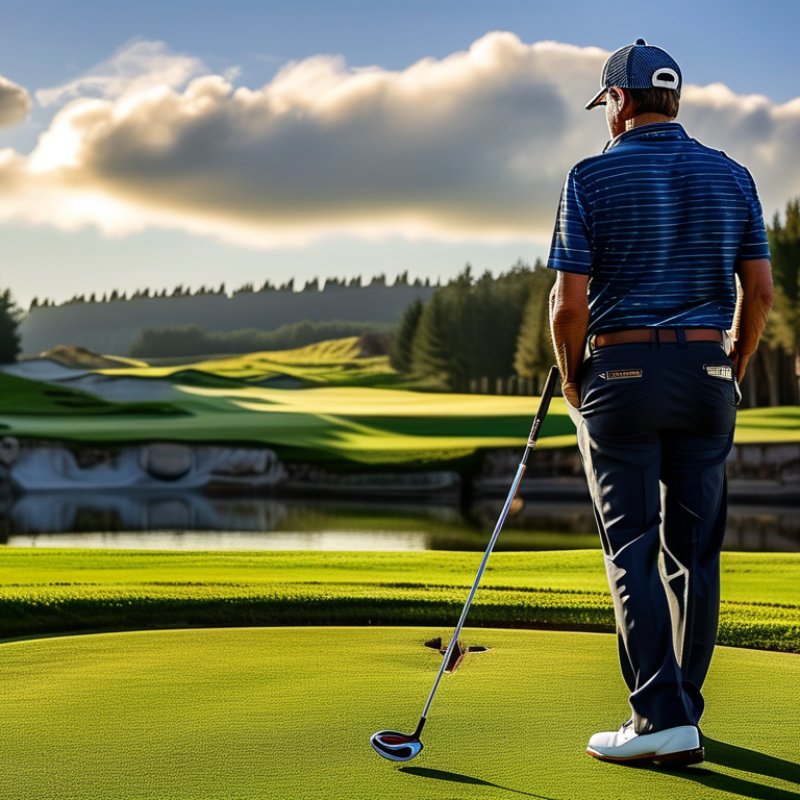
Proper equipment fit in golf can significantly influence your performance. When clubs are too long or short, it can create swing inconsistencies. A well-fitted driver allows you to hit straighter and longer drives. Similarly, the right iron set can enhance accuracy. Comfort is key in your golfing experience. When your clubs suit your size and style, you’ll feel more confident on the course.
Many golfers underestimate the impact of their equipment. They might ignore how a few inches can dramatically change their swing. A fitting session can reveal surprising insights. You may discover that adjusting the lie angle of your clubs improves your ball flight. Proper grip size affects your control over the club as well. It's easy to overlook these small details, but they matter.
Investing time in equipment fitting is a step toward improvement. You might face challenges when adapting to your new configuration. It takes patience to adjust to a better fit. Embracing this process can lead to greater success on the course. Each golfer's journey is unique, and fitting can be a crucial part of that path. Understanding your needs and preferences shapes your overall experience.
When it comes to golf performance, club length plays a vital role. Studies indicate that using the correct club length can improve accuracy and distance. Research from the Golf Industry Association suggests that golfers with correctly fitted clubs have a 20% higher chance of making successful shots. This fitting process accounts for a player’s height, arm length, and stance.
Imagine the difference between a 1-inch variation in club length. For a golfer standing at 6 feet tall, a longer club can enhance reach. However, if it is too long, it might lead to inconsistent swings. A report by the U.S. Golf Manufacturers Committee underscores that 60% of golfers miss the fitting process altogether. This often results in ineffective swings and lower performance levels.
An even smaller adjustment can shift a game. Many amateurs do not realize how tiny changes impact their biomechanics. These changes affect their swing path, leading to bad habits. The insightful data from the National Golf Foundation shows that 75% of players do not adjust their equipment based on their evolving skill levels. This oversight impacts their success on the course. Proper fitting should not be an afterthought; it's essential for unlocking one’s potential.
| Club Length (inches) | Average Swing Speed (mph) | Average Distance (yards) | Accuracy (Fairway %) | Recommended Player Height (inches) |
|---|---|---|---|---|
| 44 | 95 | 225 | 70% | 72-76 |
| 45 | 100 | 240 | 68% | 76-80 |
| 46 | 105 | 255 | 65% | 80-84 |
| 47 | 110 | 270 | 63% | 84-88 |
Shaft flexibility plays a crucial role in determining a golfer's accuracy. A study by the Golf Research Association indicates that the right shaft flex can improve shot consistency by up to 30%. Golfers often underestimate how a flexible shaft adjusts to their swing speed and style. Players with faster swings may benefit from a stiffer shaft, enabling them to control their shots better. Conversely, slower swing speeds might require more flexibility to enhance launch conditions.
Moreover, the importance of fitting cannot be overstated. According to the National Golf Foundation, only 20% of golfers use properly fitted clubs. This often leads to inconsistent performances on the course. Many players find themselves struggling with distance and accuracy due to improper equipment. The feedback from professionals suggests that even a slight adjustment in shaft flexibility can yield significant changes in performance.
Golfers should actively seek to analyze their swing mechanics. A proper fitting can unveil insights into their swing dynamics and ball flight patterns. Failing to recognize the importance of shaft flexibility may leave many players in a cycle of frustration. Understanding one’s specific needs is vital for improvement. This is where professional fitting comes into play.
Grip size plays a crucial role in a golfer's performance. A study by the Golf Research Institute found that improperly sized grips can lead to inconsistent shots. Having the right grip size allows for better control during swings. This control helps maintain the correct angle at impact. Golfers often notice an immediate difference in feel when they switch to an ideal grip size.
Comfort is also impacted by grip size. An ill-fitting grip can cause discomfort. This discomfort may distract players from focusing on their swing. Research shows that 62% of amateur golfers struggle with grip-related issues. Many do not realize how this affects their game. Adjusting grip size may seem minor, yet its impact can be substantial.
Moreover, a little reflection can reveal deeper insights. Some golfers may prefer larger grips to reduce tension. Others might opt for smaller grips for a lighter touch. Understanding personal preferences is key. Experimentation with different sizes can enhance both comfort and control. The right equipment plays an essential role in achieving golf success.
Equipment fitting is crucial in golf. Every golfer has unique swing characteristics. A personalized setup can significantly enhance performance. A study by the PGA shows that properly fitted clubs can improve accuracy by up to 20%. This is a game-changer for players aiming to lower their scores.
Tailoring equipment to individual swings involves analyzing various factors. These include swing speed, angle of attack, and grip pressure. For instance, a player with a slower swing speed may benefit from lighter shafts. Conversely, a powerful golfer may need stiffer options for better control. According to Golf Digest, nearly 70% of amateur golfers use improperly fitted clubs, hindering their potential.
The fitting process can be complex. Many golfers feel overwhelmed by the choices available. Reflecting on one's swing dynamics is essential. Small adjustments can lead to significant improvements. Regularly revisiting your fitting can ensure ongoing success as your swing evolves. Tailored equipment is not just a luxury; it’s a pathway to consistent performance.
: Proper equipment fit influences performance significantly. It leads to better swings and increased accuracy.
Club length critically impacts accuracy and distance. Even a small change can lead to inconsistent swings.
A fitting session can show how lie angle and grip size improve your game. Surprising insights may emerge.
When clubs fit well, you feel more comfortable. This comfort translates into greater confidence on the course.
Adapting to a new fit can be challenging. It takes time and patience to adjust effectively.
Correctly fitted clubs improve shot success rates. Studies suggest a 20% higher chance of making successful shots.
Many golfers overlook fittings. Approximately 60% miss this crucial step, impacting their performance negatively.
Your equipment should evolve with your skills. A lack of adjustments can hinder improvement and success.
Each golfer's experience is different. Proper fitting plays a vital role in reaching your individual potential.
Small changes in equipment can affect swing path. They may lead to the development of bad habits.
Equipment fitting is crucial for achieving success in golf, as it significantly impacts a player's performance and overall enjoyment of the game. Proper equipment fit ensures that the length of clubs, shaft flexibility, and grip size are tailored to an individual's specific swing characteristics. For example, the right club length can enhance consistency and distance, while appropriate shaft flexibility can improve accuracy and control.
Additionally, grip size directly affects a player's comfort and ability to maintain control during swings. By understanding why equipment fitting is important in golf, players can make informed decisions that will lead to better results on the course. Tailoring equipment to fit one’s unique swing dynamics not only boosts performance but also fosters a more enjoyable golfing experience.

Clyde Golf