In 2026, golfers are more focused than ever on optimizing their performance. A pivotal question arises: how often should golf equipment be replaced? According to renowned golf equipment expert, Dr. Sarah Johnson, "Regularly updating your gear can enhance your game and prevent injuries." This insight emphasizes the importance of staying current with golf technology.
Many players underestimate the wear and tear on their clubs and balls. The right equipment can drastically impact your game. Worn-out grips can slip during critical shots, while old balls may not achieve the desired distance or spin. Such small issues can lead to major frustrations on the course.
Considering the rapid advancements in golf technology, golfers must evaluate their equipment with care. Each new season might bring different needs or trends. Regular assessments of gear can help identify when it’s time to buy new items. Reflecting on how often should golf equipment be replaced is essential for maintaining both performance and enjoyment in the sport.
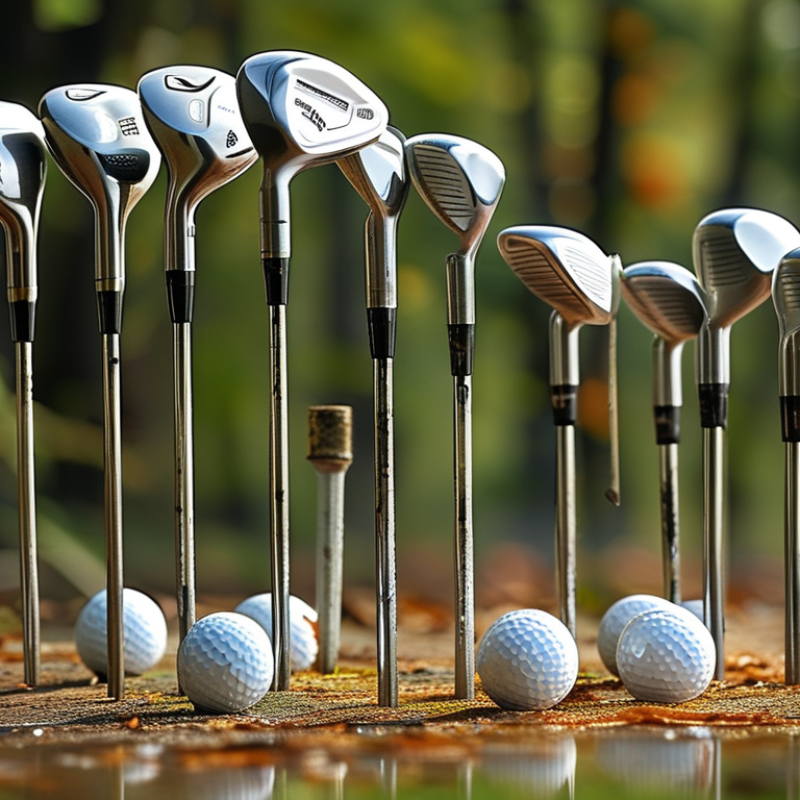
The lifespan of golf equipment is influenced by several key factors. Material quality plays a significant role. High-quality materials tend to withstand wear and tear better. Golf clubs made from durable alloys or composite materials last longer. Conversely, cheaper materials may chip or crack quickly.
Usage frequency also matters. Regular practice sessions or rounds of golf cause more wear on gear. A club used daily may need replacement sooner than one used occasionally. Environmental conditions, such as extreme temperatures or humidity, can also affect equipment durability. Exposure to moisture can corrode clubs, while excessive heat can weaken grips.
Finally, advancements in technology change the game. New club designs may offer better performance, making older models seem obsolete. Golfers should assess their equipment regularly and consider their game progression. Reflect on whether your current gear enhances your play or holds you back. Evaluate your needs and make informed decisions about replacements.
Golf clubs are essential for any serious golfer, but how do you know when it's time to let go of old equipment? Age and performance are critical factors. If your clubs show visible signs of wear and tear, it's probably time to consider a replacement. Look for dents, scratches, or any unusual discoloration on the clubface. These imperfections can impact your game quality and deserve attention.
Another sign to watch for is a decrease in performance. If your shots lack consistency or distance, your equipment could be the culprit. Pay attention to how the clubs feel in your hands. If they seem uncomfortable or heavy, it might indicate that they no longer fit your swing. This misalignment can affect your confidence and ultimately your game.
Lastly, watch for changes in technology and improvements in design. Golf equipment constantly evolves. If new technology offers better performance or comfort, consider upgrading. Staying informed about innovations can keep you competitive on the course. If you're unsure, consulting a professional for an evaluation can provide valuable insights into the state of your equipment.
Maintaining your golf equipment is crucial for performance and longevity. Regular inspection of your clubs, bags, and balls can uncover hidden issues. Check for dings and scratches on the clubheads. These imperfections can affect your swing and, ultimately, your game.
Cleaning your golf clubs after each round is essential. Use a soft brush to remove dirt from the grooves of the clubface. This helps maintain the grip on the ball. Store your gear in a cool, dry place to avoid rust and damage. Don't overlook your golf shoes either; dirty spikes can slip during your swing.
It's easy to forget about maintenance. Many golfers only focus on replacing gear when performance drops. In reality, neglecting regular care can lead to faster wear. Consider a routine for checking your equipment every few weeks. Small steps now can save you money in the long run.
| Equipment Type | Recommended Replacement Frequency | Maintenance Tips |
|---|---|---|
| Driver | Every 3-5 years | Store in a cool, dry place; clean regularly; check for signs of wear. |
| Irons | Every 5-7 years | Clean with warm water and soap, polish clubs; replace grips as needed. |
| Wedges | Every 3-5 years | Inspect for grooves wear; keep clean to maintain spin. |
| Putter | Every 5-10 years | Keep head and face clean; store flat, not on the ground. |
| Golf Balls | Every 1-2 rounds or as needed | Check for scuffs or cuts; replace if performance drops. |
| Golf Bag | Every 5-10 years | Wipe down after use; check zippers and straps regularly. |
Regularly updating your golf balls is crucial for maintaining optimal performance. According to industry studies, golfers should consider replacing their balls every 50 to 100 rounds, depending on conditions. Factors like course terrain and individual playing styles affect ball durability. A worn ball can drastically change distance and spin, leading to frustrating outcomes on the course.
In 2026, pay attention to feel and performance. Many experts suggest that after approximately two months of heavy play, balls lose their responsiveness. This is especially true in high-pressure conditions. Not all balls are created equal; some endure longer than others, but personal experience plays a significant role in determining when to switch. Players must stay aware of their game's necessities.
Replacing golf balls isn’t merely a guideline; it’s a strategy. Fresh balls provide increased accuracy and distance. An older ball may not perform as expected, and a golfer can lose confidence over time. Incorporating regular checks on your equipment increases the potential for improvement. Trust your instincts, and assess the situation—sometimes, a new ball could be the key to unlocking better performance.
As we approach 2026, the world of golf equipment is evolving rapidly, driven by technological advancements. Carbon fiber and advanced composites are transforming club design, offering players superior control and distance. Innovations in clubface engineering promise improved ball speed and accuracy, appealing to both amateurs and professionals alike. Golfers should consider replacing equipment to stay competitive and maximize performance.
Understanding the latest technology can be overwhelming. New materials and designs emerge frequently, often leading to confusion about what truly enhances performance. Golfers should assess their skills and preferences. Some may find value in updating their clubs every few years, while others might prefer a more conservative approach. It’s essential to find a balance that suits personal playing styles and budget constraints.
Moreover, although technology can enhance performance, there can be a learning curve. Players may struggle to adapt to new equipment. Familiarity with the feel and response of clubs is crucial. Being aware of one’s game and adjusting expectations is essential. The advancements could lead to improved scores, but reflection is also necessary. What worked before might not suit future needs. Keeping an open mind will help golfers make informed decisions.
: The lifespan is affected by material quality, usage frequency, and environmental conditions.
High-quality materials resist wear and tear. Cheaper materials may chip or crack more easily.
Yes, regular use leads to faster wear. Clubs used daily may need replacement sooner.
Extreme temperatures and humidity can weaken gear. Moisture may cause corrosion.
Regular maintenance can extend longevity and improve performance. It helps prevent hidden issues.
Inspect clubs for damage, clean after every round, and store in a cool, dry place.
Consider checking equipment every few weeks. Small maintenance can save money long-term.
Innovations like carbon fiber enhance control and distance, improving club performance significantly.
Evaluate your skills and preferences. Reflect on whether new gear would genuinely enhance your game.
Familiarize yourself with the feel of new clubs. Changing expectations is necessary for improvement.
In 2026, understanding how often should golf equipment be replaced is essential for maintaining optimal performance on the course. Several factors influence the lifespan of golf gear, such as frequency of use, playing conditions, and the quality of maintenance practices. Signs that indicate it's time to replace your golf clubs include noticeable wear, decreased performance, and changes in your swing dynamics.
Regular maintenance can significantly extend the longevity of your golf equipment, including cleaning and proper storage. It's also important to know when to update your golf balls, as they can degrade over time and affect your game. Additionally, keeping an eye on the latest technology trends in golf equipment can inform your replacement decisions, ensuring that you are well-equipped for improved performance and enjoyment in the sport.

Clyde Golf