Buying golf equipment in China can look simple until the wrong choices affect every swing. A shiny driver may promise extra distance, while a discounted iron set may appear impossible to refuse. Yet the cheapest option is not always the most suitable one. This is why golfers should ask, “what are the common mistakes when choosing golf equipment?” before paying at a shop or clicking an online order.
Tom Wishon, a respected golf-club designer and club-fitting specialist, has stated, “There is no such thing as a standard golf club.” His observation explains a frequent problem: players copy professional equipment without considering their own swing speed, height, hand size, or typical miss. A low-handicap golfer may need different shaft characteristics from a beginner who struggles to launch the ball. Even the grip size can change comfort and control.
This guide examines China’s ten most common golf equipment buying mistakes. It covers unsuitable club length, incorrect shaft flex, confusing forgiveness with distance, and ignoring professional fitting. It also considers counterfeit risks, incomplete beginner sets, and poor after-sales support. Some decisions seem reasonable in the store. They may feel different after eighteen holes.
Golfers often focus on appearance first. That is understandable, but not always wise. A beautiful club can still produce inconsistent contact. I have also seen players blame their swing before checking whether the equipment actually fits. The better approach combines testing, honest self-assessment, reliable specifications, and advice from a qualified fitter. Mistakes happen. Recognizing them early can protect both performance and budget.
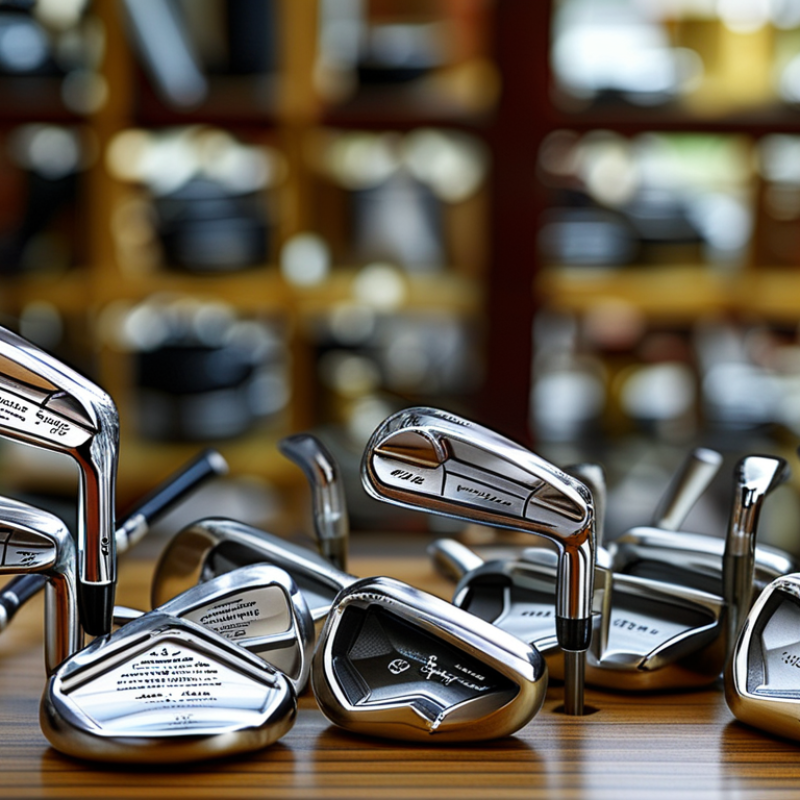
China Top 10 Common Golf Equipment Buying Mistakes?
Assessing Skill Level and Playing Needs Before Buying Golf Equipment
Many golfers in China buy equipment before understanding their actual game. A beginner may choose stiff shafts, low-lofted drivers, or advanced irons because they look impressive. These choices can reduce launch, distance, and confidence. A golfer should record common misses, average carry distances, swing speed, and typical course conditions. A fitting session can reveal useful facts, but one session cannot define every swing.
Skill level matters more than equipment appearance. Beginners often benefit from forgiving clubs with higher launch and wider soles. Intermediate players may need better distance control rather than maximum power. Low-handicap golfers should examine shot patterns, spin rates, and gapping between clubs. Do not copy a professional’s setup. Their strength, technique, and practice time are different.
Playing needs also depend on location and habits. A golfer using compact practice facilities may value easy-launching clubs and reliable short-game tools. Someone playing windy coastal courses may need lower flight options and stronger trajectory control. I once underestimated how much course wind affected club selection. That mistake made my recommendations too general. Test clubs outdoors when possible, and compare results under repeatable conditions. Ask a qualified fitter to explain the data, not merely suggest expensive equipment. Budget, injury history, practice frequency, and future goals should shape the final decision. The best choice is not always the newest one.
Skill level affects launch, distance, control, and forgiveness. Beginners often need easier-launching clubs. Impressive equipment may reduce confidence.
Record common misses, average carry distances, swing speed, and course conditions. Note whether shots usually slice, hook, or fall short. One good swing is not enough.
A fitting can measure shaft flex, loft, lie angle, length, and swing weight. It may reveal why the sole sits unevenly. One session cannot define every swing.
Test several flex options with your normal swing. A shaft that is too stiff may reduce launch. A shaft that is too soft may increase inconsistency. Test outdoors.
No. Their strength, technique, swing speed, and practice time may differ greatly. Copying a setup can create poor contact. Your miss matters more.
Compare carry distance, shot dispersion, launch, spin, and comfort. Use repeated swings instead of one powerful shot. One swing lies.
Windy courses may require stronger trajectory control and lower flight options. Compact practice spaces may favor forgiving, easy-launching clubs. I once underestimated coastal wind. My advice became too general.
Delay the purchase when your swing is changing or your practice routine is irregular. Check your budget and injury history. Retest later. More expensive is not always better.
Intermediate players may benefit more from distance control and consistent gaps. Low-handicap golfers should examine shot patterns and spin rates. Distance alone can hide problems.
Ask the fitter to explain the data, not just recommend costly equipment. Seek a second opinion when results seem unclear. I trusted one impressive drive before. That was poor judgment.
Buying golf equipment without first evaluating your skill level, playing frequency, and personal goals can lead to unnecessary costs and poor performance. One of the key questions beginners and experienced players should ask is, “what are the common mistakes when choosing golf equipment?” Common errors include selecting clubs without checking their length, loft, lie angle, shaft material, or shaft flex. Players may also choose golf balls based only on appearance or price, without considering swing speed, spin requirements, distance, and preferred playing style.
Another frequent mistake is overlooking the comfort, durability, and practical value of accessories such as gloves, shoes, bags, and training tools. Purchasing the cheapest option may result in discomfort or early replacement, while paying more does not always guarantee better suitability. Golfers should compare prices carefully, verify product authenticity, understand warranty terms, and confirm the availability of reliable after-sales service. A thoughtful buying process helps players choose equipment that matches their abilities, supports improvement, and provides better long-term value.

 Clyde Golf