Custom golf gear is moving from tour vans into everyday fitting studios. The reason is practical: golfers want clubs that suit their swing, body, and playing conditions. The National Golf Foundation reported that 26.6 million Americans played golf on a course in 2023. That large player base gives suppliers room to serve distinct needs, from shorter shafts to adjusted lie angles and personalized grips. Participation figures do not, by themselves, prove demand for custom equipment. They do show why choice and fit matter to a broad market.
So, why is custom golf equipment becoming popular? Club designer and fitting authority Tom Wishon has long advocated matching club specifications to the individual golfer. Put as a paraphrase of that fitting principle: “Build around the golfer, not a generic standard.” Customization can help players address tangible issues, such as a clubhead that feels too heavy or a driver that launches too low. It also lets buyers choose finishes, logos, and materials that reflect their preferences. There is a trade-off: custom orders may need more fitting time and careful quality checks. For China’s golf gear suppliers, the opportunity is not simply to offer more options. It is to make fitting information clear, confirm specifications accurately, and deliver consistent products. A polished finish matters. So does the loft stamped on the club.
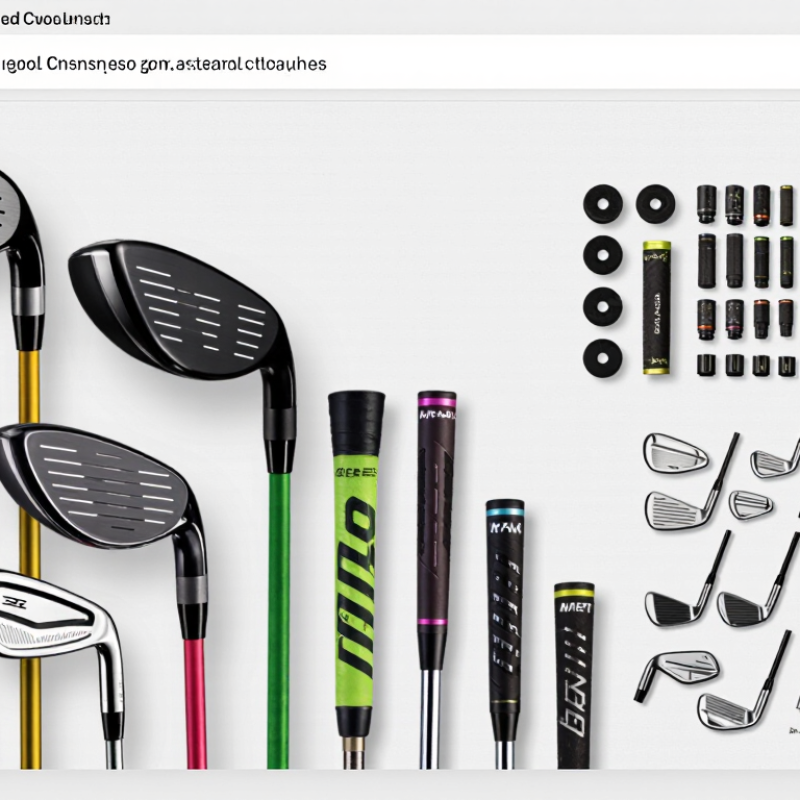
China’s golf-gear supply base is not one kind of factory. It includes specialist makers for bags, gloves, headcovers, tees, and club components, alongside broader sporting-goods suppliers. Some firms manufacture directly; others coordinate production through partner workshops. That distinction matters. A supplier’s catalog may look broad, while its strongest process is sewing or molding one category.
Buyers commonly work through OEM or ODM arrangements. OEM projects follow buyer-provided specifications; ODM suppliers adapt an existing design or product. Custom options can include fabric color, embroidery, pocket layout, grip size, packaging, or logo placement. Golf clubs, academies, retailers, and event organizers often want coordinated products or specific sizing. Yet custom work can mean extra sampling rounds and minimum order quantities. Not always. Check samples.
Before placing a bulk order, ask about materials, production capacity, inspection steps, and realistic lead times. Compare a pre-production sample’s stitching, dimensions, zipper action, and color in daylight. For performance-sensitive gear, confirm measurable specifications and check consistency across several units. A polished sample does not prove every shipment will match. That detail is easy to overlook.
China’s leading golf-gear suppliers are not interchangeable. Some focus on clubheads, shafts, or complete sets; others specialize in bags, gloves, training aids, and headcovers. Services vary too. One supplier may provide design files and logo customization, while another offers material selection, sample production, and export packaging. The National Golf Foundation’s 2024 report counted 26.6 million on-course golfers in the United States in 2023. This broad player base helps explain demand for different fits, materials, and price points. It does not guarantee every custom order will sell.
When comparing suppliers, request comparable samples: the same club specifications, bag fabric, logo method, and packaging. Ask about minimum order quantities, sample lead times, inspection steps, and defect handling. A broad-catalogue factory may be less flexible with small orders; a specialist may customize materials but carry fewer product categories. Those trade-offs matter. Product photos alone are not enough. Stitching, grip texture, and actual weight can feel different in hand, and I would want to inspect samples before deciding.
Tips: Send a one-page specification sheet. Confirm logo placement, color references, packaging, and inspection criteria in writing.
Golf buyers can customize more than a bag logo. Golf balls may carry printed marks, player initials, or alignment lines, though print durability should be checked with a sample. Club headcovers offer clear space for colors, stitched patterns, and numbers. Small details matter.
Bags can be tailored with embroidered panels, pocket layouts, and selected fabrics. Buyers should confirm dimensions and strap construction, since decoration cannot fix poor carrying comfort.
Towels, gloves, tees, umbrellas, and divot tools also allow practical changes, such as woven labels, grip colors, or printed designs. Apparel adds options for fabric, fit, and embroidery, but sizing can vary between suppliers. Request a size chart.
A physical sample helps reveal stitching quality, color differences, and how a logo looks under daylight. Ask about minimum order quantities and repeat-order consistency before approving production.
Customization takes time. It can also add cost, and not every feature improves performance. A highly decorated item may look appealing in a catalog, yet feel less useful on the course. Keep the player’s routine in mind when choosing what to personalize.
Custom golf gear is popular because it can match how a player actually practices and plays. Brands can choose grip sizes, shaft options, colors, and bag layouts that suit a specific audience. A slightly thicker grip may feel steadier in a player’s hands, while a lightweight stand bag can make a long walk less tiring. Small changes matter.
For brands, customized details help create a consistent product identity without relying only on logos. They can also respond to practical feedback, such as pockets that are hard to reach or club covers that slip off. But customization is not automatically an improvement. Extra options can raise costs, and a design that looks good on screen may feel awkward on the course.
Tips: Test samples with different players before ordering. Check grip comfort, stitching, zipper access, and weight. Keep notes; feedback can be inconsistent.
Players often value gear that feels personal and dependable. A chosen color or embroidered detail can add meaning, but comfort and durability usually matter more over a full round. Brands should explain materials and care clearly, then check that repeated production runs feel consistent. This takes patience. Even careful testing can miss something, so leave room to revise.
When evaluating a Chinese supplier for custom golf gear, look beyond a polished catalog. Ask which products the factory makes in-house and which it outsources. A supplier may handle golf bags well but lack experience with gloves or headcovers. That distinction matters.
Request a sample made to your specifications, not just a stock item. Check zipper movement, seam consistency, fabric feel, logo placement, and pocket access. Small details count. Share a clear spec sheet with dimensions, materials, colors, and acceptable tolerances. Ask how the supplier checks these details during production, and request photos or inspection records from a recent order. A sample can still differ from bulk production, so agree on how changes will be approved.
Discuss minimum order quantities, lead times, packaging, and the cost of revisions before paying a deposit. Ask for a written quotation with each cost item separated. Check whether the supplier can provide material information and relevant quality documents, then verify that they match the actual product. Communication is useful evidence too: do replies address your questions, or stay vague? One caution: the lowest quote may leave out testing, packaging, or sampling fees. Even a careful evaluation cannot remove every risk; document decisions and confirm critical details in writing.
Suggested evaluation weights for comparing suppliers. These are a practical scoring framework, not results from a market survey.
Prioritize product quality and customization capability, then verify compliance, lead times, and total landed cost with samples and written documentation.
Some focus on clubheads, shafts, or complete sets. Others make bags, gloves, training aids, or headcovers. Services and customization options vary.
Request samples made to your specifications, not just stock products. Compare materials, dimensions, logos, and packaging. Photos alone are not enough.
Move each zipper and inspect the seams. Feel the fabric and grip, check pocket access, and confirm the logo placement. Small details count.
Ask which products it produces directly and which it outsources. A supplier may handle bags well but have less experience with gloves.
List dimensions, materials, colors, logo placement, packaging, and acceptable tolerances. Confirm important details in writing. I might still miss something.
Ask about minimum order quantities, samples, revisions, packaging, and lead times. Request an itemized written quotation. Not always included.
Ask about inspection steps and defect handling. Request recent inspection records or production photos, then agree how sample changes will be approved.
Not necessarily. Testing, sampling, or packaging fees may be missing. Even careful checks cannot remove every risk, so document decisions and review them.
China’s golf gear market includes manufacturers, wholesalers, and specialized suppliers offering equipment and accessories for different buyer needs. The top suppliers can vary in their product range, production capabilities, customization options, communication, and support. Buyers may be able to customize items such as golf bags, headcovers, apparel, gloves, and selected accessories, including choices of materials, colors, dimensions, and logo placement.
Why is custom golf equipment becoming popular? Custom gear helps brands create a consistent identity and allows players, clubs, and businesses to choose products that better suit their preferences and practical requirements. Before placing an order, buyers should compare product quality, sample availability, minimum order quantities, production timelines, pricing, customization details, and after-sales communication. Careful evaluation can help match a supplier’s capabilities with the intended design, budget, and order size.

Clyde Golf