Explore our premium product portfolio designed for high performance, dynamic feedback, and brand elevation.
The modern golf equipment ecosystem is undergoing a dramatic structural transformation. Historically viewed as a sport confined purely to local fairways and country clubs, golf has evolved into an analytical, data-driven, and highly accessible global phenomenon. At the heart of this growth is the rapid proliferation of off-course golf setups, virtual commercial simulators, and physical training centers. Consequently, golf swing trainers have transitioned from optional training aids into absolute core consumer items required by players of all skill levels.
According to recent global sports-tech market reports, the training aid segment is expanding at an impressive CAGR of over 6.2%. Brands are no longer competing solely on aesthetics; the modern golfer demands tools calibrated to precise physical laws. From tempo rods to hand positioning trainers, every device must act as an accurate biomechanical feedback mechanism. To satisfy this complex demand, consumer brands require industrial manufacturing partners capable of combining scientific precision, engineering stability, and deep material knowledge.
In athletic training, the golf swing is recognized as one of the most mechanically complex movements in sports. It requires seamless coordination of rotational power, balance, timing, and release angles. Swing training aids are specifically engineered to address this complexity by creating physical "limits" or tactile cues that reinforce correct posture and muscular habituation.
As a global brand or sports equipment distributor, sourcing sub-par training tools poses significant brand liability. Incorrect shaft flex, inaccurate weight distributions, or poorly aligned grip contours can cause physical strain or reinforce bad swing habits. This is why leading companies partner directly with advanced factories like Hangzhou Clyde Golf Co., Ltd., where product engineering aligns with biomechanical principles.
A powerhouse of advanced manufacturing and reliable supply chain integration, supporting global brands since 2014.
Bridging innovative design with scaled industrial manufacturing to yield unmatched supply chain resilience.
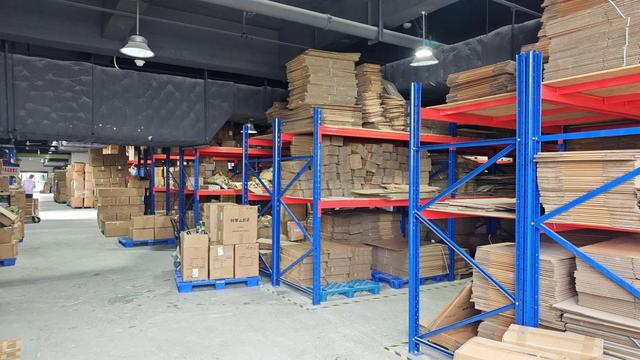
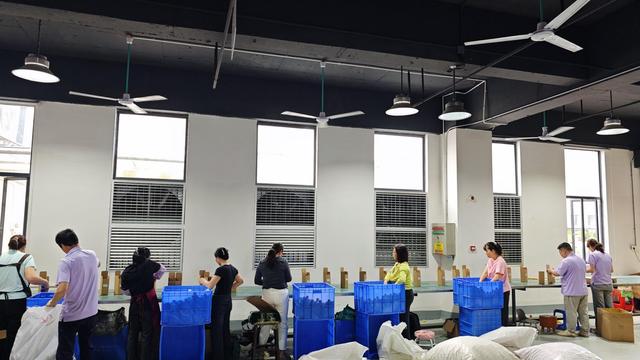
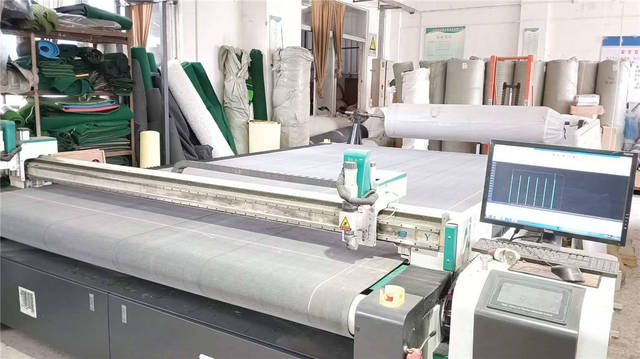
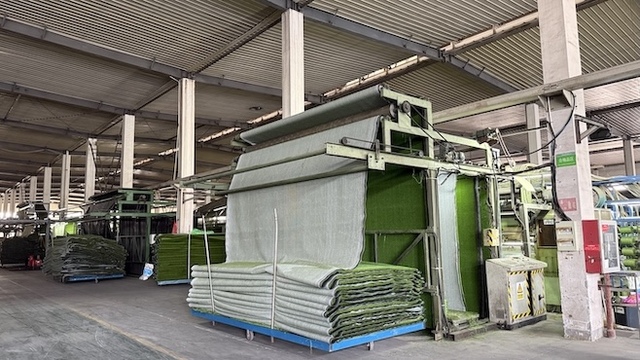
Operating over 10,000 square meters of modernized factory space in Hangzhou, China, equipped with precision injection molding machines, vulcanization systems, and advanced sewing technology.
An elite core of industrial designers and material engineers work alongside professional golfers to engineer and test products, taking ideas from concept to high-precision prototypes within days.
Located in the heart of China's prime manufacturing corridor, Hangzhou offers immediate access to raw material markets, leading steel factories, high-quality component suppliers, and world-class logistics.
Founded in 2014, Hangzhou Clyde Golf Co., Ltd. has grown to become an indispensable global partner in the golf training industry. By combining sophisticated computer-aided design (CAD) software, precision CNC machining, and rigorous physical testing, we deliver custom OEM and ODM solutions that empower top brands across North America, Europe, Australia, and Asia.
Our comprehensive capabilities allow us to manage every aspect of the production cycle: structural layout, selection of composite materials, eco-friendly rubber formulation, custom laser engraving, and custom-designed product packaging. Whether you are an established brand seeking a more reliable supply chain partner, or an innovative startup bringing a new design to life, our scalable production ensures consistency and performance.
An effective golf training tool relies on precise engineering. At Hangzhou Clyde Golf, our development process is guided by the core biomechanical principles of golf: kinetic linking, swing timing, and spatial control.
Flexible shaft trainers are designed to teach players how to properly load and release the club during their swing. Standardizing this behavior requires precise calibration of the composite fiberglass shaft's flex and torque properties. If the shaft flexes too easily, the swing timing feels artificial; if too rigid, it fails to promote the proper swing path. Our production line utilizes specialized flex-testing rigs that subject each shaft to a series of bend tests, ensuring consistent, repeatable performance.
Correct counter-weighting is essential for simulating the inertia of a standard driver or iron. We manufacture weighted trainers with adjustable mass configurations, using high-density stainless steel and brass components. By utilizing modular weight designs, brands can offer their customers a single device that adapts to multiple swing drills, providing dynamic progressive resistance as the player's strength and timing improve.
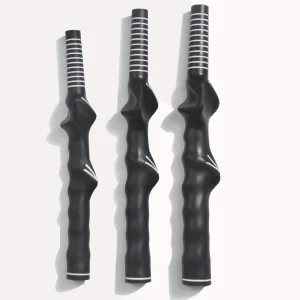
Building proper muscle memory starts with the grip. We specialize in producing custom ergonomic trainer grips that encourage proper hand placement. Utilizing premium injection molding with high-grade TPR and hypoallergenic rubbers, we produce grip trainers that retain their shape and texture over years of heavy use, providing comfortable grip feedback for players of all levels.
A closer look inside our modernized manufacturing facilities, where precision engineering meets high-volume production output.
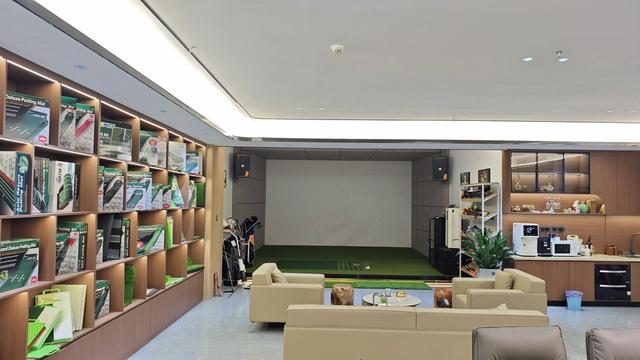
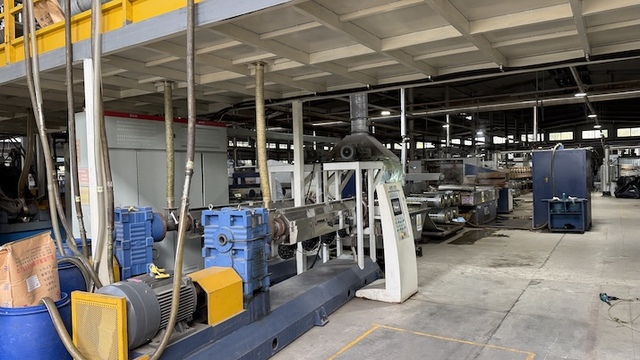
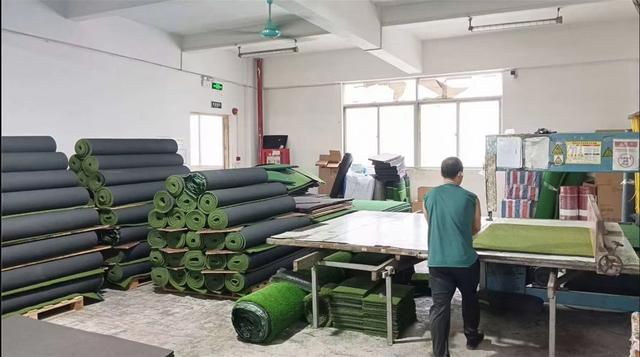
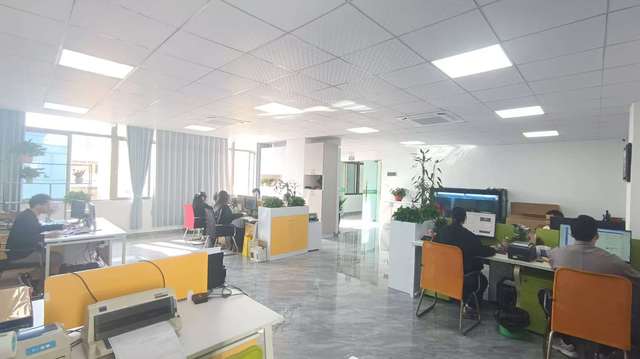
Designing dynamic, adaptable training aids that seamlessly integrate into diverse consumer and commercial settings.
Teaching professionals require durable, reliable tools that withstand hundreds of swings a day. Our swing trainers offer repeatable, consistent feedback, making them an excellent choice for instructional programs.
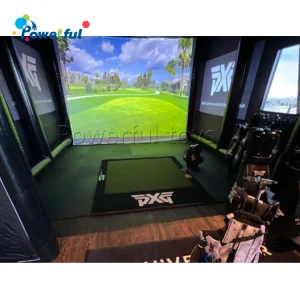
With home golf simulators growing in popularity, compact swing trainers allow enthusiasts to warm up and practice their mechanics in tight indoor spaces without risk of damaging surrounding equipment.
High-quality custom-branded accessories and trainers are incredibly effective high-end corporate gifts. Our customizable packaging and precise laser logo engraving help premium companies elevate their brand presence.
Procurement teams are constantly balancing three key demands: product quality, cost control, and delivery speed. Navigating manufacturing logistics requires a partner who values clarity, consistency, and professional standards. Here is how we ensure smooth cooperation from start to finish:
Our collaboration begins with a comprehensive technical consultation. During this phase, we discuss custom parameters such as flex behavior, torque requirements, weight distribution, and design aesthetics. Our engineering team utilizes advanced software to translate these ideas into detailed 3D CAD files within 72 hours, helping you quickly visualize the final product.
Once the CAD file is finalized, we proceed to build custom steel molds for structural plastic and rubber parts. Leveraging in-house CNC machining and EDM technology, we maintain strict control over mold tolerances. This results in consistent, repeatable production with minimal mold flashing, which is critical for smooth grip surfaces and strong mechanical joints.
We source raw materials from vetted, reliable suppliers to ensure consistent performance. Whether it is premium eco-friendly TPR, composite glass-fiber shafts, or high-tensile fasteners, every batch of material is checked before entering our assembly lines. This helps prevent manufacturing defects and ensures your products meet international safety and environmental regulations.
Every product we manufacture is subject to rigorous quality control procedures. Our testing lab conducts stress, impact, fatigue, and environmental exposure testing to simulate years of real-world use. We verify tolerances and cosmetic finishes on every single batch, ensuring that the products arriving at your warehouse are ready for retail shelves.
Get answers to common technical, manufacturing, and logistical questions from our senior product specialists.
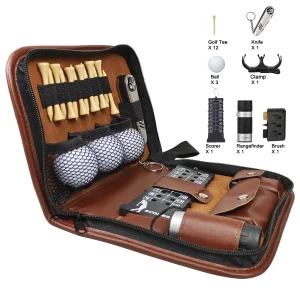
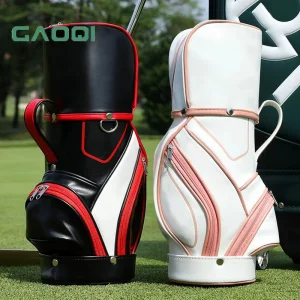
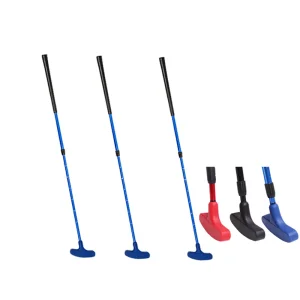
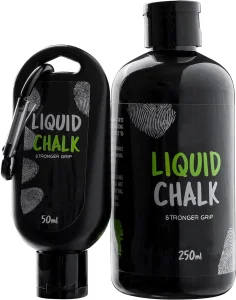
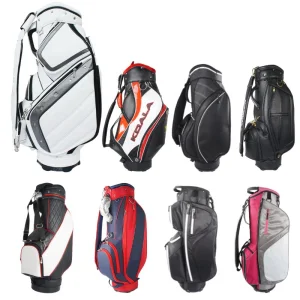
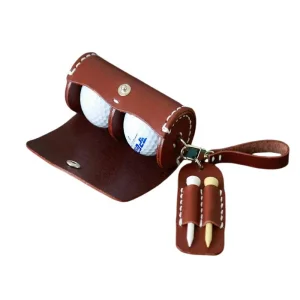
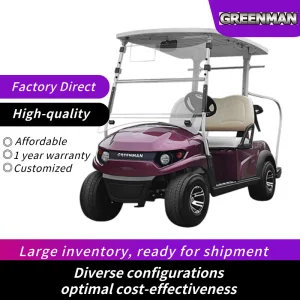
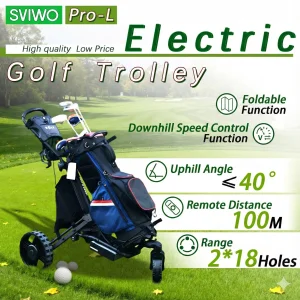
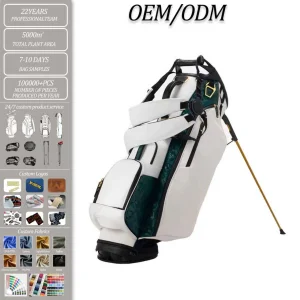
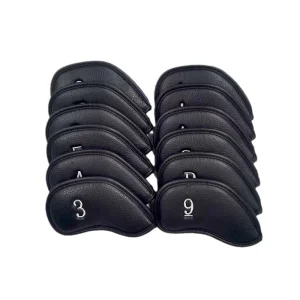
Complete your catalog with high-quality bags, electronics, training tools, and custom accessories manufactured to exact standards.
 Clyde Golf