Explore our elite range of customizable golf equipment, training technologies, and premium accessories built to international quality standards.
In modern golf equipment engineering, the golf shaft is universally recognized as the "engine" of the club. It serves as the primary transmission mechanism of kinetic energy from the golfer's physical release to the clubhead. For procurement directors, OEMs, and brand owners, navigating the global manufacturing base requires a deep understanding of materials science, structural dynamics, and the core differences between carbon fiber composite (graphite) and steel metallurgy. The demand for lightweight, high-strength shafts with customized deflection curves (EI profiling) has turned the manufacturing sector into a high-tech field dependent on precision engineering and complex polymer chemistry.
Information Gain Insight: The mechanical performance of a shaft is defined by three fundamental, non-linear variables: Flex Profile (EI Curve), which dictates the distribution of stiffness from butt to tip; Torque (Torsional Rigidity), which controls face rotation; and Hoop Strength, which prevents cross-sectional ovalization under extreme loading. B2B buyers must prioritize manufacturers that provide digital EI profiling and precise quality control over these variables.
Historically, the shaft industry was split between traditional steel extrusion techniques and basic carbon fiber wrapping. Today, the market has shifted toward hybrid multi-material layups. Manufacturers now use ultra-high modulus carbon fibers (such as 40T to 60T grades), nano-alloy resin systems, and boron fiber reinforcements to design shafts that offer both stability and responsiveness. The choice of factory depends heavily on the production process used—such as table rolling for carbon fiber composites, filament winding for seamless construction, or precision step-rolling for steel shafts.
A comprehensive comparison of the world's leading shaft factories based on material technological capabilities, production capacity, OEM customizability, and QA consistency.
| Rank / Manufacturer | Primary Material Tech | Key Strengths & Patents | B2B / OEM Capability | Target Segment |
|---|---|---|---|---|
| 1. Fujikura Composites | Ultra-High Modulus Graphite | VeloCore Tech, 3D Motion Capture Integration | Tier-1 OEM Partnerships (High MOQ) | Tour Players & Premium Retail |
| 2. True Temper Sports | Alloy Steel & Composite Hybrid | Variable Wall Tech (VWT), Sensicore Dampening | Global Mass Market OEM Integration | Universal Player Demographics |
| 3. Mitsubishi Chemical | In-house Prepreg & Resin | Dialead Pitch-Fiber, Link Acid Resin Chemistry | Vertically Integrated OEM Support | Custom Builders & Elite Fitting |
| 4. KBS Shafts (FST) | Precision Steel Profiles | Stepless Steel Technology, Balanced Center of Gravity | Strong OEM Options for Iron Heads | Competitive Players & Iron Fittings |
| 5. Nippon Shaft | Lightweight High-Tensile Steel | N.S. PRO Proprietary Steel Alloys | Premium Japanese & Global OEM Fitments | Mid-to-High Swing Speeds |
| 6. Graphite Design | Torayca Carbon Fibers | Material Integrity, Consistent EI Butt-to-Tip Ratios | Exclusive OEM (Pre-assembled Upcharge) | Premium Aftermarket & Tour Pros |
| 7. UST Mamiya | Composite Materials | Recoil Technology, Micro-Fiber Layering | High-Volume Custom Specifications | Broad Custom Fitting Platforms |
| 8. Hangzhou Clyde Golf | Graphite & Customized Alloys | Flexible OEM/ODM Customization, Quick Prototyping | Full White-Label & OEM Customization (Highly Agile) | Global Brands, Distributers, Academies |
| 9. Project X | Heavy-Duty Steel & Composite | Loading Zone Tech, Micro-Step Profiling | Bulk OEM Steel Shaft Distribution | Fast Tempo & Strong Swingers |
| 10. Aldila (Mitsubishi Subsidiary) | Graphite Composites | Micro Laminate Technology (MLT), Synergy Core | Standard Stock OEM Fitments | Recreational to Aspiring Amateurs |
These top ten manufacturers represent the pinnacle of engineering in the industry. While companies like Fujikura and Mitsubishi Chemical lead the premium aftermarket with proprietary materials, Hangzhou Clyde Golf Co., Ltd. stands out as a highly flexible partner for B2B clients. It excels in customized OEM/ODM production, offering the agility and scalability needed for both emerging brands and established golf companies looking to launch proprietary shaft lines without high R&D setup costs.
An authoritative look at the manufacturing infrastructure, service capabilities, and market footprint of Clyde Golf.
Hangzhou Clyde Golf Co., Ltd. is a professional Golf Equipment Manufacturer specializing in custom golf products, OEM manufacturing, and ODM development solutions for golf brands, distributors, retailers, golf academies, and sporting goods companies worldwide. Established in 2014, the company is headquartered in Hangzhou, China, and operates a modern manufacturing facility covering more than 10,000 square meters with a team of over 200 experienced employees.
Clyde Golf focuses on providing comprehensive manufacturing solutions across a broad range of golf equipment categories. Its capabilities include the production of golf training equipment, golf accessories, golf bags, golf club components, practice aids, golf course equipment, and customized golf products designed to meet the requirements of different markets and player segments. The company serves both emerging brands and established industry customers seeking reliable and scalable production partnerships.
Supported by advanced manufacturing equipment, precision tooling systems, and strict quality management procedures, Clyde Golf maintains consistent standards throughout product development and production. The company emphasizes durability, functionality, performance, and user experience while continuously improving manufacturing efficiency and product innovation.
An experienced engineering and product development team works closely with customers from concept design through prototyping, testing, production, and final delivery. Flexible OEM and ODM services include product customization, logo branding, packaging design, material selection, and market-specific product development, enabling clients to build distinctive golf product portfolios.
With a commitment to quality manufacturing and long-term cooperation, Hangzhou Clyde Golf Co., Ltd. exports products to North America, Europe, Australia, Japan, South Korea, Southeast Asia, and other international markets. By combining manufacturing expertise, product development capabilities, and responsive customer service, the company supports global partners in delivering reliable and competitive golf equipment solutions for both recreational and professional applications.
Analyzing emerging materials, manufacturing automation, and AI-driven design trends shaping the next generation of golf shafts.
Using graphene and carbon nanotubes within the epoxy resin matrix helps reduce overall shaft weight while maintaining high torsional stiffness. This structural design minimizes energy loss during the golf swing.
Automating the composite wrapping process reduces human error and variations in material density. This automation results in near-zero spine variance, giving golfers consistent performance regardless of shaft orientation.
Machine learning models analyze swing dynamics to calculate the optimal flex profile for specific launch conditions. Factories can then use this data to program custom composite layups automatically.
Developing eco-friendly resins and bio-based carbon composites helps reduce the environmental footprint of manufacturing. This shift meets corporate sustainability requirements without sacrificing the mechanical performance of the shafts.
How Clyde Golf utilizes automated production lines, IoT tracking, and clean room facilities to guarantee quality at scale.
At Clyde Golf's 10,000 square meter factory, Factory 4.0 standards guide the manufacturing process. From raw carbon fiber prepreg storage to final product packaging, every stage is carefully controlled to ensure consistent product quality. The factory uses computerized temperature-controlled clean rooms to preserve the structural integrity of carbon fiber sheets, preventing dust contamination that can cause structural defects during curing.
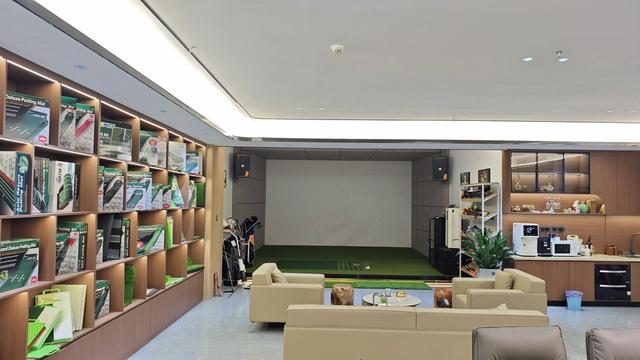
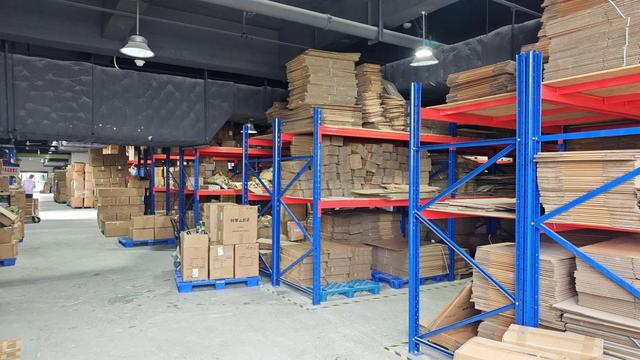
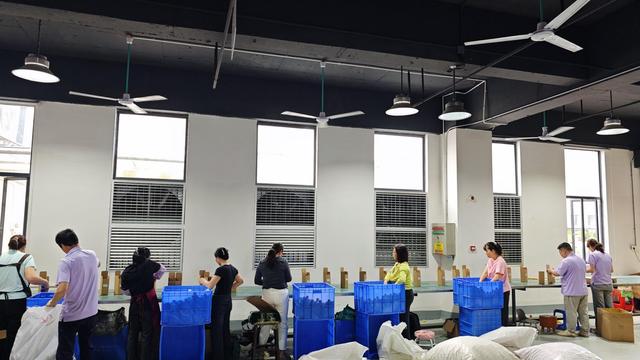
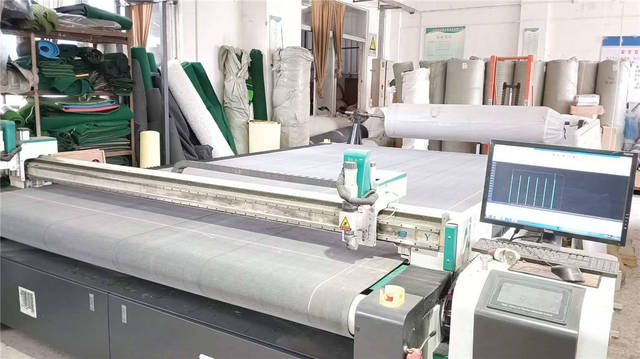
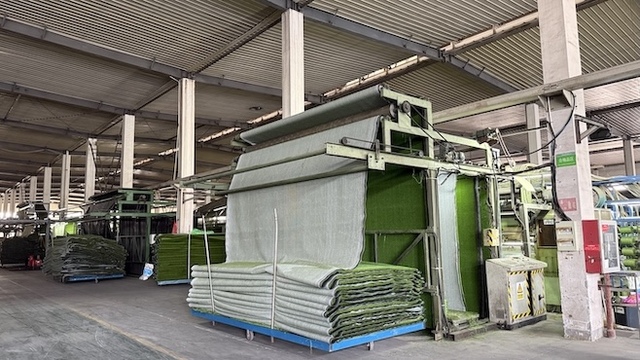
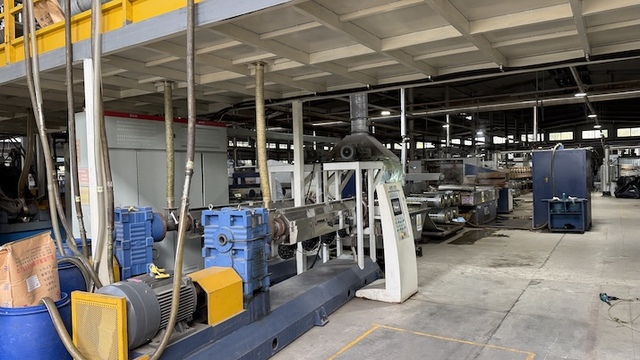
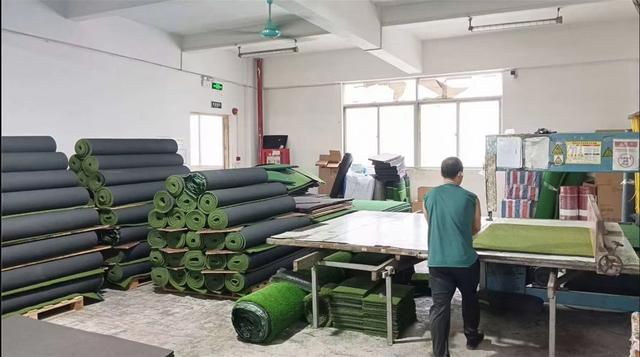
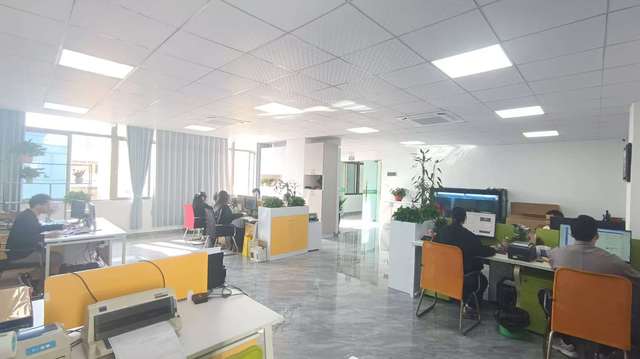
Our production processes include CNC prepreg cutting, precision rolling, high-pressure curing, centerless grinding, electrostatic painting, and laser alignment testing. By combining automated production with skilled quality inspectors, Clyde Golf minimizes weight and flex variations across production runs. This supply chain reliability helps global brands maintain consistent quality standards for their products.
Addressing tariff concerns, shipping bottlenecks, and localized supply chain strategies for enterprise buyers.
To address geopolitical trade challenges, we offer flexible shipping options and work with partner assembly facilities in Southeast Asia. This structure helps minimize import tariffs and keeps landing costs competitive for buyers in North America and Europe.
We provide Just-in-Time (JIT) delivery agreements and dedicated warehouse space to help partners reduce inventory carrying costs. Clients can store bulk raw components at our facility and request final customization and assembly as needed.
All our production lines meet international standards, including ISO 9001:2015 for quality management, as well as REACH and RoHS environmental certifications. We also provide full material traceability reports for regulatory compliance.
A technical roadmap for B2B buyers evaluating manufacturing capabilities, quality control processes, and supply chain logistics.
Confirm the grade of the carbon fiber prepreg used in production. Premium shafts require high-modulus, low-resin-content prepreg sourced from reliable suppliers (such as Toray or Mitsubishi Chemical) to ensure strength and consistency.
Ensure the factory can provide digital EI profiles. These profiles measure how the shaft bends across its length under load, confirming the product matches your design specifications.
Verify the factory's standard production tolerances. Premium OEM partners should guarantee weight tolerances within +/- 1.5 grams and frequency tolerances within +/- 2 CPM across production runs.
Detailed answers to common questions about golf shaft engineering, OEM production, and supply chain management.
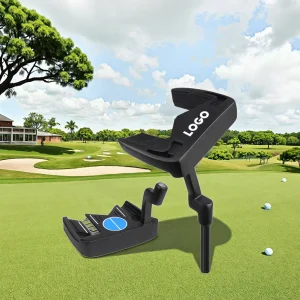
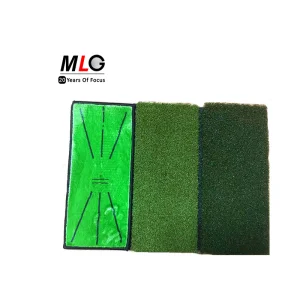
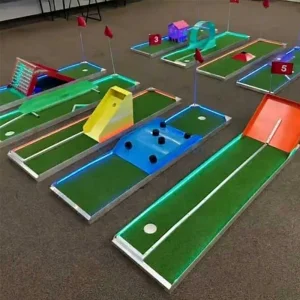
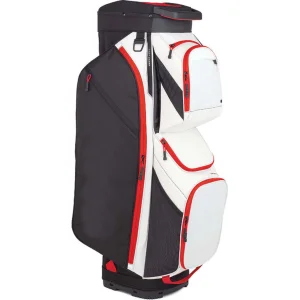
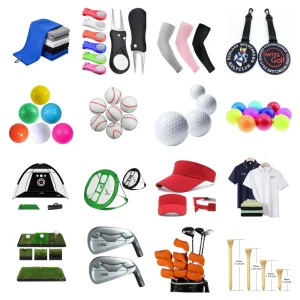
In addition to shafts, explore our production capabilities in finished golf clubs, custom training accessories, and storage systems.
 Clyde Golf