
The global golf industry is undergoing a structural paradigm shift driven by demographic diversification, digitalization, and localized demands. From a business-to-business (B2B) procurement standpoint, global sports brands, country club operators, and distribution networks are moving past basic product sourcing. Modern procurement mandates focus on dynamic supply chain resilience, certified sustainable materials (ESG compliance), and high-fidelity custom design capabilities. This white paper breaks down how China's advanced golf equipment factories are evolving to meet these demands.
Information Gain Metric: Traditional sourcing frameworks focus entirely on unit cost optimization. Modern global procurement strategies prioritize total cost of ownership (TCO), material performance reliability, and rapid prototyping capabilities. The gap between generic manufacturing and high-end OEM/ODM execution defines the competitive advantage of top-tier Chinese facilities.
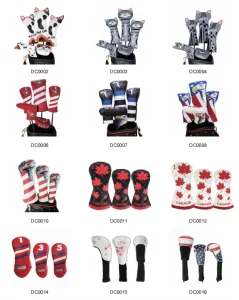
Enterprise golf procurement managers face challenges including volatile freight costs, fluctuating raw material prices, and evolving sustainability standards. Golf clubs and hospitality associations are no longer satisfied with generic equipment; they demand customized accessories that align with their brand identity. In response, top-tier Chinese manufacturers are implementing lean production lines and advanced material engineering processes.
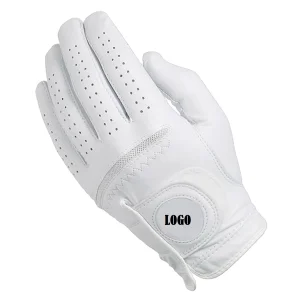
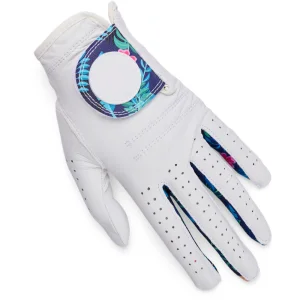
For instance, the adoption of premium Cabretta leather in professional gloves and biodegradable bamboo in tee manufacturing reflects a industry-wide pivot. Global buyers prioritize suppliers who hold certifications like ISO 9001, BSCI, and environmental audit compliances. This makes operational transparency and regulatory compliance key markers of trust (reliability and authority) in modern manufacturing partnerships.
Transitioning from plastics to high-performance organic bamboo and recycled polymers. Meeting global ESG mandates while maintaining structural integrity.
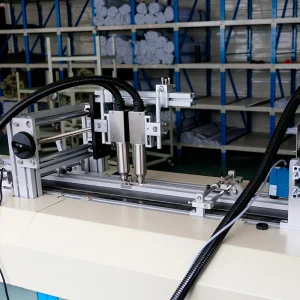
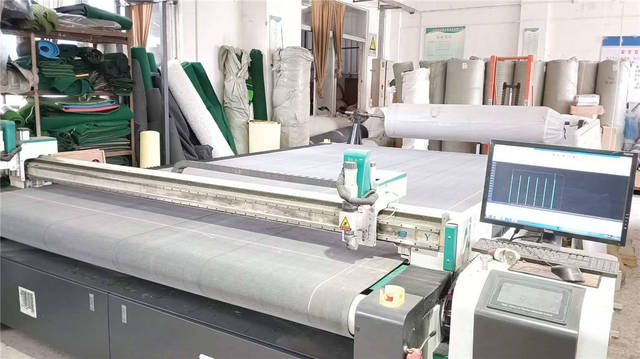
Integration of high-precision CNC processes, automated stitching, and plasma surface activation for advanced product bonding and finish.
Strategically optimized shipping hubs in Hangzhou and neighboring coastal ports. Decreasing global lead times and ensuring predictable delivery windows.
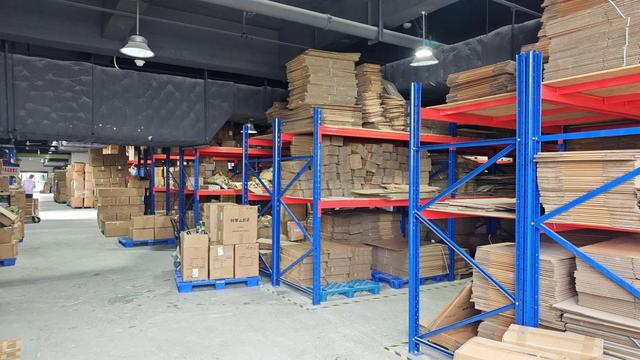
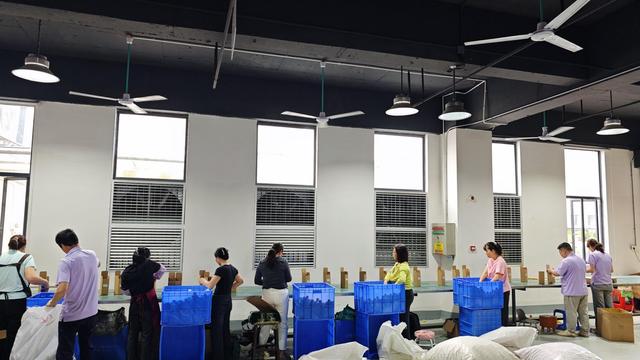
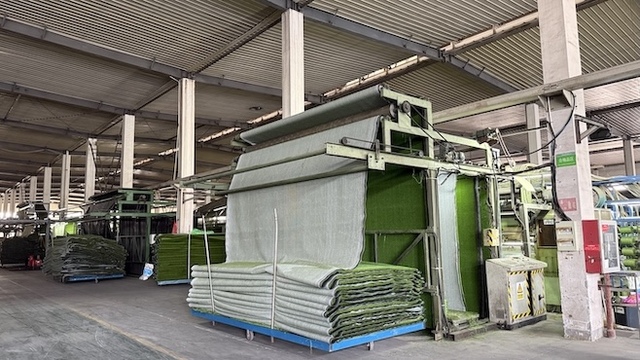
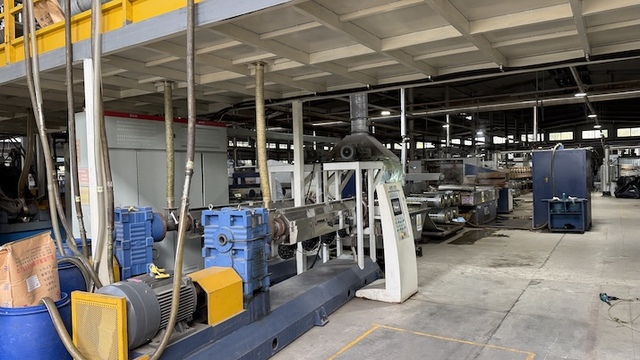
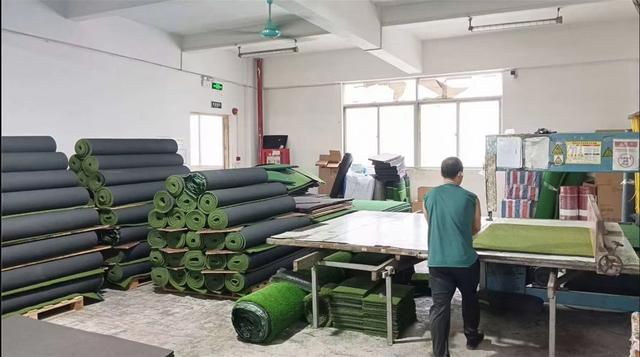
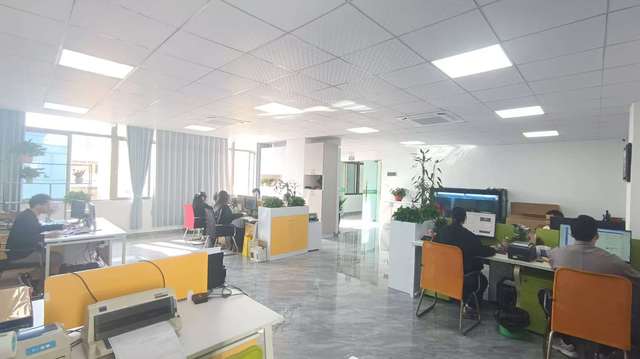
As a key partner in this market, Hangzhou Clyde Golf Co., Ltd. stands as a professional golf equipment manufacturer specializing in custom golf products, OEM manufacturing, and ODM development solutions. Established in 2014, the company is headquartered in Hangzhou, China, operating a modern manufacturing facility covering more than 10,000 square meters, supported by a team of over 200 experienced employees.
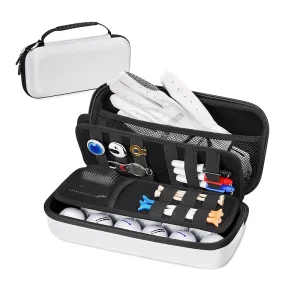
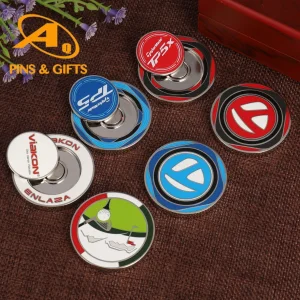
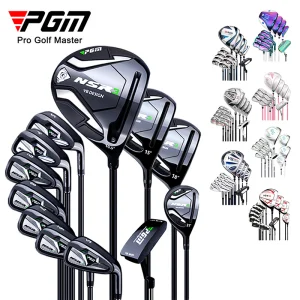
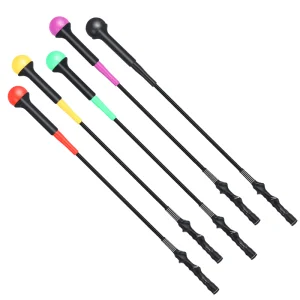
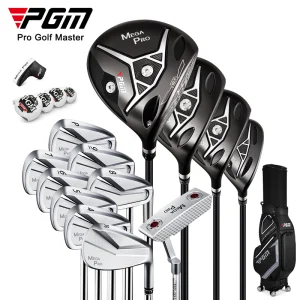
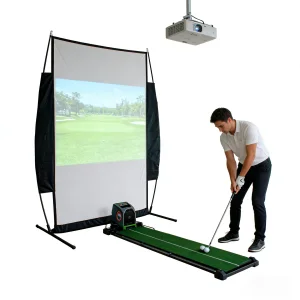
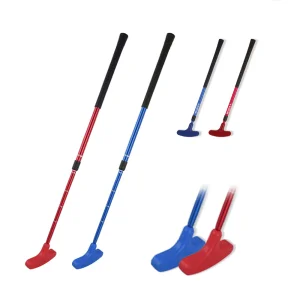
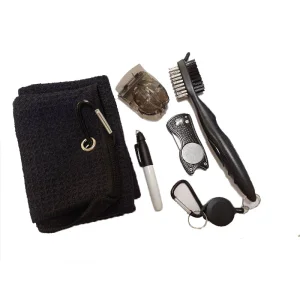
Clyde Golf provides manufacturing solutions across a broad range of golf equipment categories. Its capabilities include the production of golf training equipment, golf accessories, golf bags, golf club components, practice aids, golf course equipment, and customized golf products designed to meet the requirements of different markets and player segments. By combining manufacturing expertise, product development capabilities, and responsive customer service, Clyde Golf serves both emerging brands and established industry customers seeking reliable and scalable production partnerships.
The concept of "China Factory 4.0" goes beyond basic automation. It represents the integration of ERP systems, supply chain visibility, and advanced manufacturing processes. At Clyde Golf, manufacturing utilizes precision tooling systems, computer-guided stitching for premium leather gloves, and modern polymer molding. For technical golf accessories, processes like plasma surface activation ensure optimal adhesion, preparing components for high-stress applications on the course.
Operating in Hangzhou puts Clyde Golf within an established East China industrial cluster. This provides immediate access to high-quality raw materials (such as Cabretta leather, specialized structural composites, and packaging materials). Proximity to major ports like Ningbo and Shanghai enables streamlined logistics, helping global clients manage supply chain disruptions and maintain consistent inventory flow.
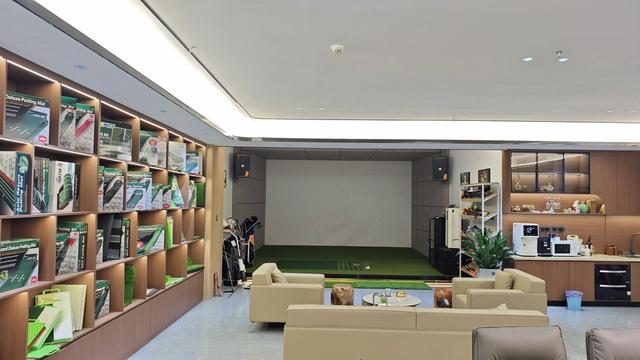
Golf courses, training academies, and corporate brands operate in distinct environments with specific equipment demands. Understanding these localized requirements is critical to selecting the right product specifications:
Selecting the appropriate materials directly impacts product lifespan and user experience. Below is a comparative overview of key materials utilized in our manufacturing processes:
 Clyde Golf