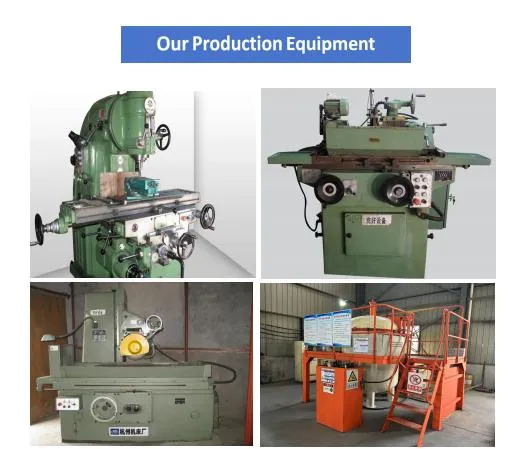
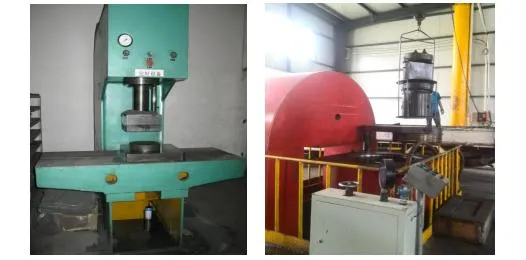
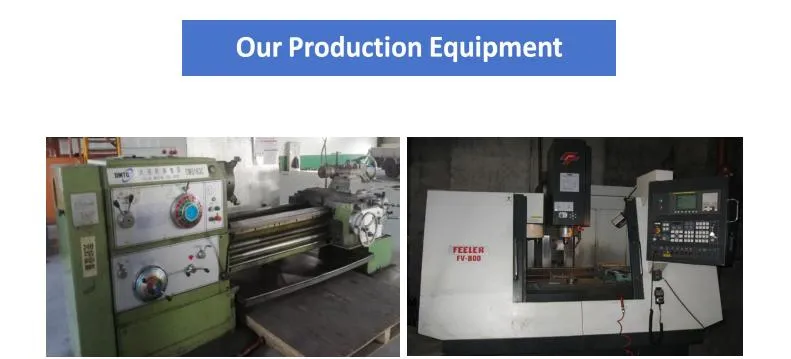
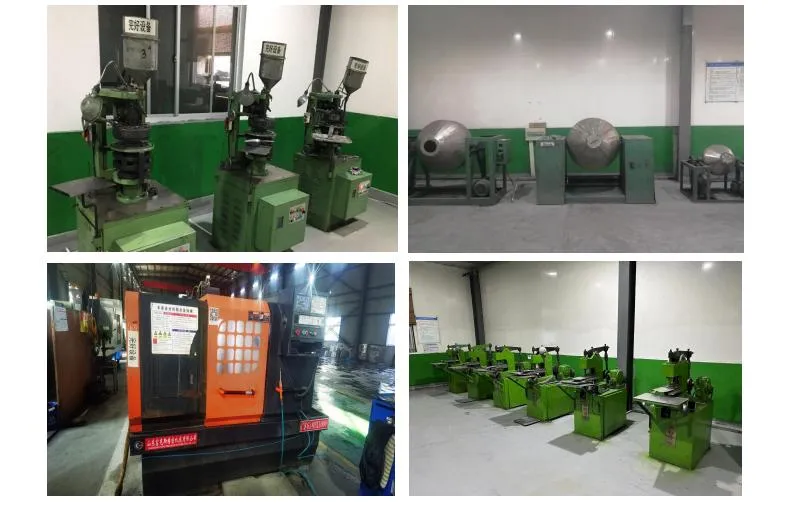
🏭
Manufacturing Capabilities
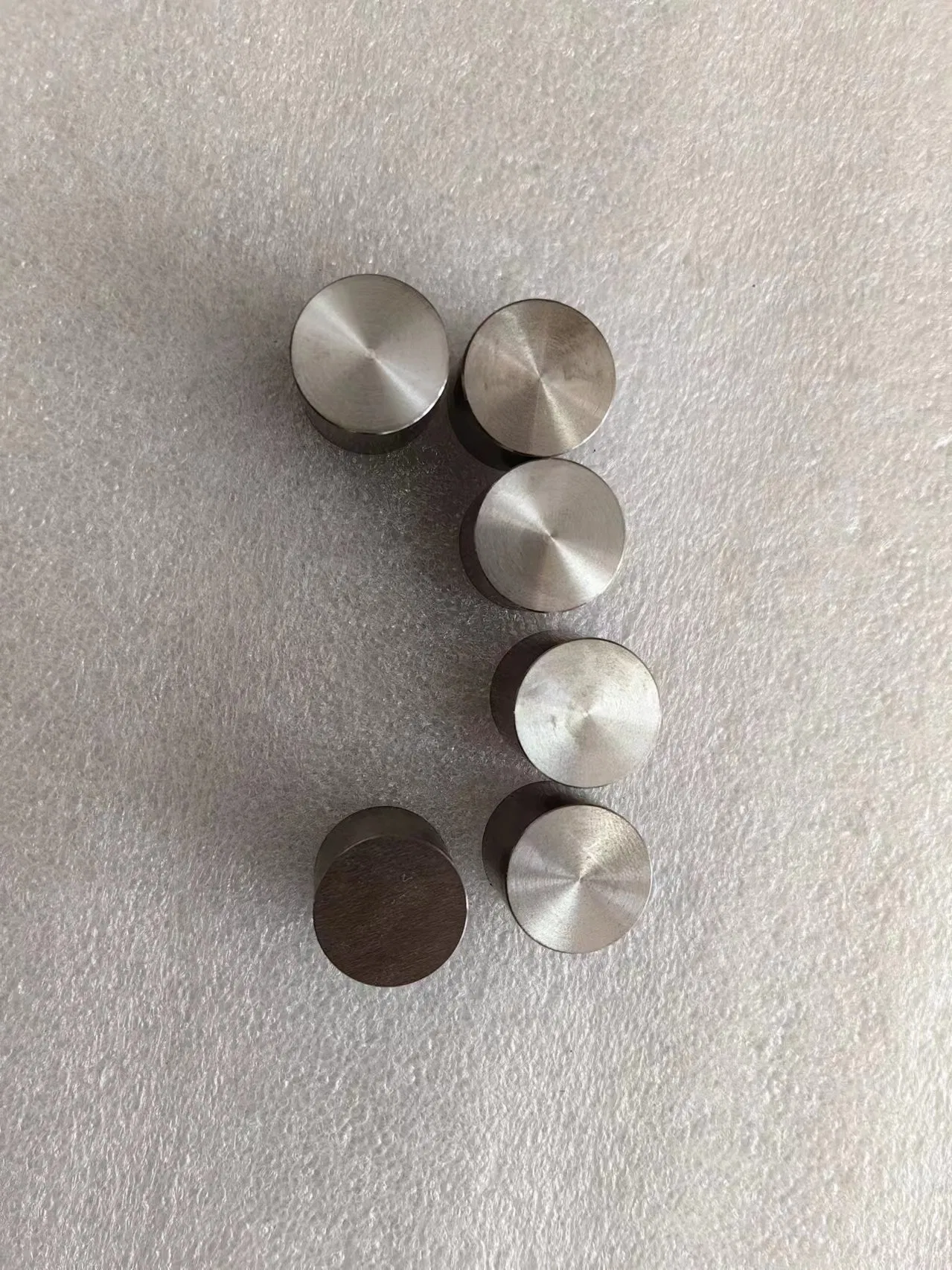
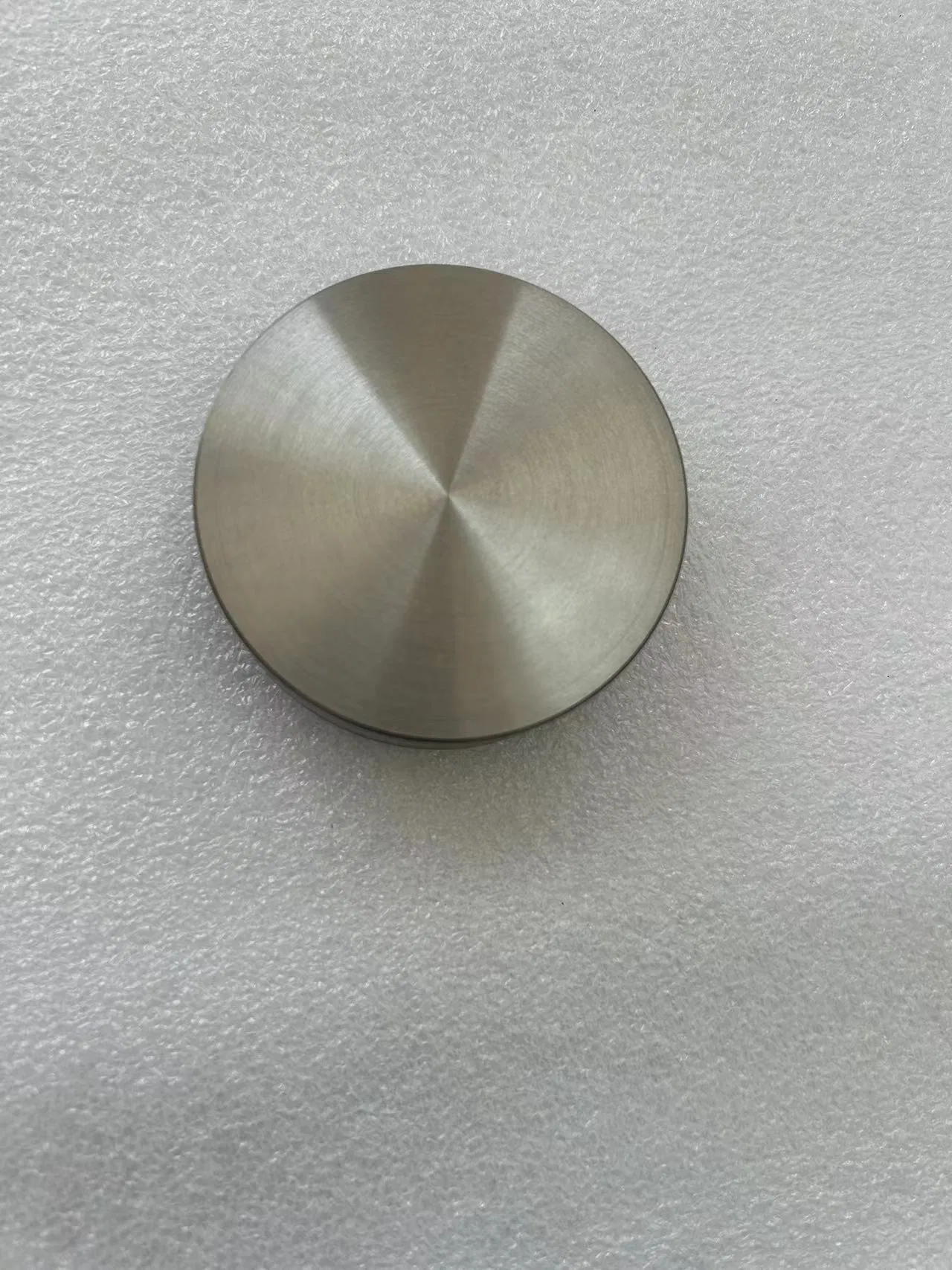
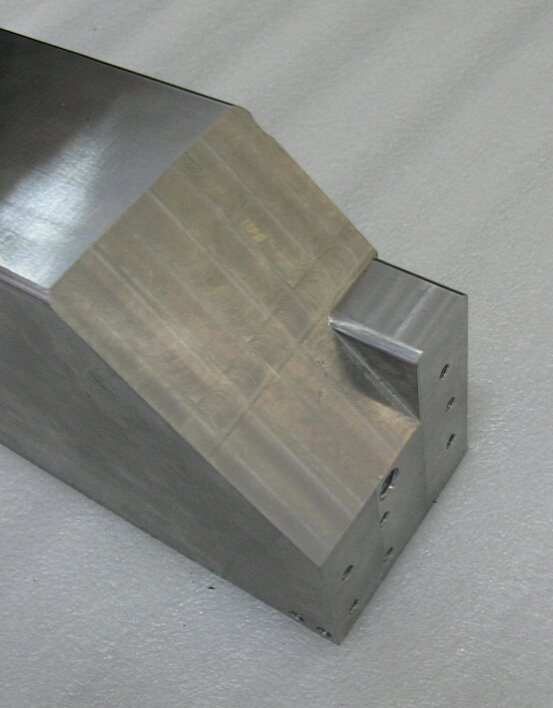
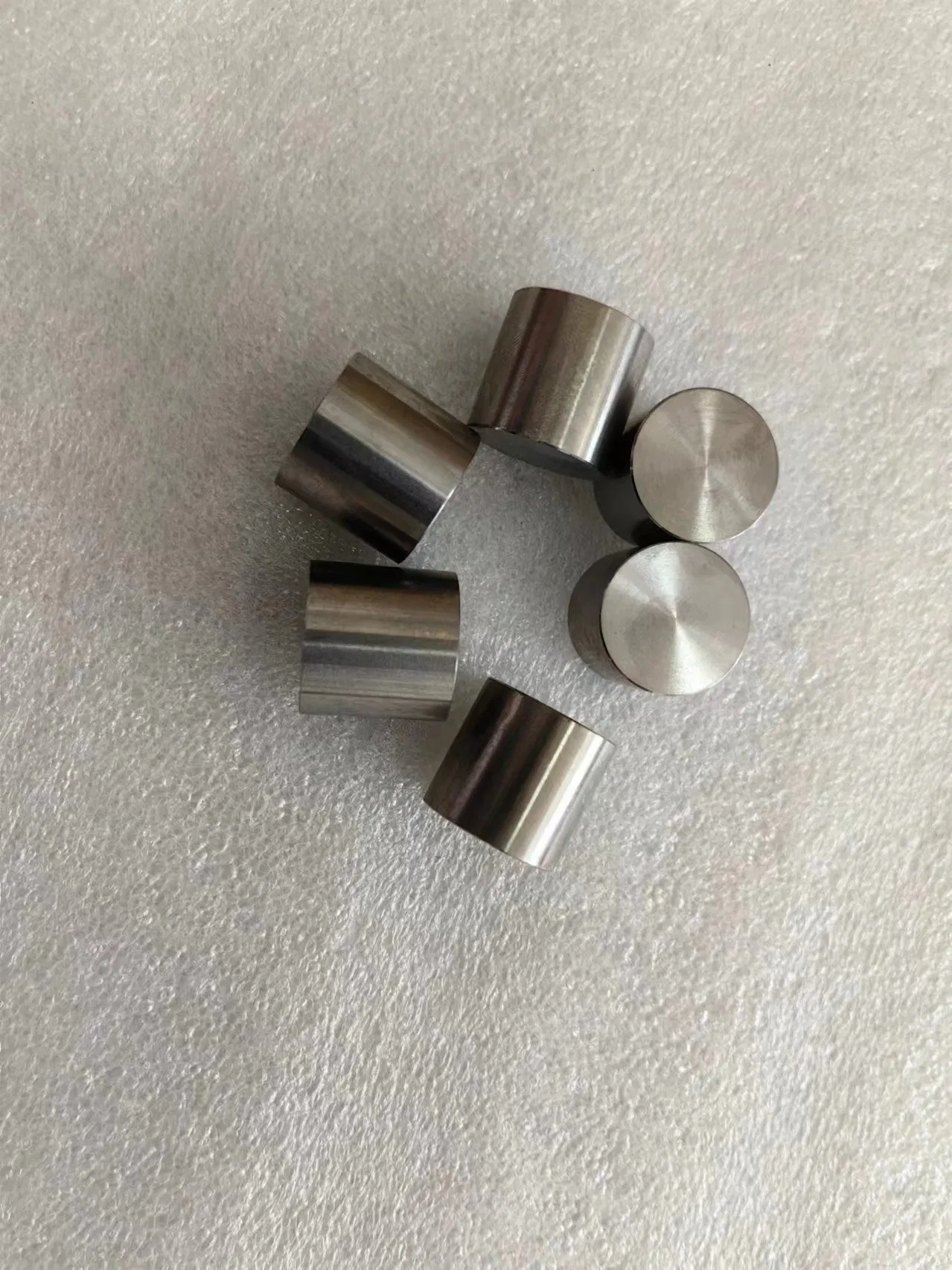
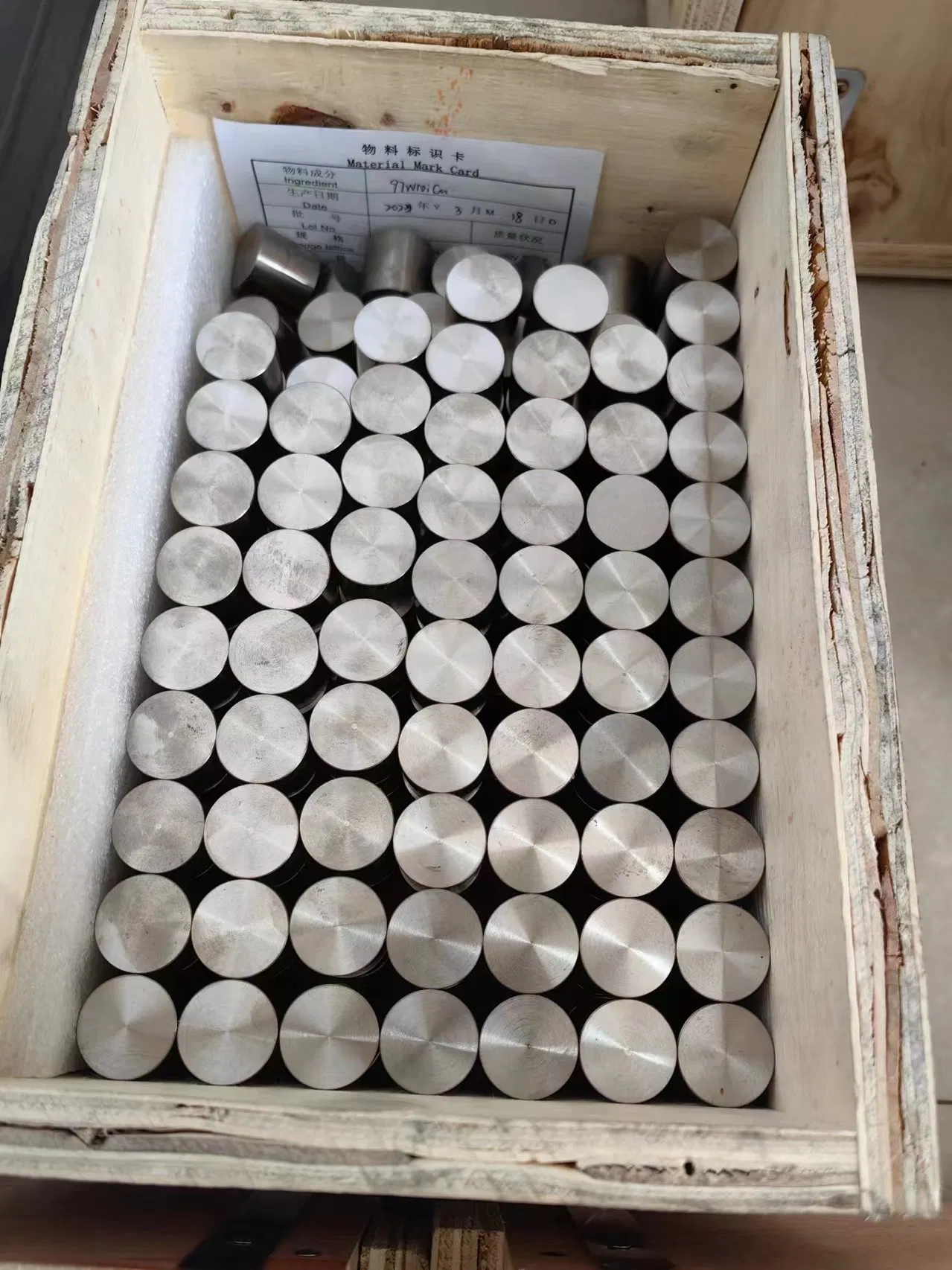
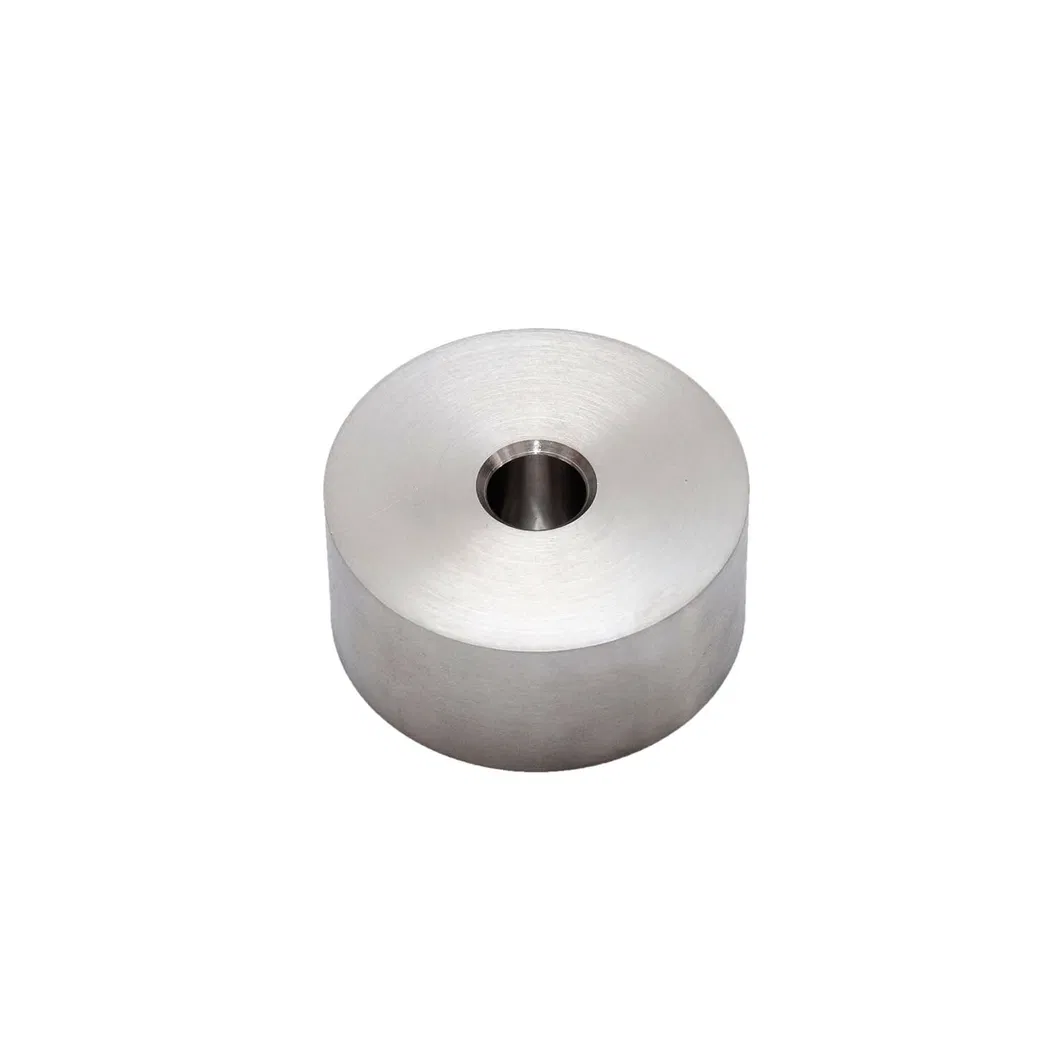
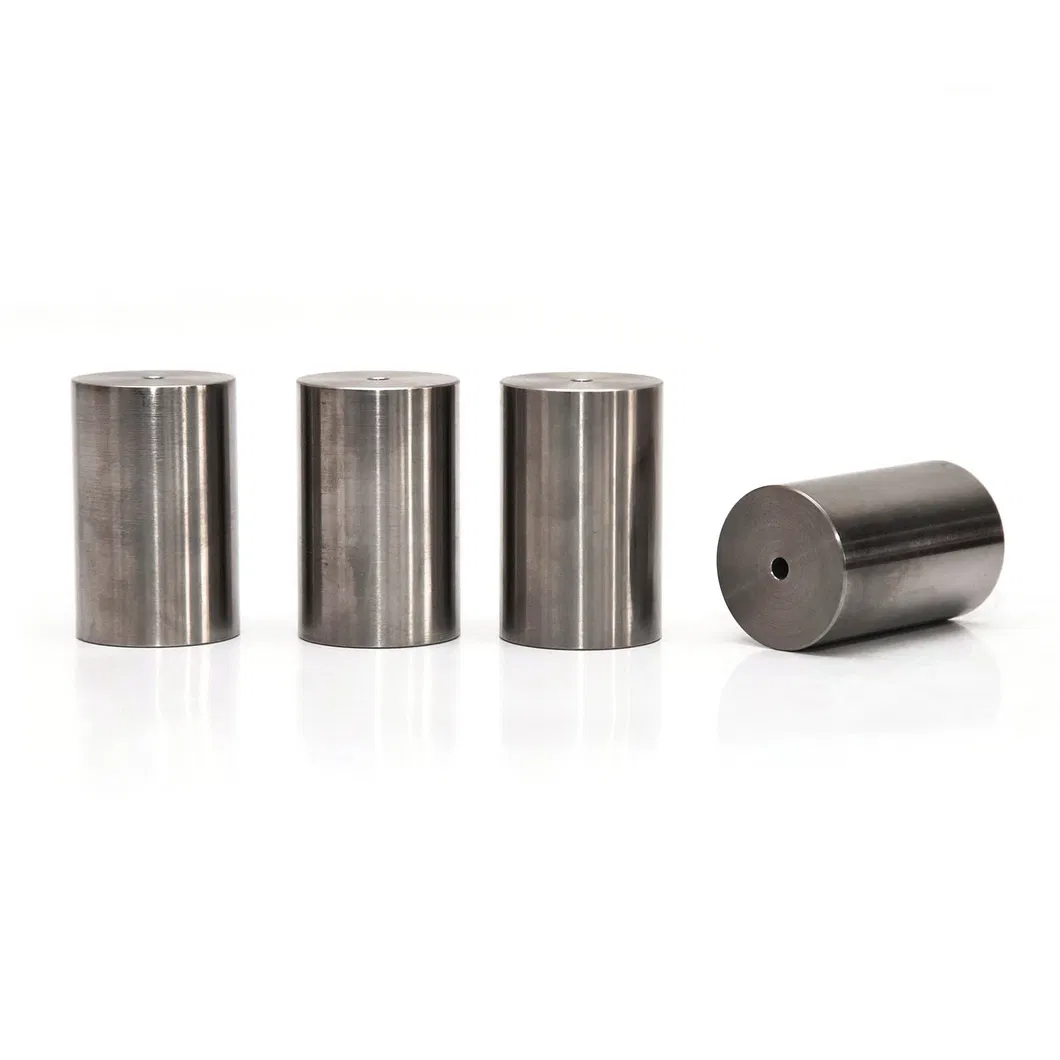
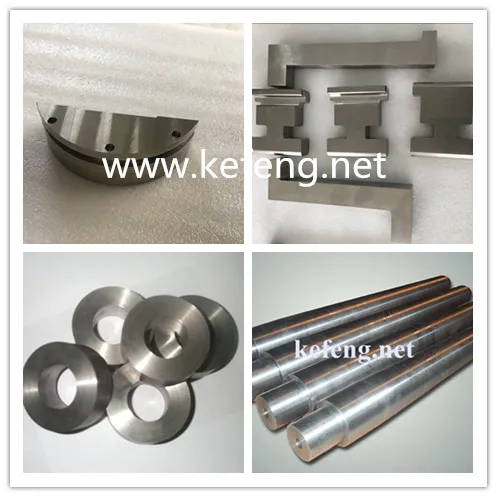
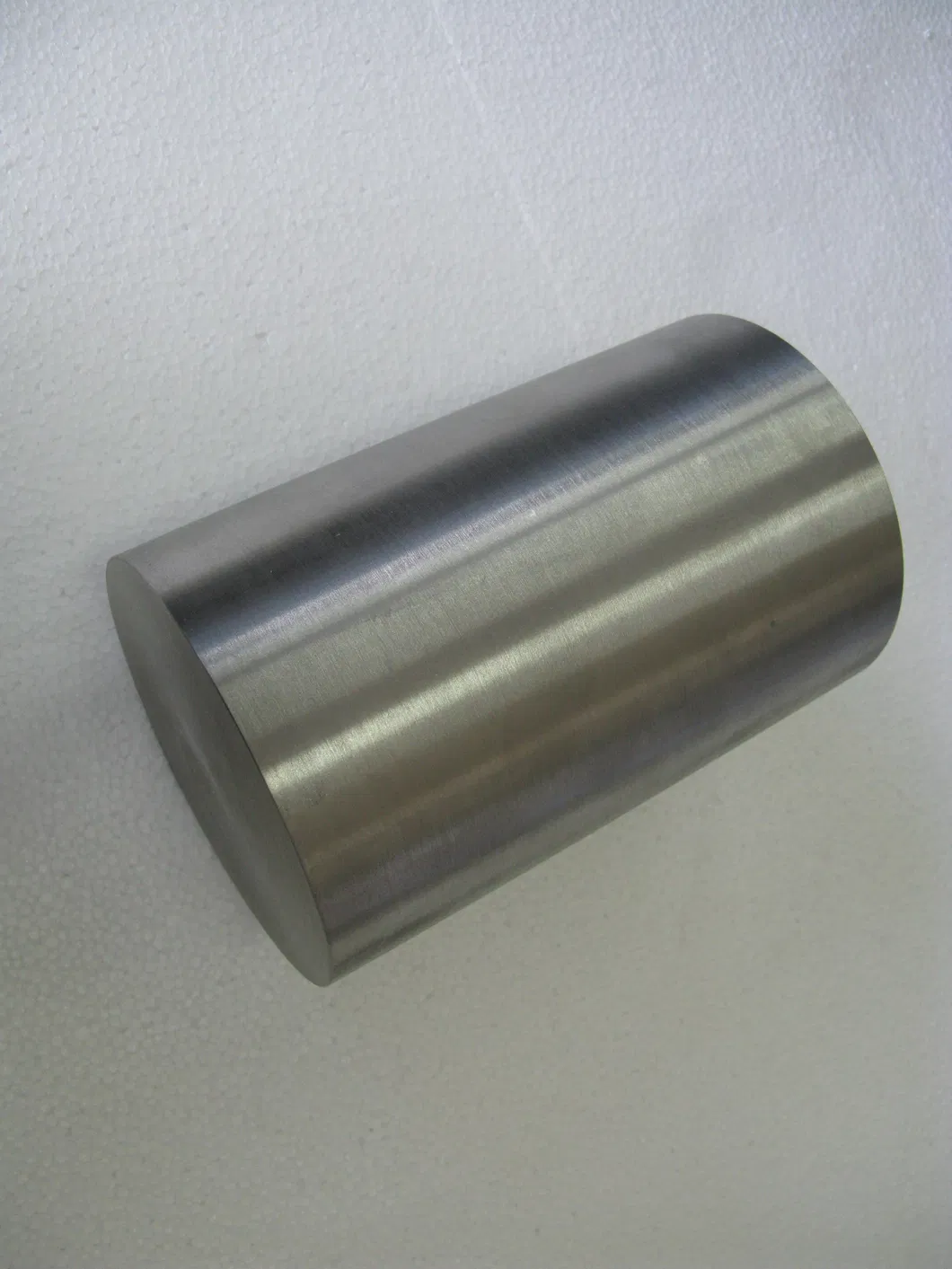
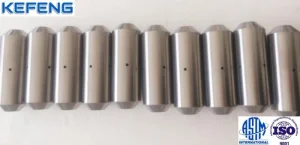
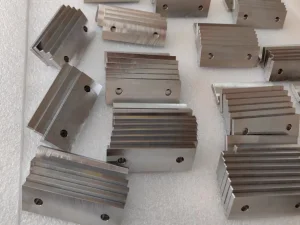
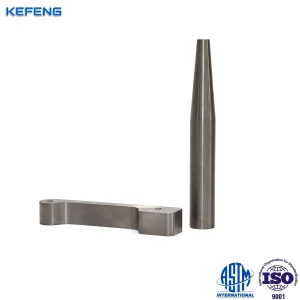
As an aerospace alloy manufacturer and supplier, we offer high-end precision refractory heavy tungsten alloy machining parts to customers worldwide. We test our products to the highest standards, ensuring superior industrial tungsten or tungsten alloys in the right specs for your needs. Aerospace clients utilize our metals for aircraft engines, landing equipment, parts requiring high temperature resistance, and exhaust systems.
🔧
Product Description & Features
Meeting the rapidly growing aviation market, we work closely with customers in developing and producing custom products per specific requirements and drawings. With over 25 years of experience in manufacturing high-performance materials, we dedicate ourselves to supplying exceptional quality materials. As an integrated manufacturer, we perform tight control of all processes from refining raw materials to delivering finished products.
Key Characteristics:
- Low thermal expansion
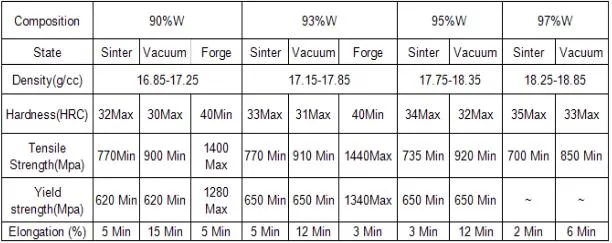
- High Density (16.85~18.85 g/cm³)
- Superior Radiation Absorption
- High thermal and electrical conductivity
- High arc resistance
- Exceptional Hardness and Wear Resistance
- High ultimate tensile strength & good extension
- Corrosion and shock resistance
- Non-toxic environmental protection
🚀
Industrial Applications
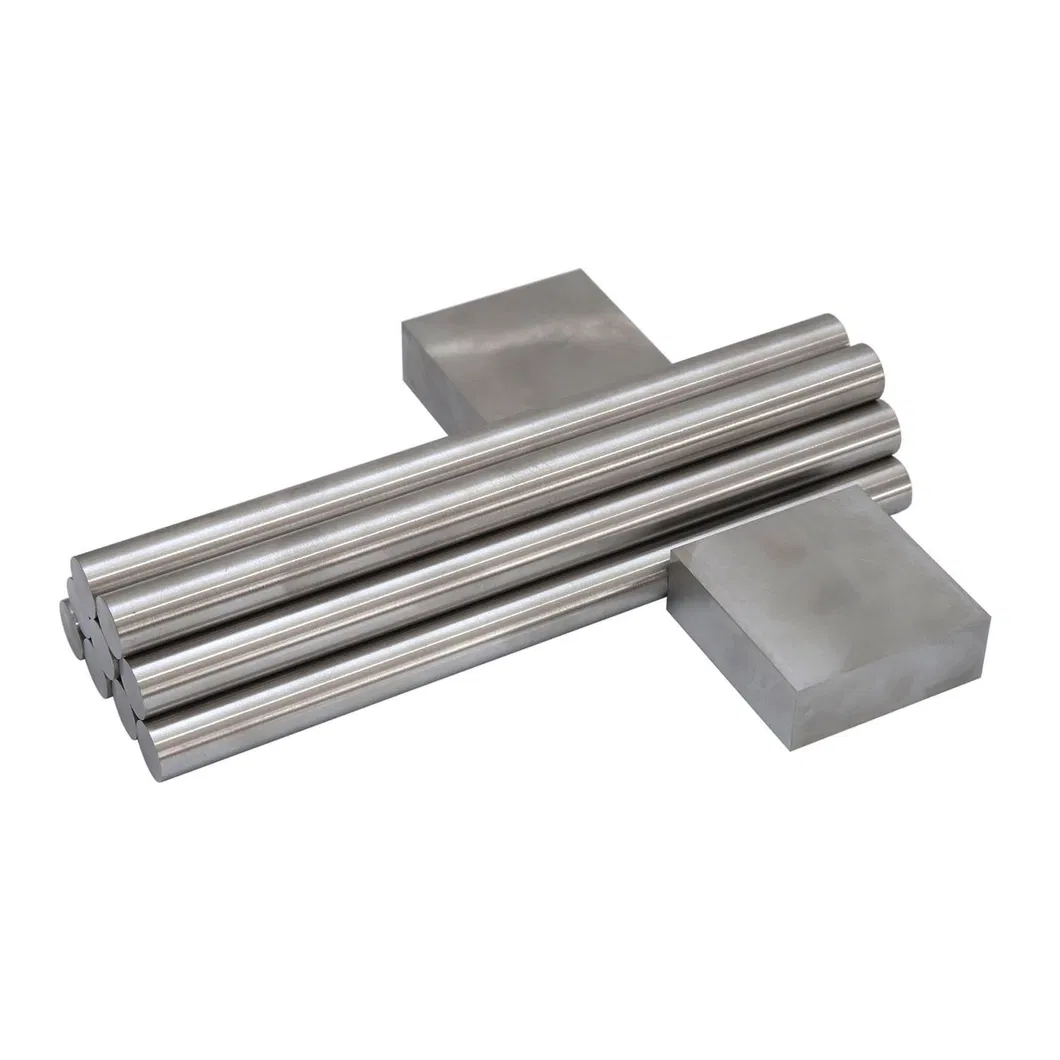
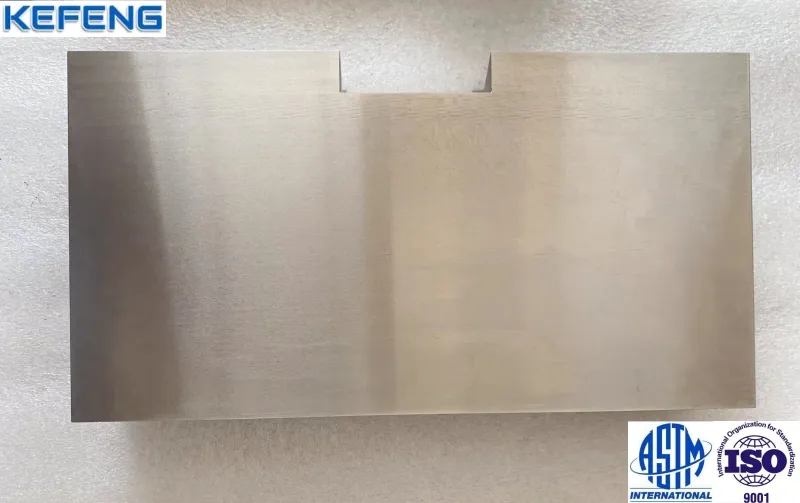
Our technology refractory metals and tungsten alloys guarantee superior performance for machined parts in aerospace, medical, and oil & gas industries. Tungsten alloy sheets and plates compliant with ASTM B777 and AMS-T-21014 are typically used for radiation shielding and targeting.
- Aircraft control surfaces
- Contact and electrode materials
- Automotive suspension systems
- High temperature furnace components
- Computer disk drives
- Heat sinks & Engine components
- EDM electrodes
- Golf club weights
- Helicopter rotor systems
- Racing manufacturing
- Ship ballasts
🛡️
Quality Assurance & Testing
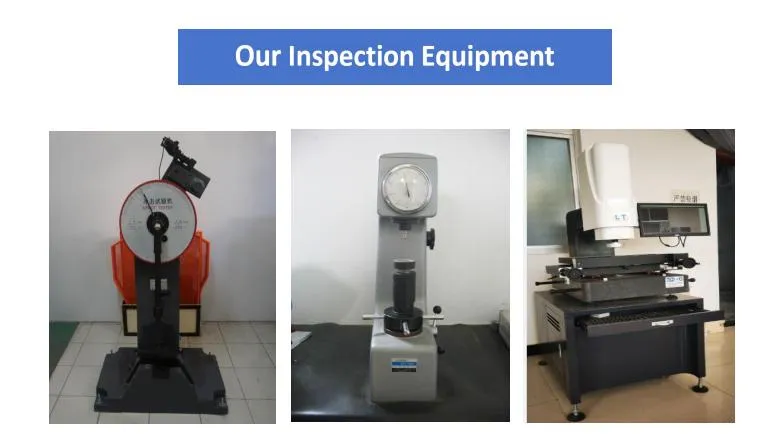
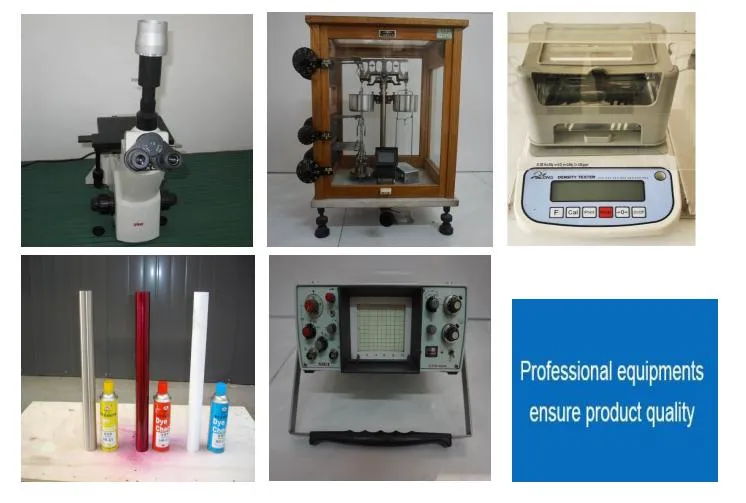
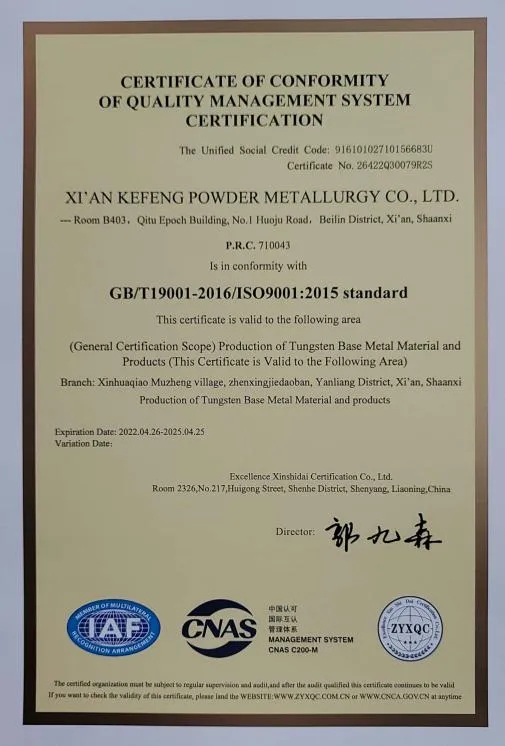
We provide comprehensive test reports including all relevant technical data for physical, material, and chemical properties for all finished products.
Frequently Asked Questions
What are the main advantages of Tungsten Heavy Alloy in aerospace?
The main advantages include high density for concentrated weight in small spaces (ballast), excellent radiation shielding, high thermal stability, and superior strength-to-volume ratio compared to lead or steel.
Does the material comply with international aerospace standards?
Yes, our tungsten heavy alloys comply with major industry standards including ASTM B777-15, AMS 7725, and AMS-T-21014.
Can parts be customized according to specific drawings?
Absolutely. We specialize in precision machining and can produce sheets, plates, foils, strips, and complex parts based on your specific technical drawings and requirements.
What kind of quality testing is performed on the alloys?
We perform rigorous testing for physical properties (density, hardness), mechanical properties (tensile strength, yield strength, elongation), and chemical composition, providing a full report with each order.
Is the material environmentally friendly?
Yes, our tungsten alloys are non-toxic and provide an environmentally friendly alternative to lead for radiation shielding and weighting applications.
What is the difference between WNiFe and WNiCu alloys?
WNiFe is the most common alloy used for general mechanical applications, while WNiCu is specifically used when non-magnetic properties are required.
 Clyde Golf