Product Description
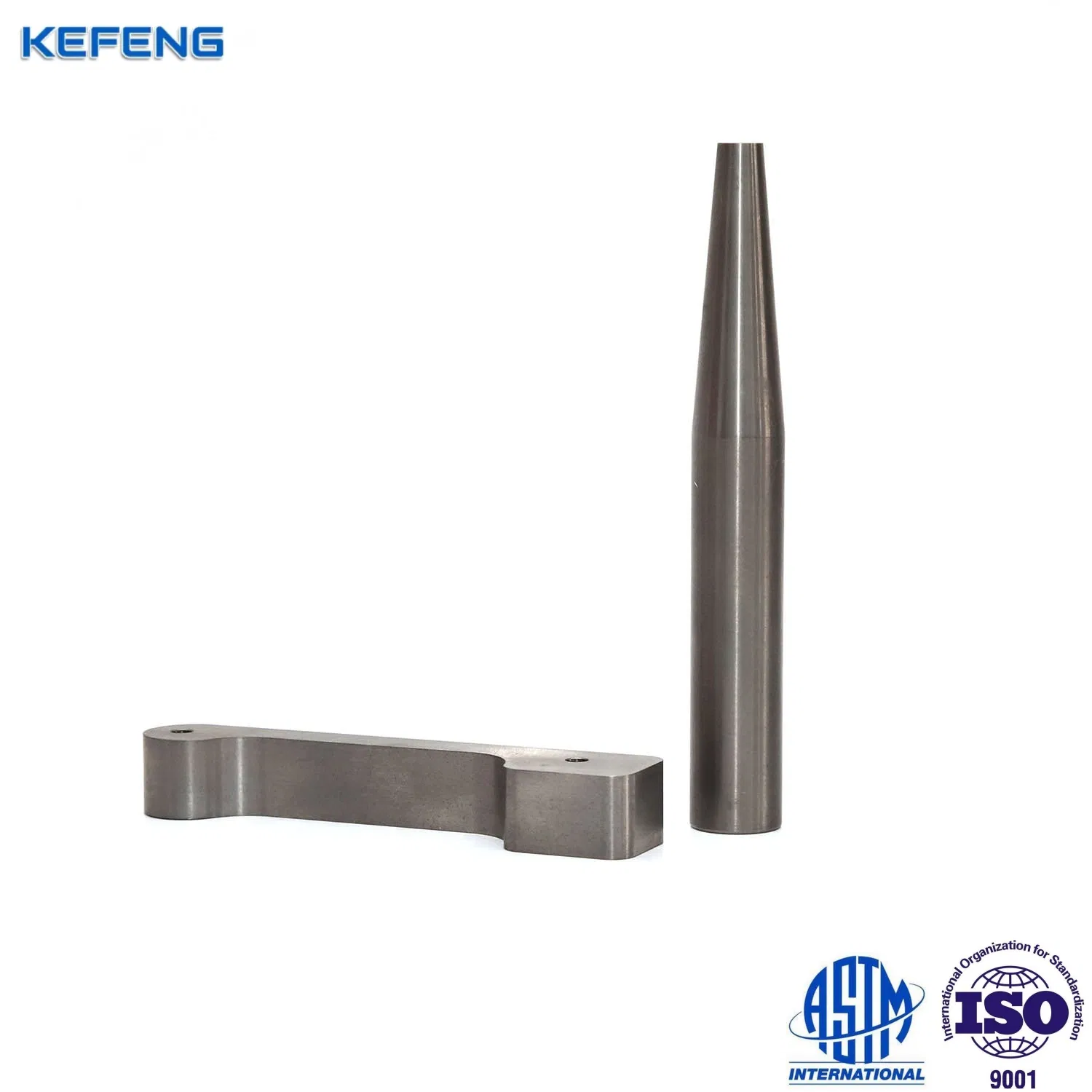
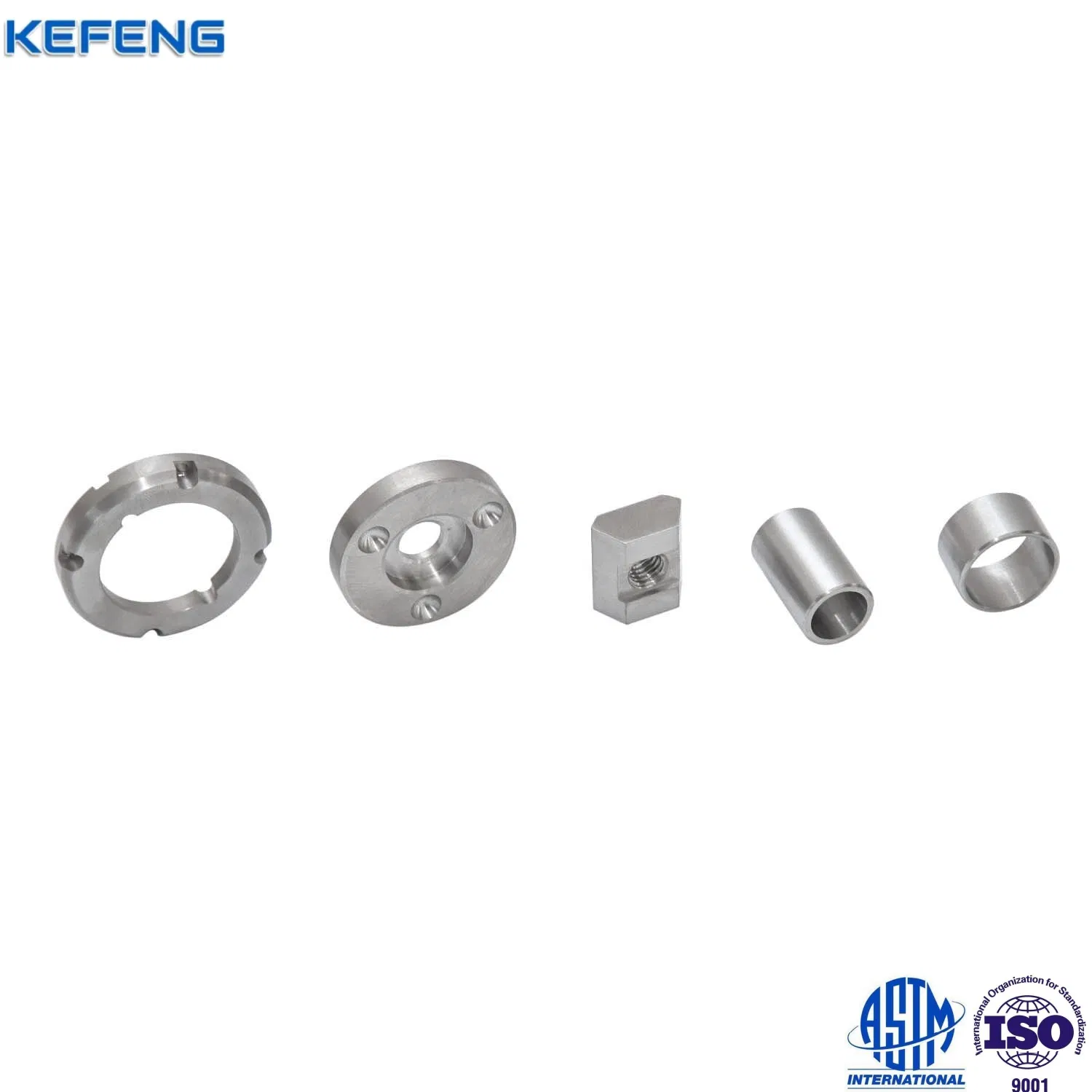
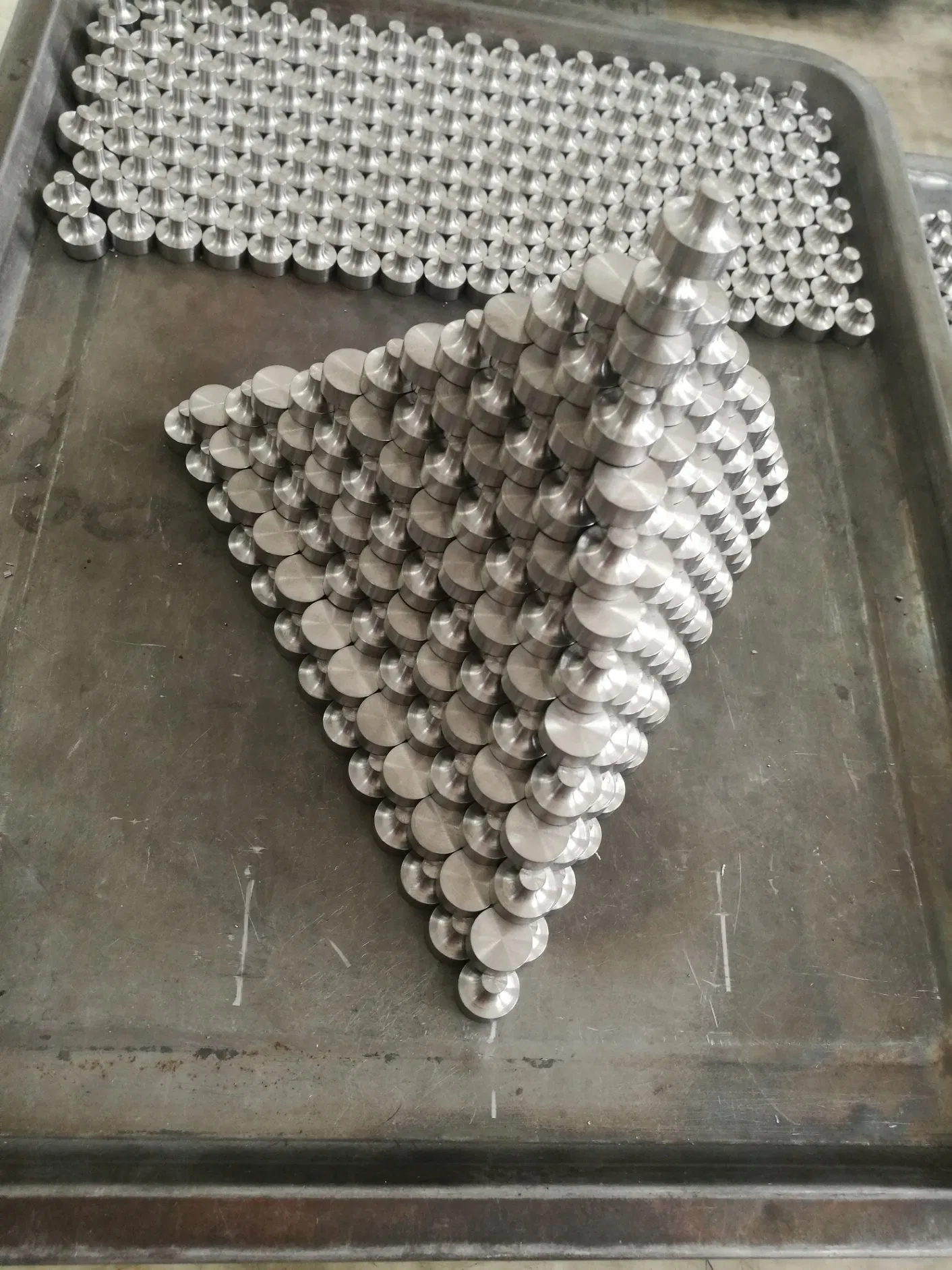
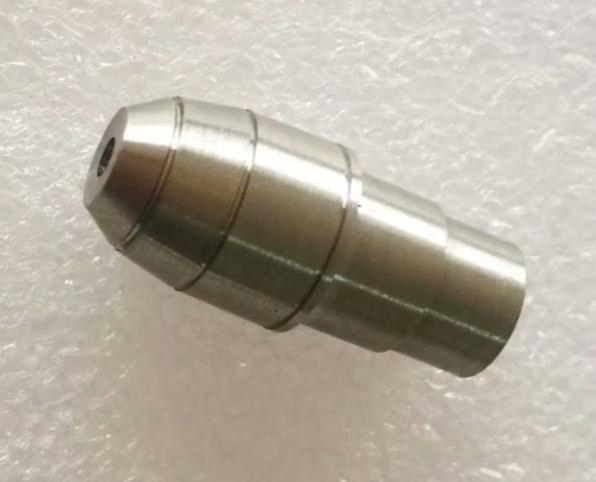
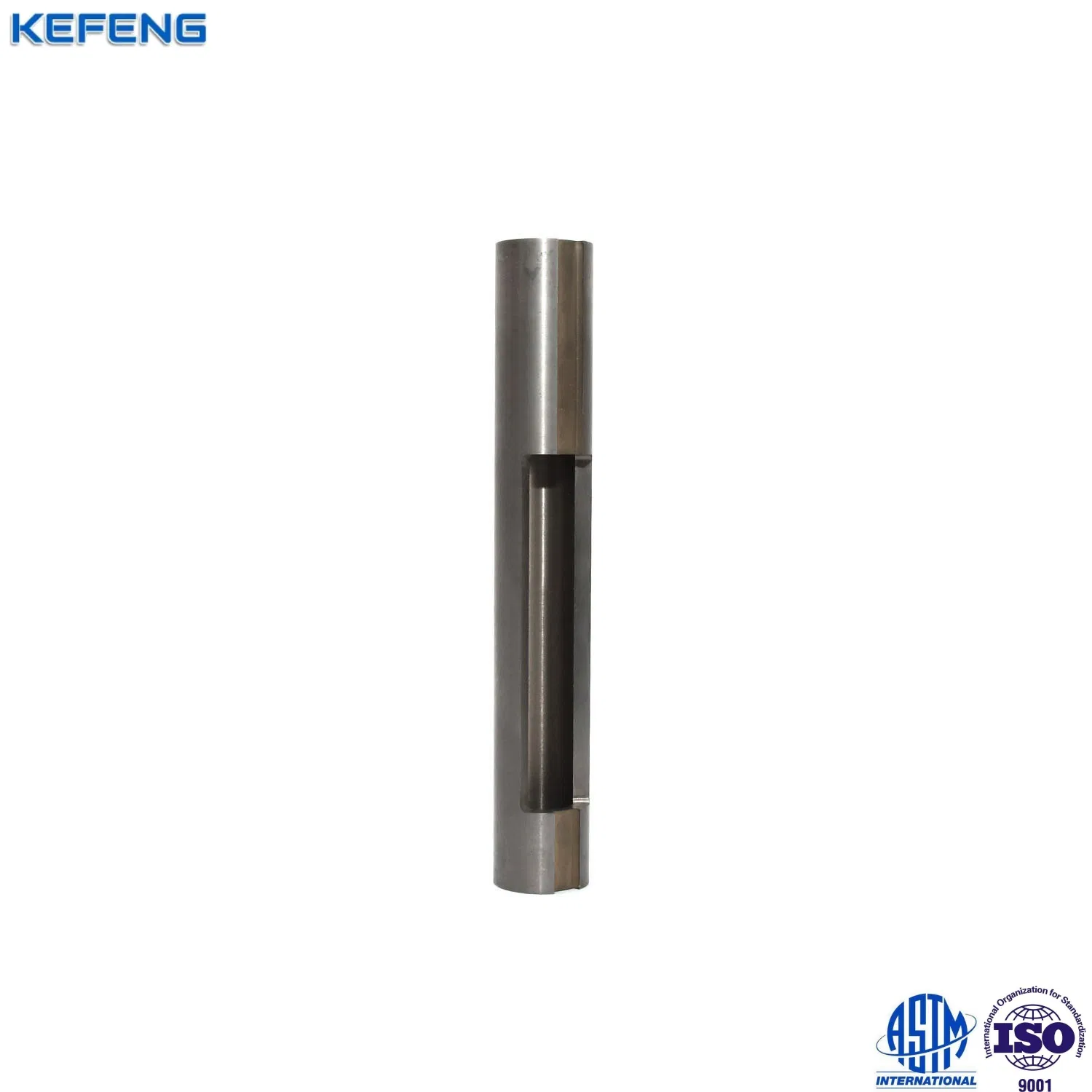
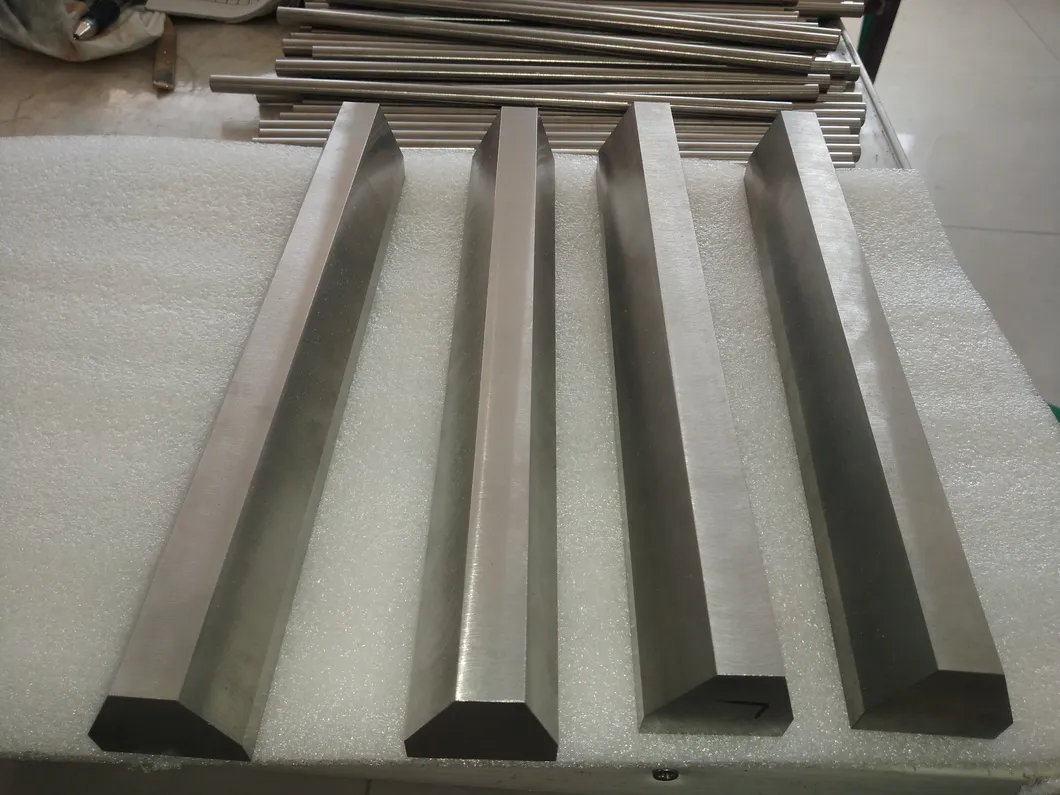
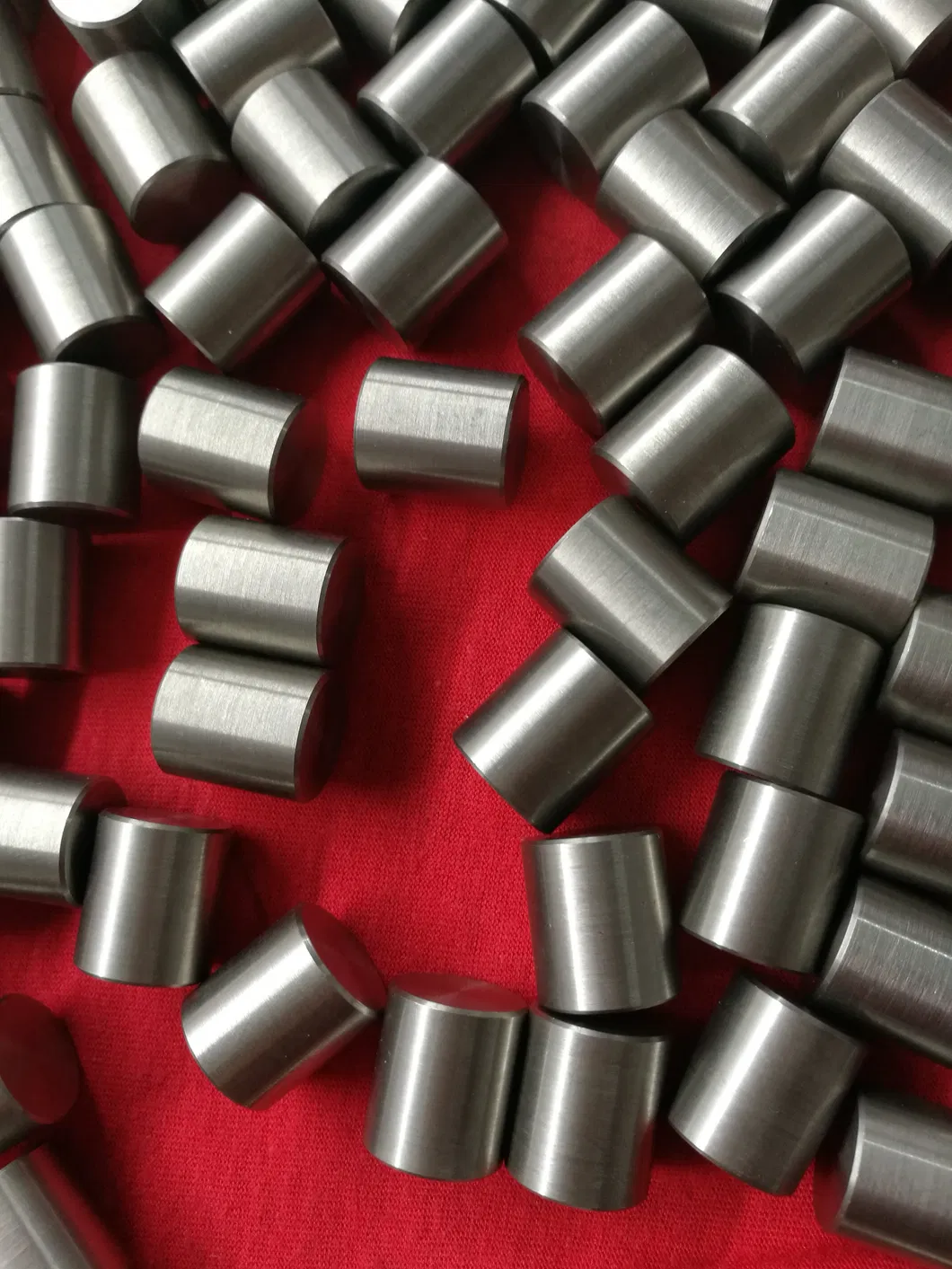
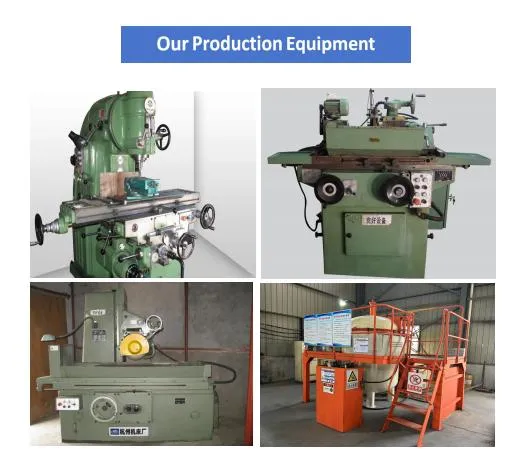
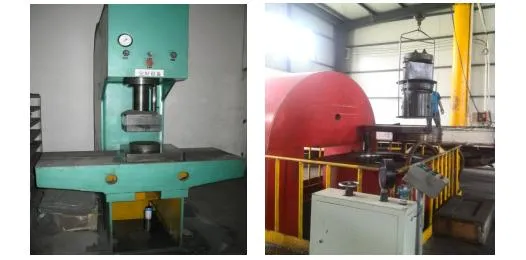
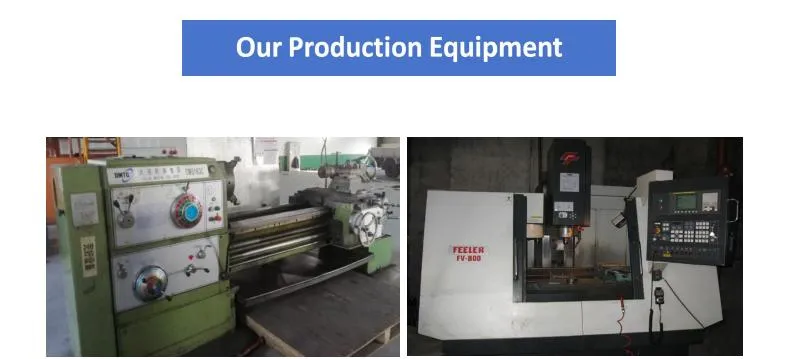
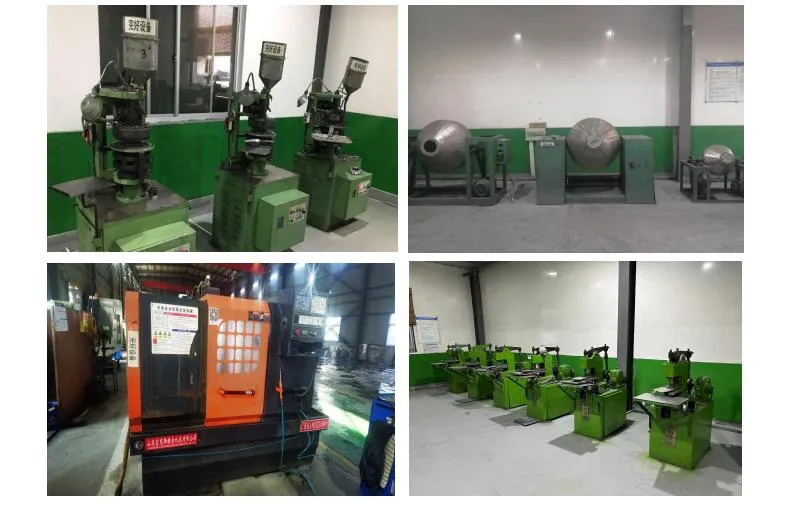
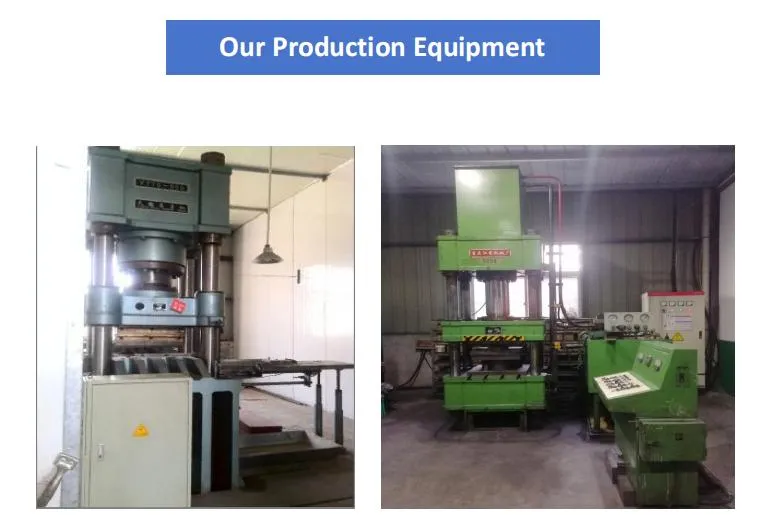
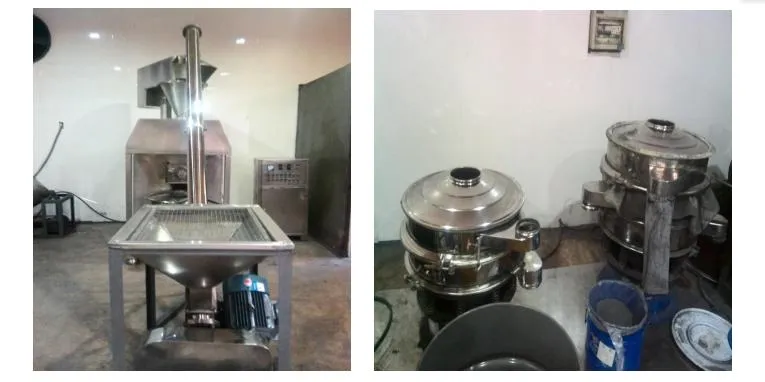
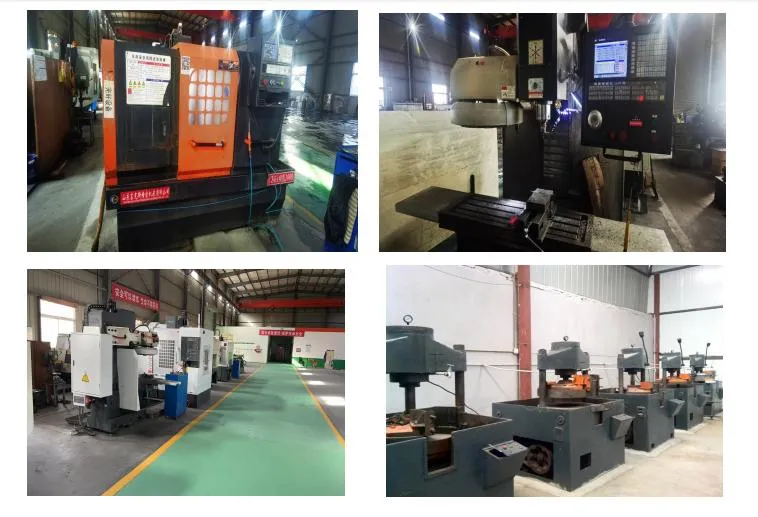
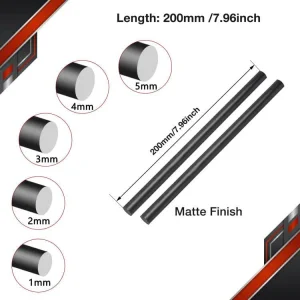
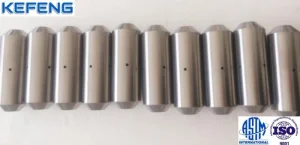
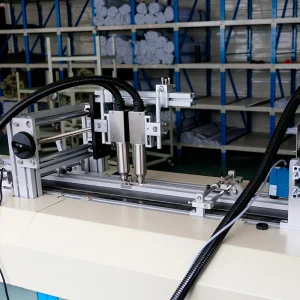
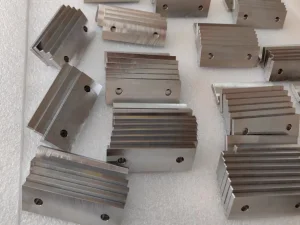
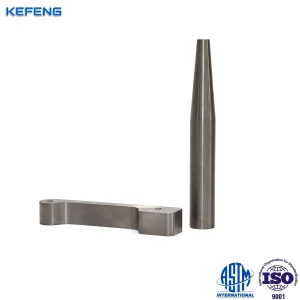
Supporting the aerospace and defense industries' mission-critical applications by providing Tungsten and Molybdenum products of high-end quality and reliability. We focus on high-performance molybdenum, TZM, and tungsten materials. The expertise covers the entire manufacturing process, from initial high purity metal powder production through advanced machining of pressing, sintering, turning, milling, waging, grinding, rolling, and precision fabrication.
Characteristics and Features
- High density and high melting point
- Excellent wear resistance and high hardness
- High ultimate tensile strength and good thermal stability
- Excellent radiation absorption capacity
- Easy processing, corrosion resistance, and good shock resistance
- Non-toxic and consistent with international environmental standards
Frequently Asked Questions
1. What is the typical tungsten purity in your alloy rods?
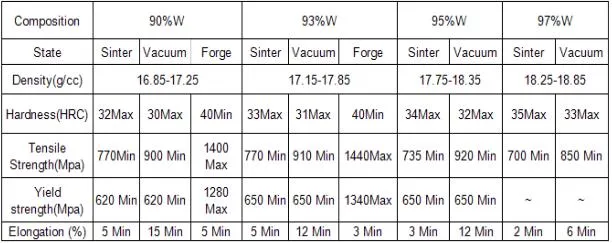
Our tungsten heavy alloy rods typically feature a high purity range of 90% to 97% tungsten, depending on the specific grade and application requirements.
2. Which international standards do these products meet?
The materials are manufactured to comply with industry-leading standards including ASTM B777, AMS-T-21014, and AMS7725 for aerospace and defense reliability.
3. What is the maximum density available for these alloys?
We offer four density classes, with Class 4 reaching a high density range of 18.25 to 18.85 g/cm³, ideal for maximum weight in minimal space.
4. Are these tungsten alloys environmentally friendly?
Yes, our tungsten heavy alloys are non-toxic and environmentally protected, often used to replace lead or uranium in various military and fishery applications.
5. Can the alloy rods be customized for specific dimensions?
Absolutely. While we provide standard sizes, we offer full precision machining capabilities including turning, milling, and grinding to meet customized specifications.
6. What are the common uses for WNiFe vs WNiCu alloys?
WNiFe is commonly used for general structural and shielding purposes, while WNiCu is preferred for applications requiring non-magnetic properties.
 Clyde Golf