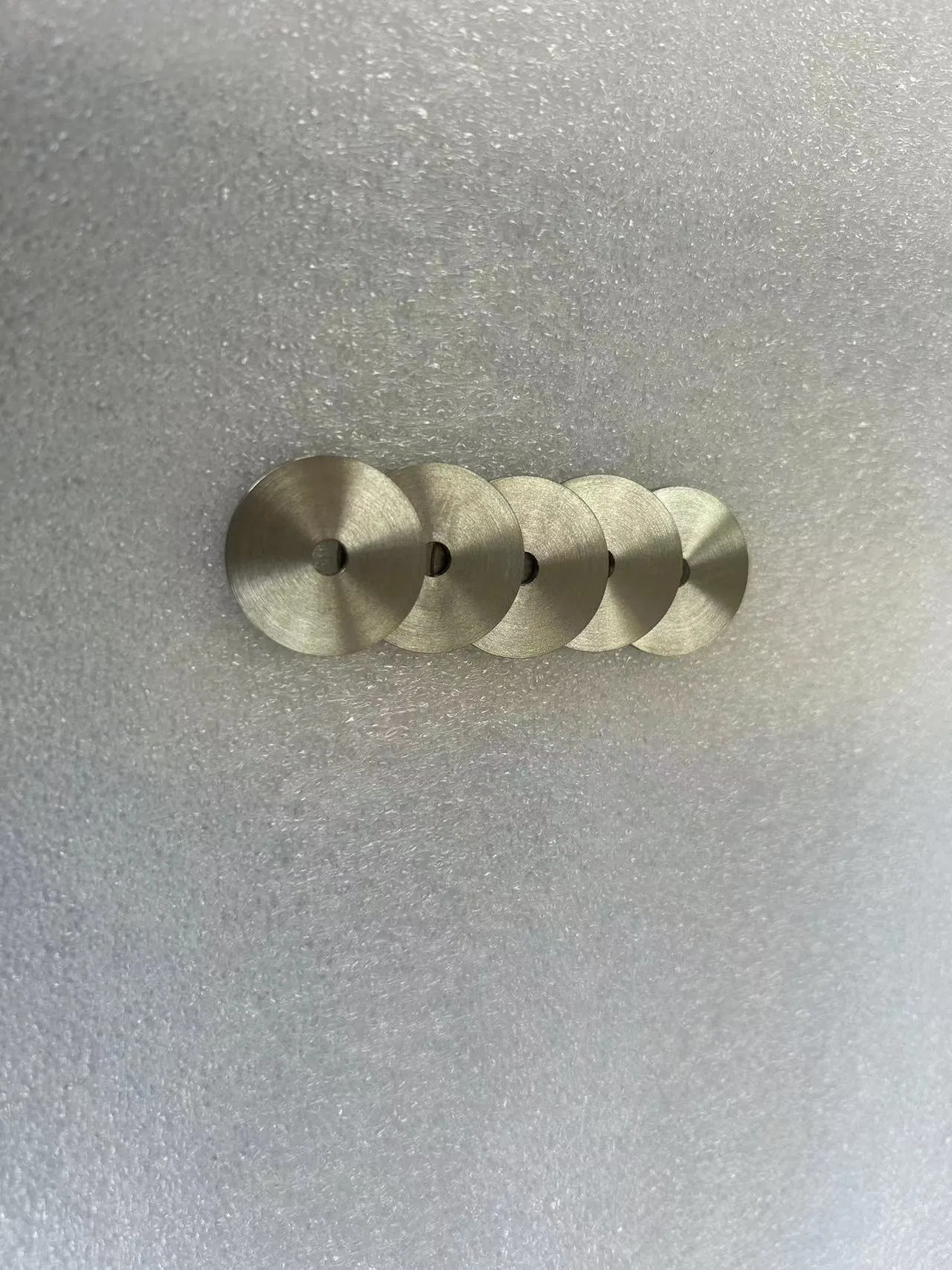
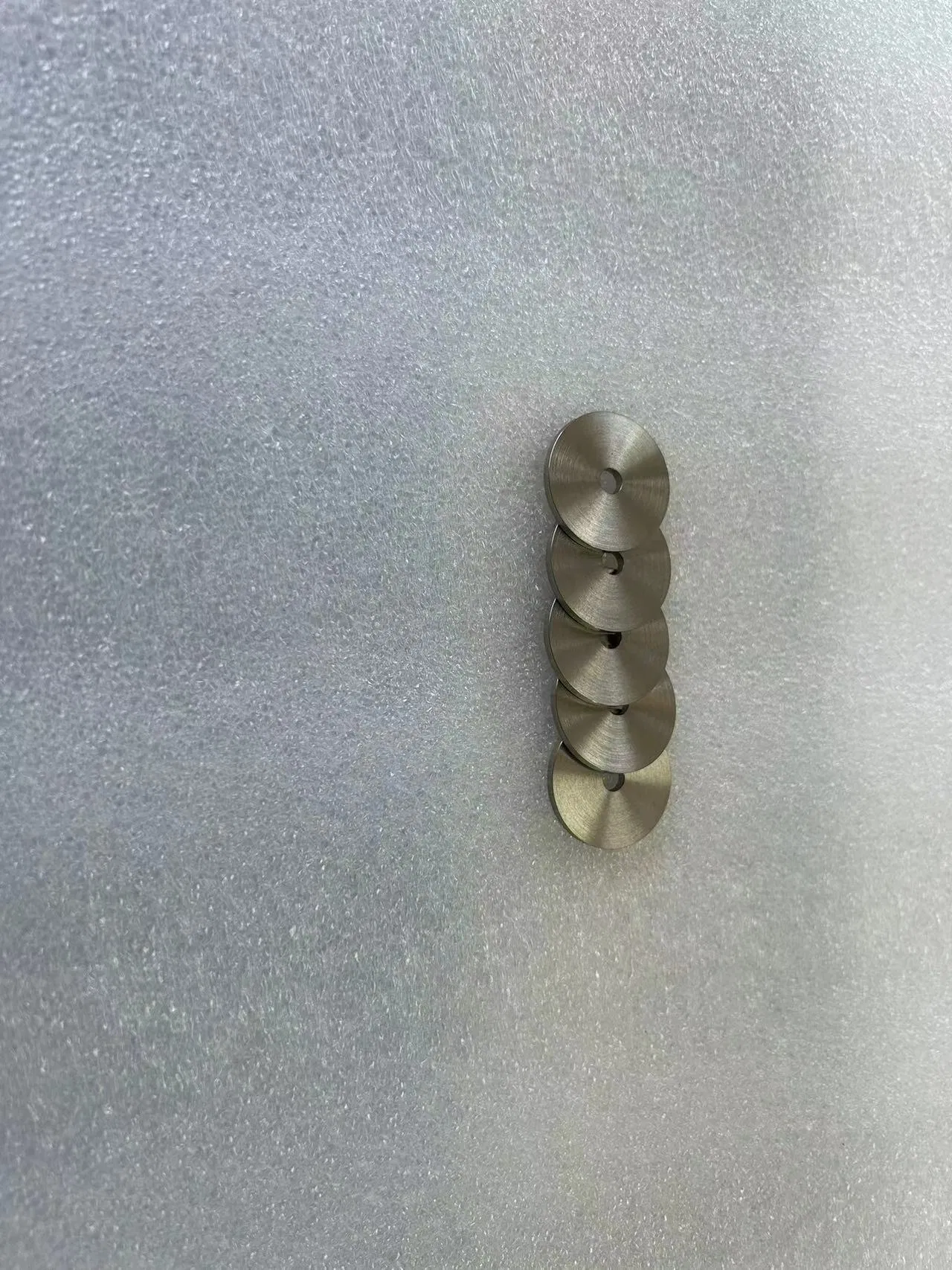
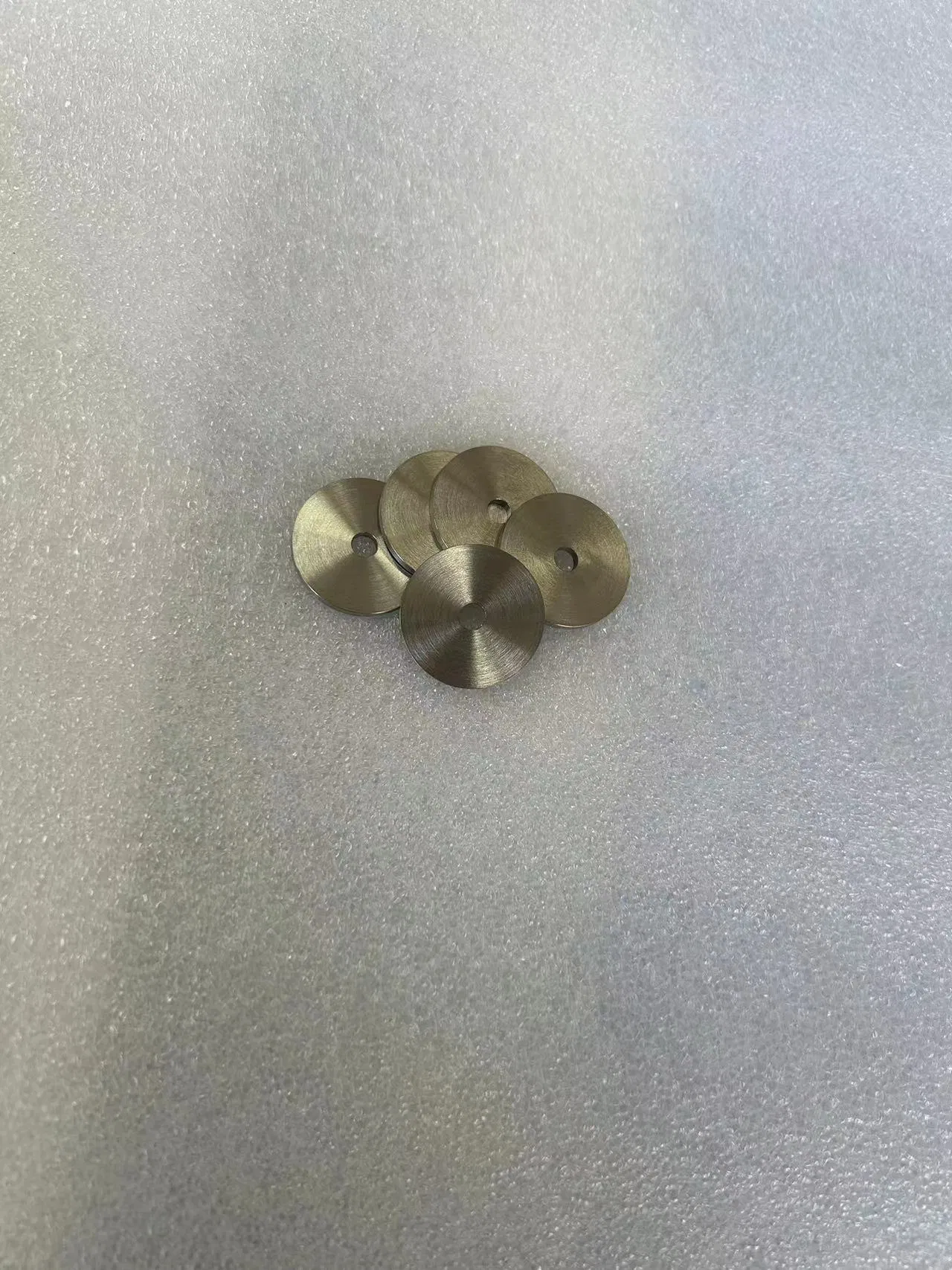
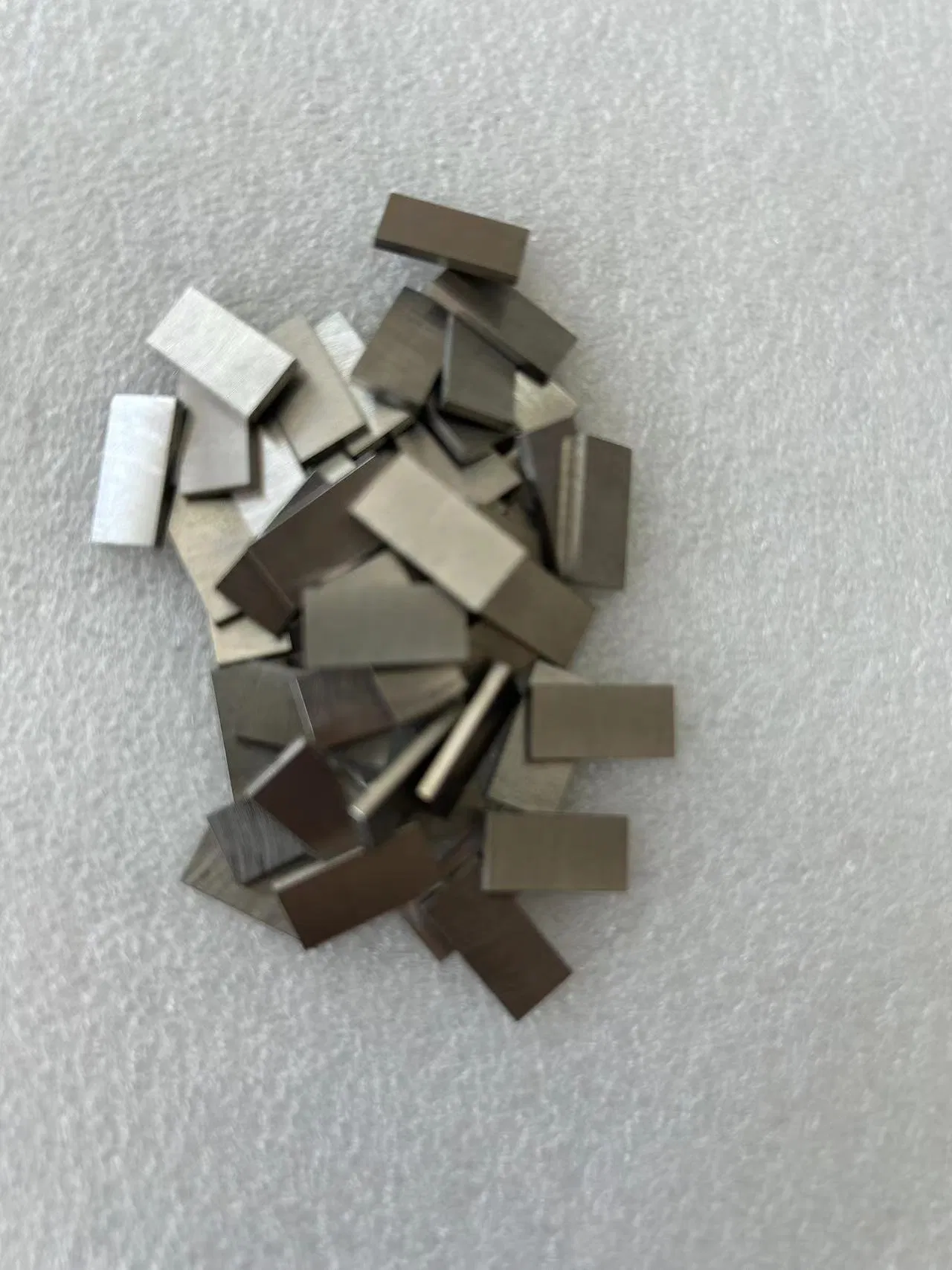
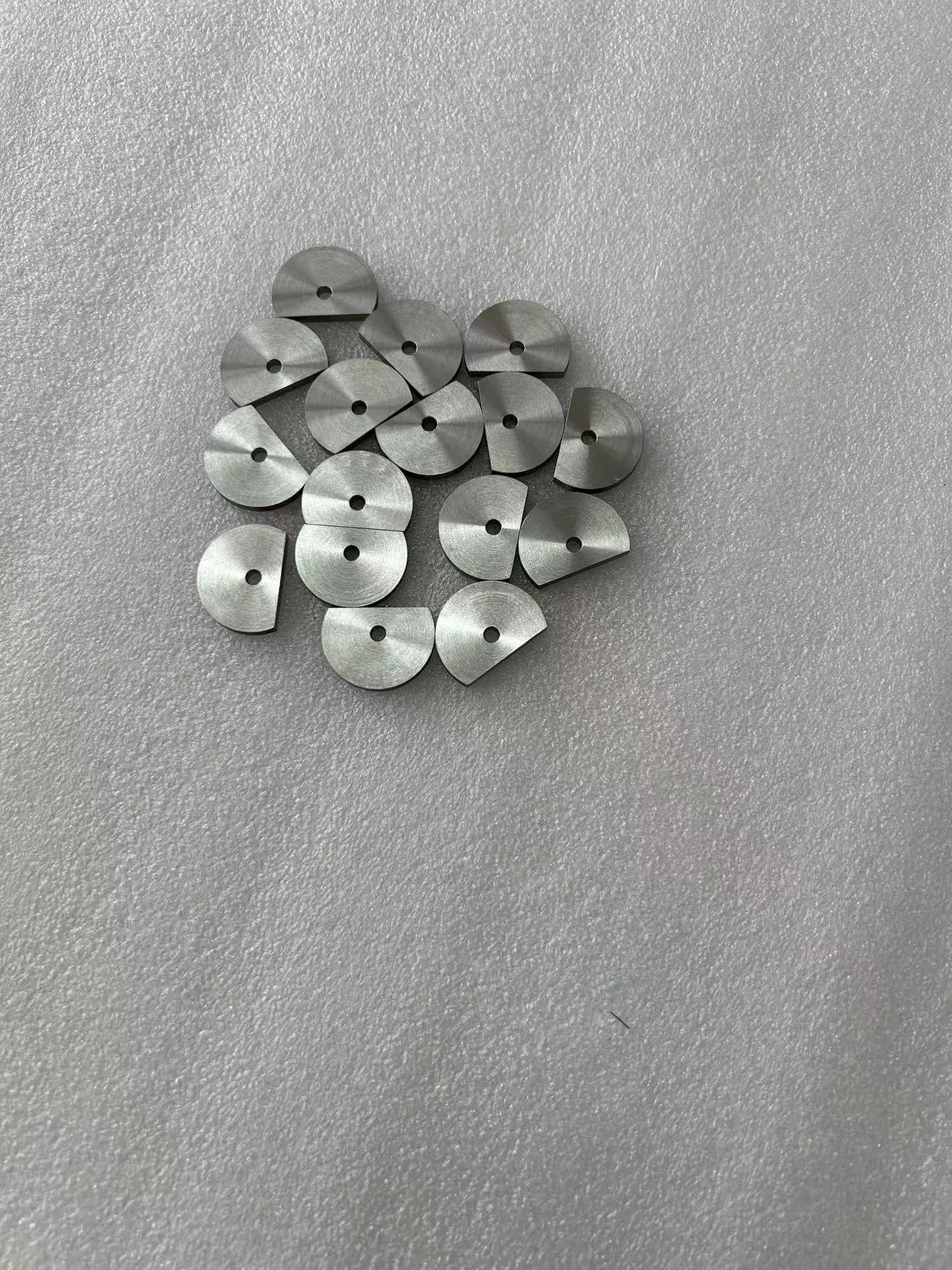
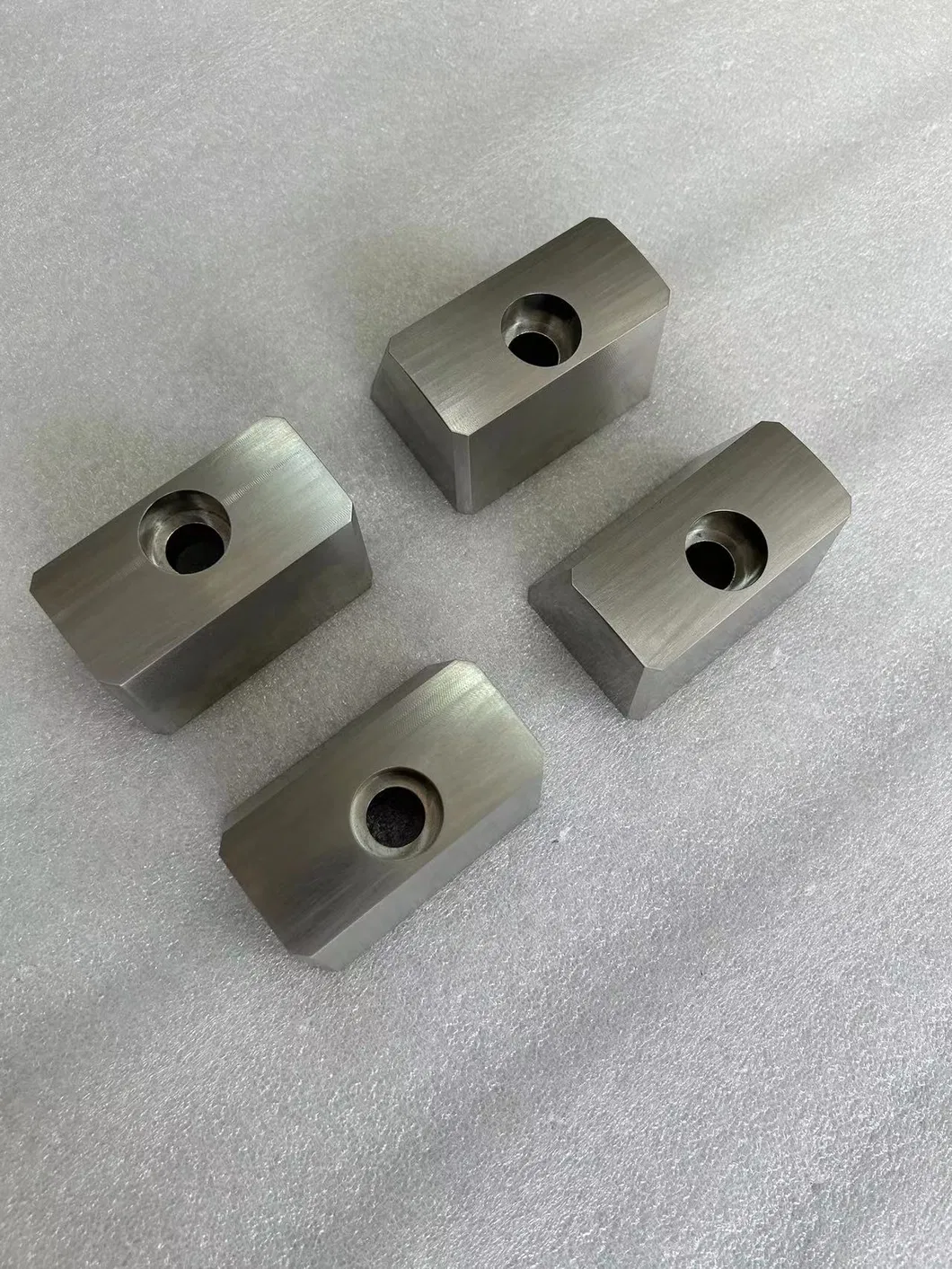
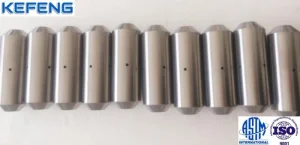
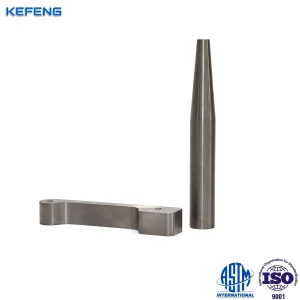
Wha Tungsten Pressed and Sintered Machined Parts Vibration Dampening Weights

Still deciding? Get samples of $ !
Request Sample

Product Description

🚀 Basic Information
Model NO.TW004Purity90%~97%
AlloyWnife Alloys or Wnicu AlloysShapeCustomized
TypePartsGrade90%-97%Wnife or 90%-97%Wnicu
Density G/Cc16.85~18.85StateSinter, Vacuum, Forge
Hardness HRC32 - 35Tensile Strength689MPa - 758MPa
Yield Strength515MPaElongation %2% - 5%
PropertyLow Coefficient of Thermal ExpansionOriginChina
Production Capacity5000kgs Per MonthHS Code81019990
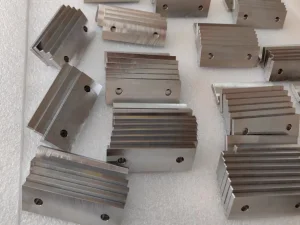
Tungsten Pressed and Sintered Machined Parts
📦 Product Description

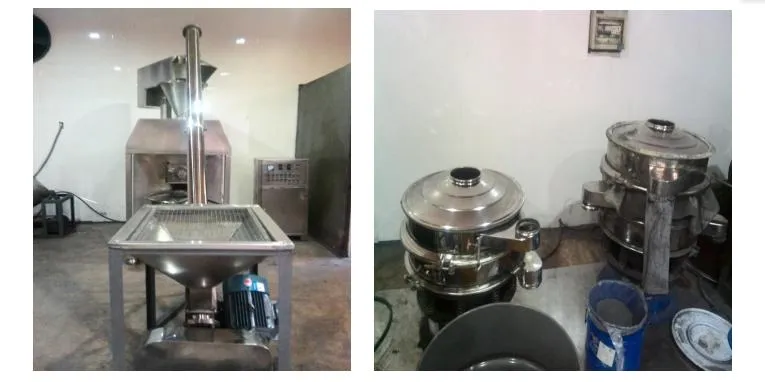
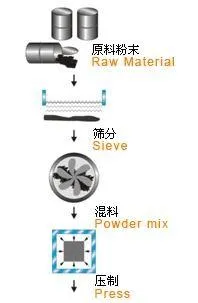
Refractory alloys such as tungsten heavy alloy WNiFe or WNiCu are manufactured by powder metallurgy techniques of pressing, sintering and infiltrating in a very high degree of uniformity, held in the fine-grained microstructure of the finished material.

Severe Application Ranges:
  • Balance weights
  • Radiation protection
  • Vibration absorbers
  • Heat transfer and drilling bars

All our tungsten heavy alloy products are in accordance with standards of MIL-T-21014, ASTM B777 and AMS 7725. These alloys can be delivered as semi-finished or finished machined components according to drawings.

⚙️ Characteristics & Features

The heavy tungsten alloy material possess the highest melting point of all metals and is suitable for very high-temperature applications. It is characterized by a uniquely low coefficient of thermal expansion and a very high level of dimensional stability.
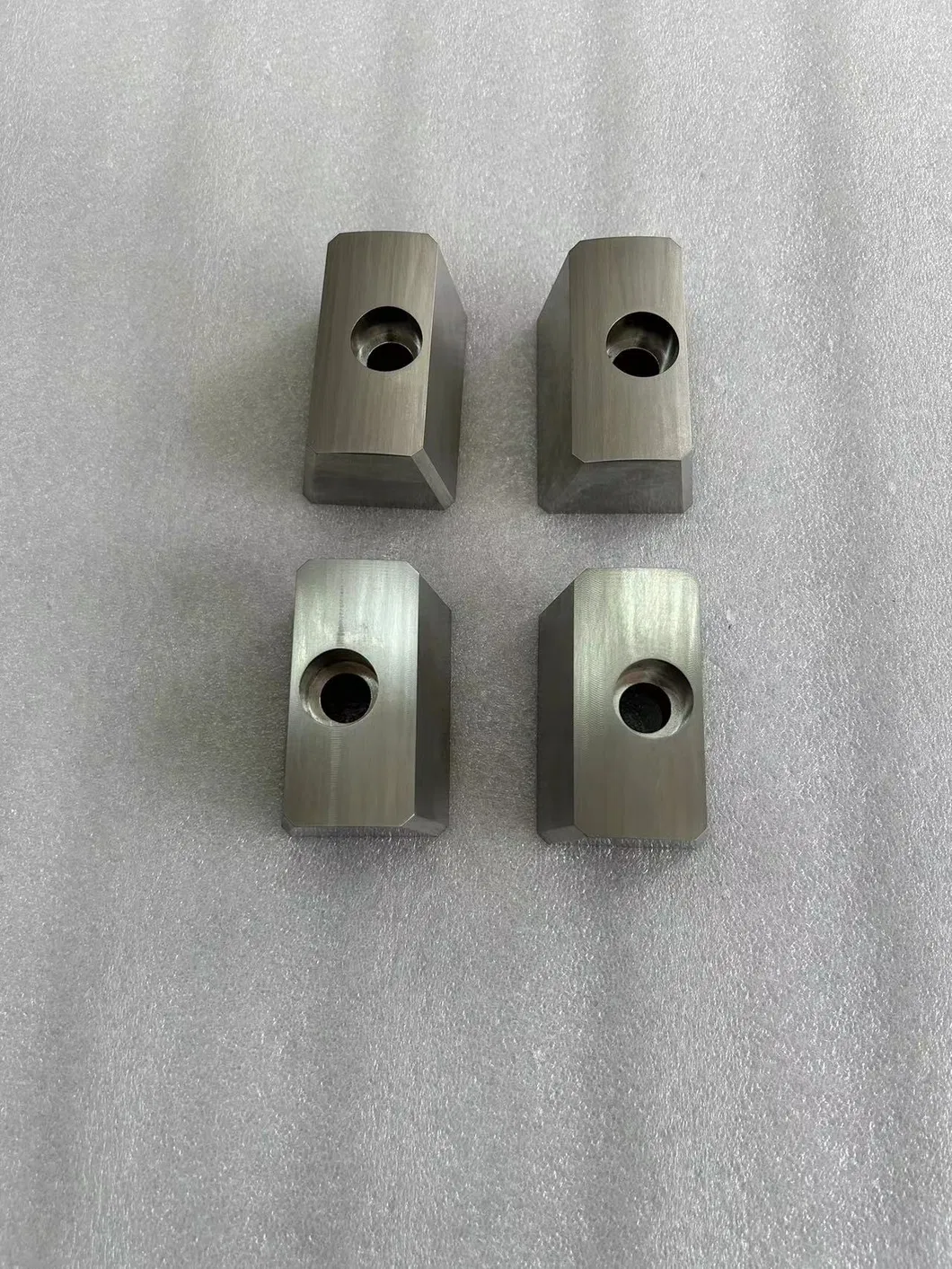
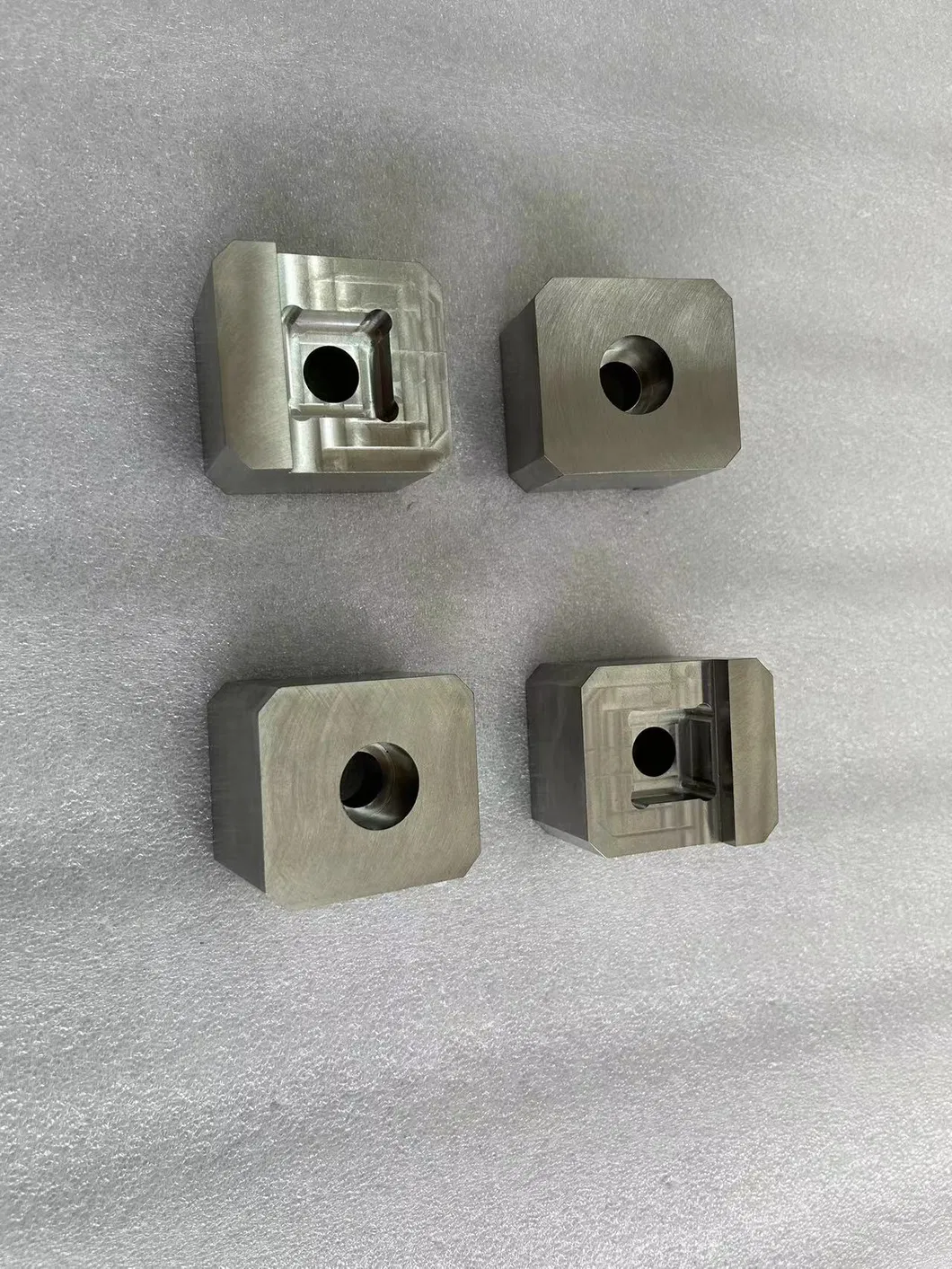
Vibration Dampening Weights
🛠️ Key Applications

WHA Tungsten Pressed And Sintered Machined Parts greatly reduce the physical size of assemblies, making it easier to control weight distribution and increasing the sensitivity of control mechanisms.
  • Aerospace: Gyroscopes, propellers, helicopter blades, and avionics.
  • Automotive: Crankshaft and chassis counterweights for racing cars.
  • Medical & Industrial: Radiation shielding, containers for radioactive isotopes.
  • Sporting: Tungsten alloy darts and golf clubs.
  • High Precision: Microscopes, measuring instruments, and semiconductor detectors.
📸 Detailed Photos
Detailed View 1
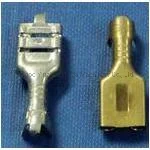
Detailed View 2
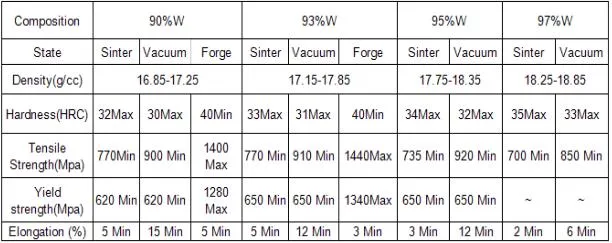
📊 Technical Parameters
Tungsten Heavy Alloy WNiFe (ASTM B777, AMS-T-21014) WNiCu (ASTM B777, AMS-T-21014)
Designation 90W93W95W97W 90W93W95W
Density (g/cm³) 16.85-17.317.15-17.817.75-18.318.25-18.8 16.85-17.317.15-17.817.75-18.3
Tensile Strength (MPa) 758 Min758 Min724 Min689 Min 648 Min648 Min648 Min
Hardness (HRC) 32 Max33 Max34 Max35 Max 32 Max33 Max34 Max
Technical Chart
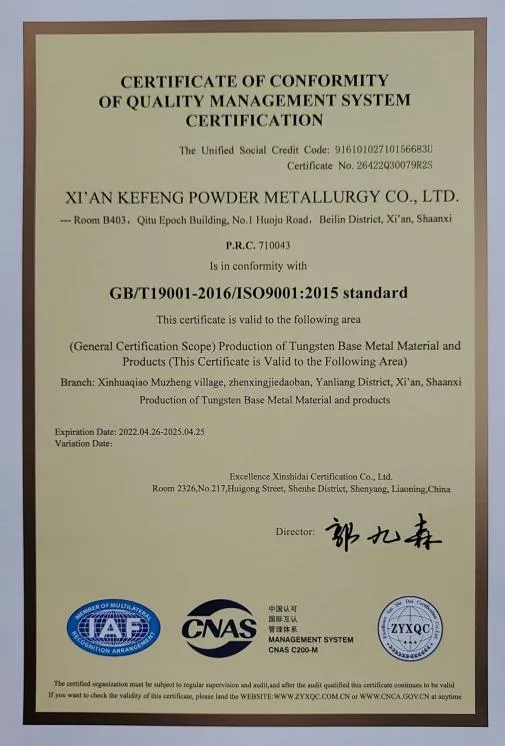
📜 Certifications
Cert 1
Cert 2
Cert 3
Cert 4
Cert 5
Cert 6
🚢 Packaging & Shipping
Package 1
Package 2
Package 3
🛡️ Quality Assurance & Service
  • Professional team focused on customer requirements.
  • Complex engineering solutions across multiple sectors.
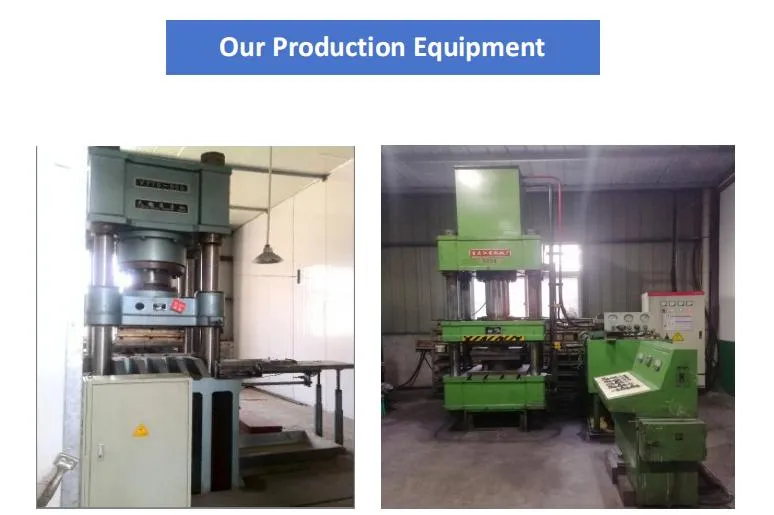
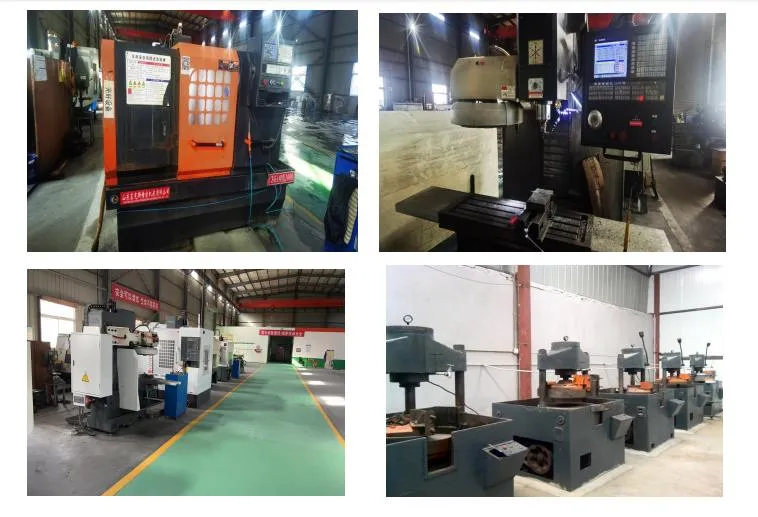
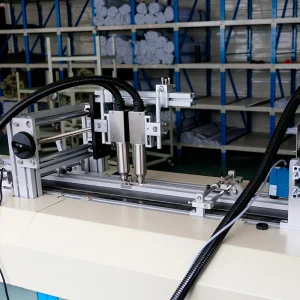
  • Precision engineering including CNC machining and injection moulding.
  • Fast, reliable, and high-quality manufacturing aids.
❓ FAQ
1. What are the main benefits of using Tungsten Heavy Alloys?
Tungsten heavy alloys offer high density, exceptional radiation shielding, a high melting point, and a low coefficient of thermal expansion, making them ideal for aerospace and industrial balancing.
2. Can parts be customized to specific drawings?
Yes, we provide full CNC machining services to produce finished components based on your specific technical drawings and requirements.
3. What international standards do your products comply with?
Our tungsten products meet strict industry standards, including ASTM B777, MIL-T-21014, and AMS 7725.
4. Which alloy is better: WNiFe or WNiCu?
WNiFe is commonly used for its high strength and magnetism, while WNiCu is preferred for non-magnetic applications like electronic sensors.
5. How is the product protected during shipping?
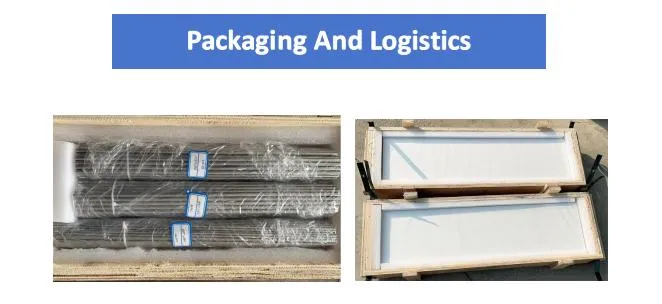
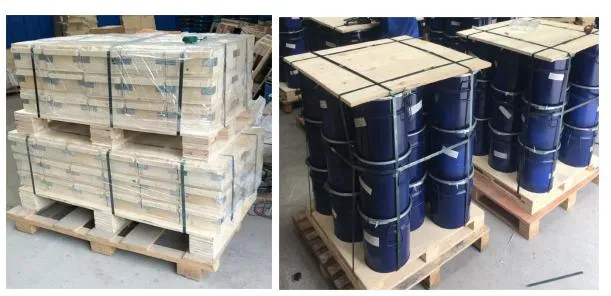
Products are packed using interior foams and secure export wooden cases to ensure safe delivery and prevent damage during transit.
6. What is the typical density range for these parts?
The density typically ranges from 16.85 g/cc to 18.85 g/cc, depending on the specific tungsten percentage (90% to 97%).

Related Products